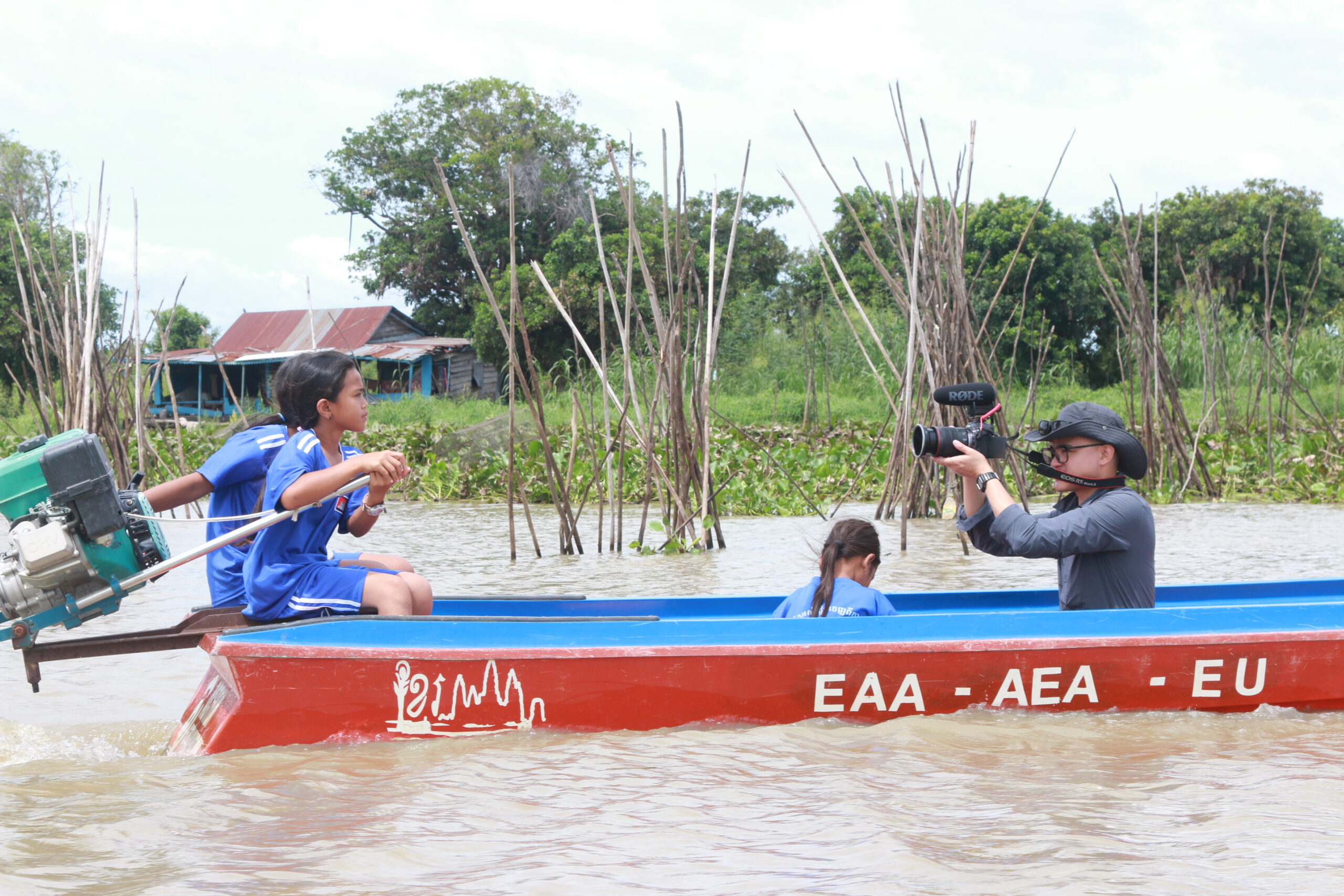

Through photos, interviews and videos, Cambodia’s remote floating communities on the Tonle Sap Lake have gained international attention as the world takes a closer look at how climate change and rising costs are affecting children’s access to education.
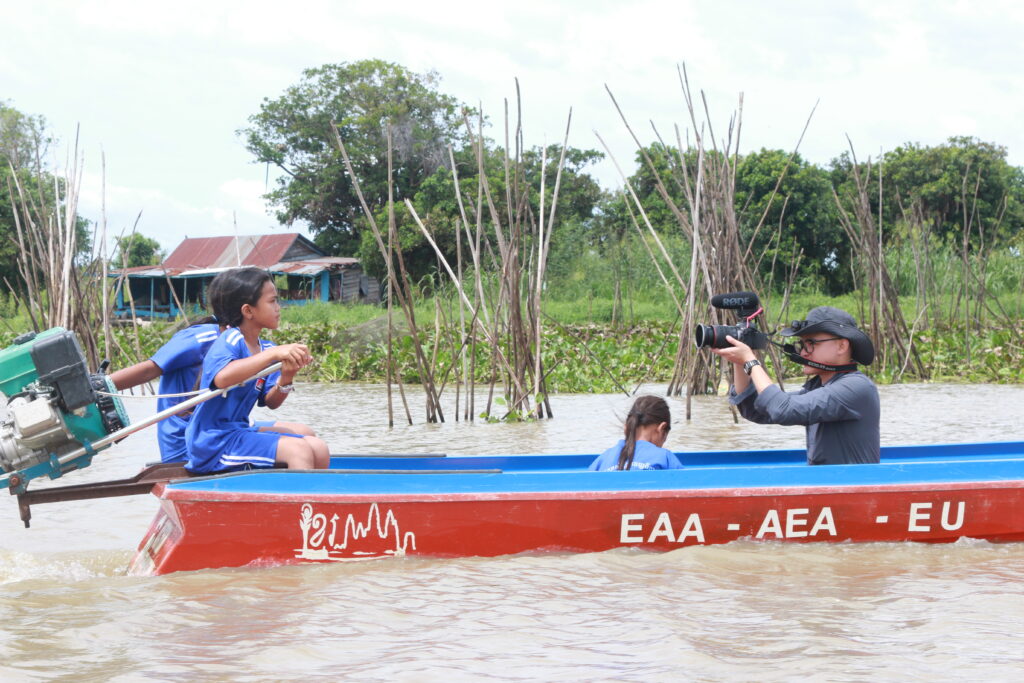
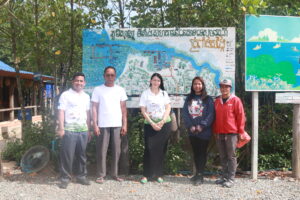
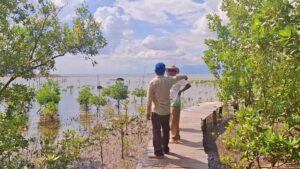
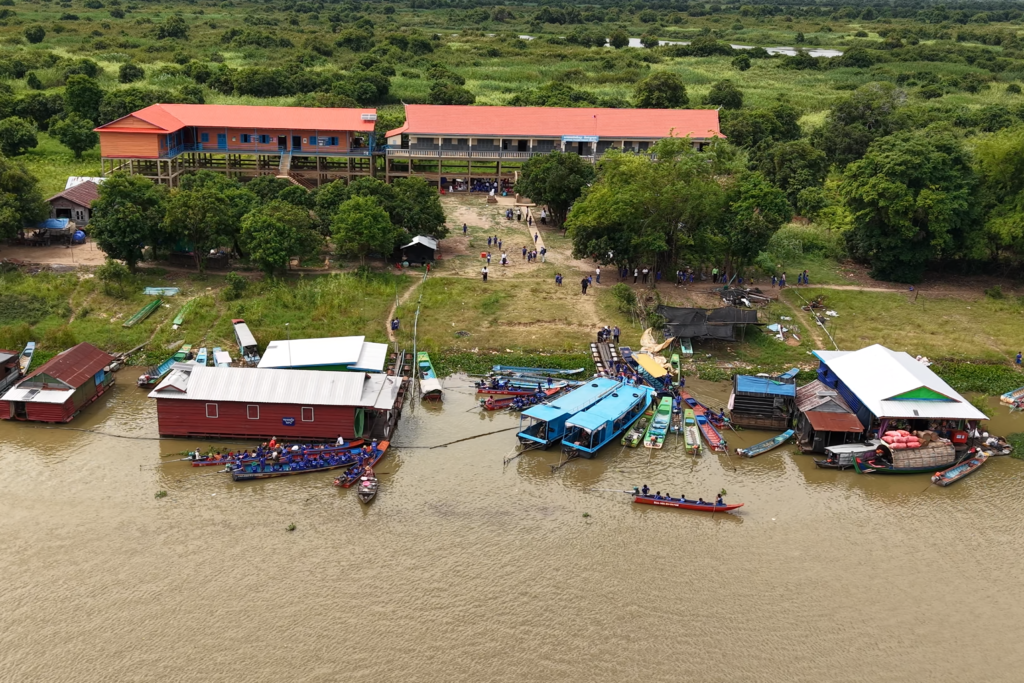
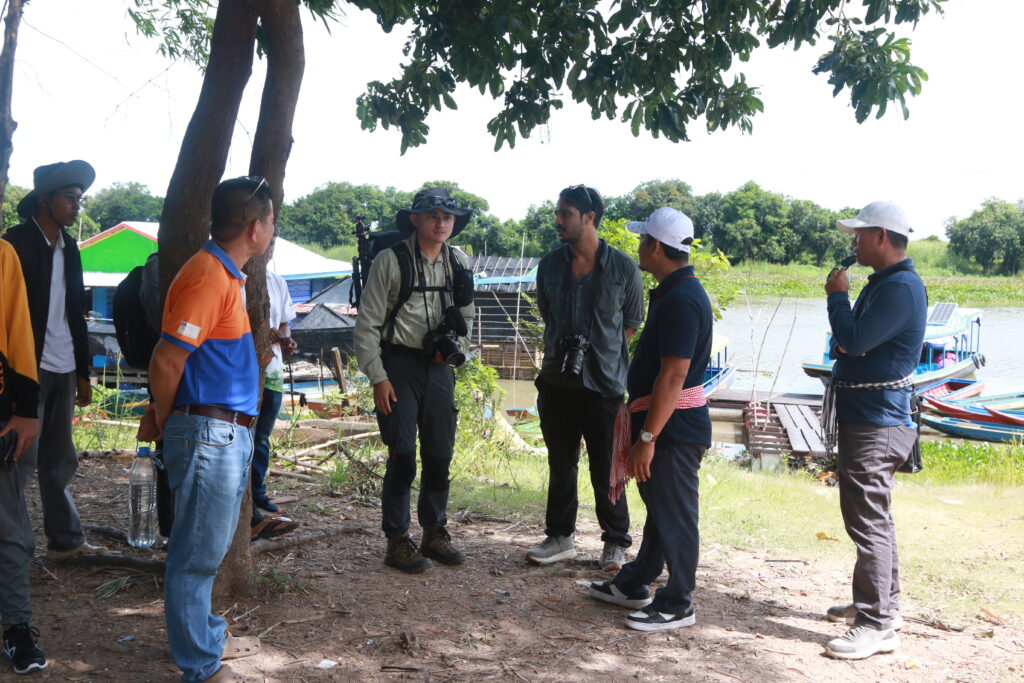
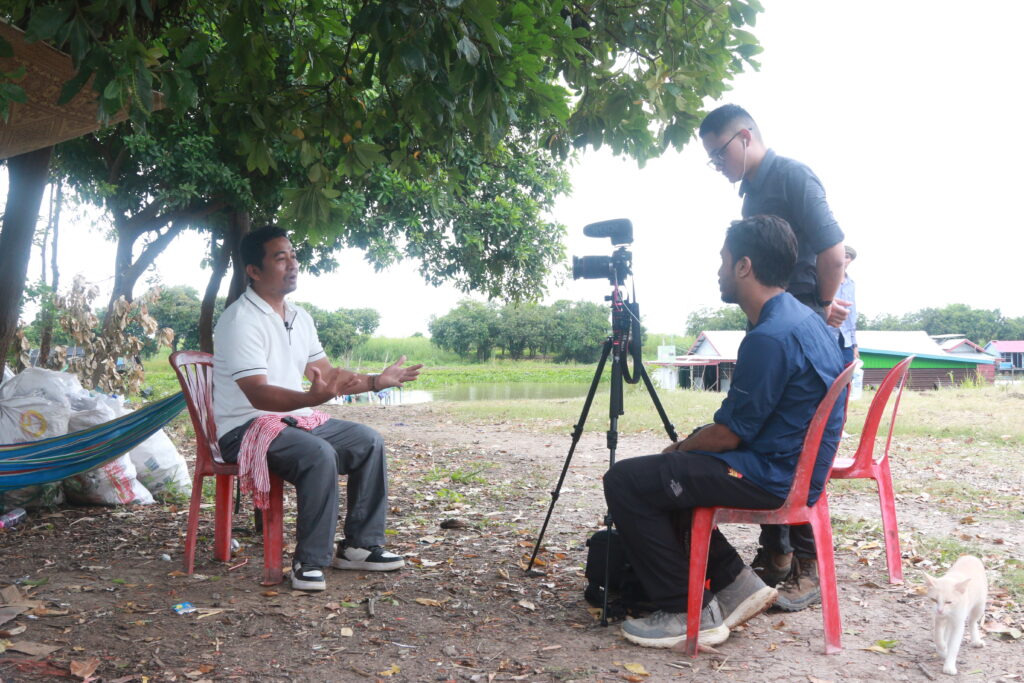
In June 2026, a national and international media team visited Cambodia to spotlight innovative education solutions reaching some of the country’s most remote and climate-vulnerable communities. The visit focused particularly on floating communities, Kampong Prahok village, around the Tonle Sap Lake, where schools and families face a unique combination of environmental, economic and geographical challenges.
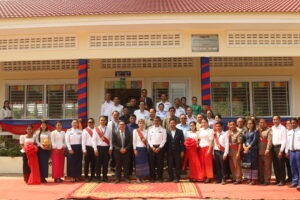
The media visit was facilitated by Action Education in Cambodia, and one of its major partners, Education Above All Foundation’s Educate A Child programme, as part of their joint advocacy for the right to education for every child. The visit provided an opportunity to bring the realities of children living and learning on the water to a wider national and international audience.
The Tonle Sap: Where Education Meets Climate Vulnerability
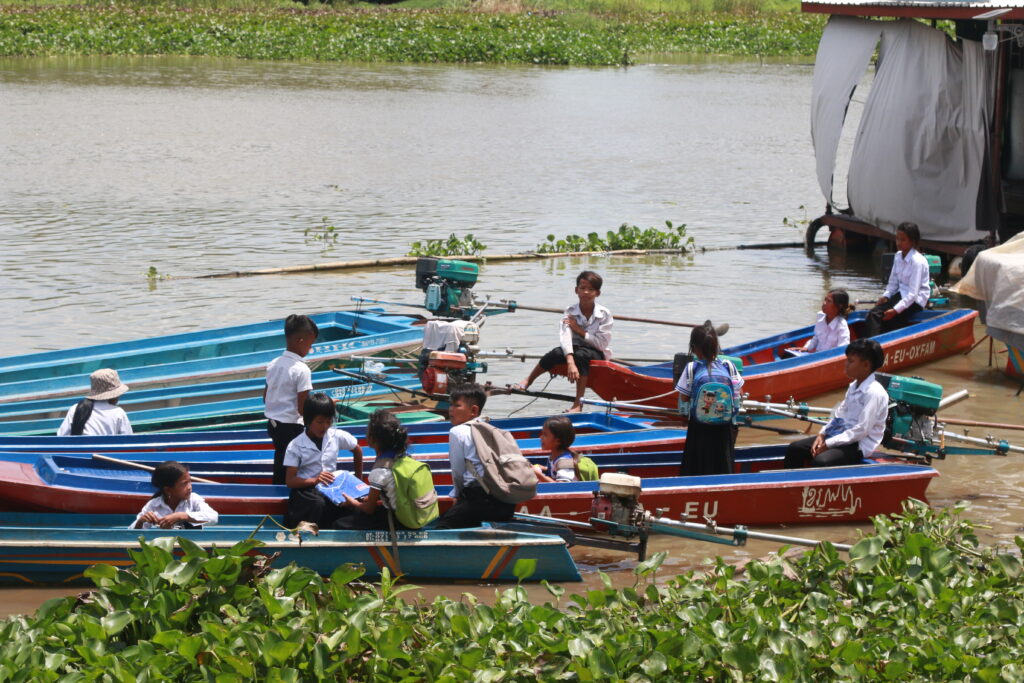
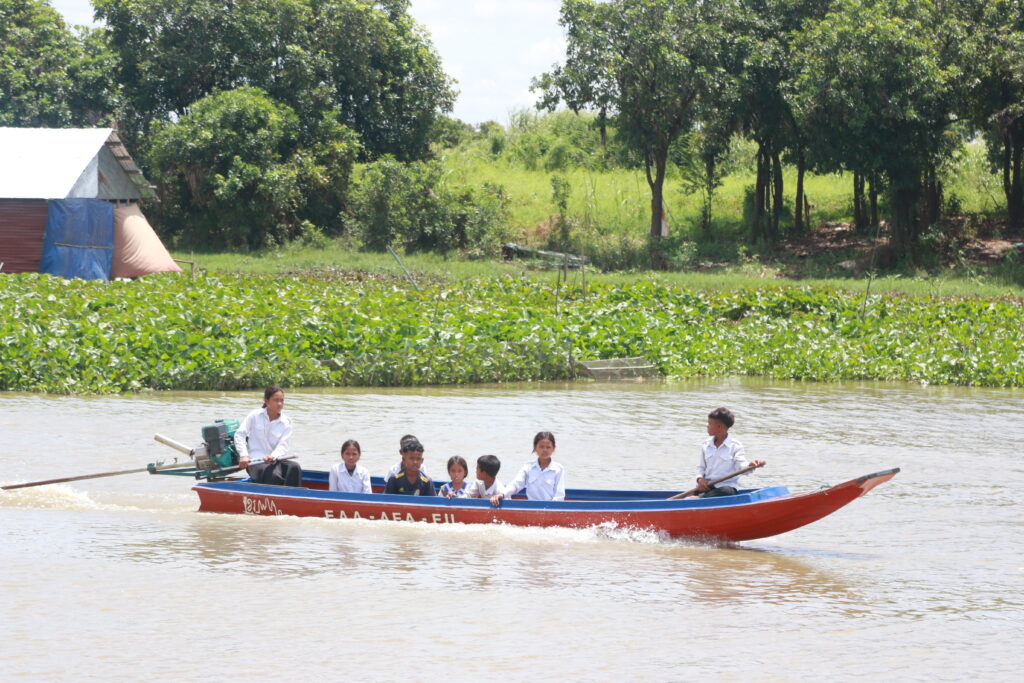
For children living in Cambodia’s floating communities, going to school can mean travelling by boat, sometimes across challenging waterways and changing conditions. Schools themselves must adapt to an environment where seasonal flooding, changing water conditions and increasing costs can make the delivery of education more difficult.
Action Education and its partners have developed practical solutions designed around the realities of these communities. These include mobile and floating libraries, learning materials, school boats, digital learning equipment and other initiatives designed to help children remain connected to education.
The organisation has previously supported 100 school boats, and more than 10 school libraries across the Tonle Sap region, including mobile libraries and a boat library, through the Cambodia Consortium for Out-of-School Children (CCOSC), in partnership with Education Above All’s Educate A Child programme.
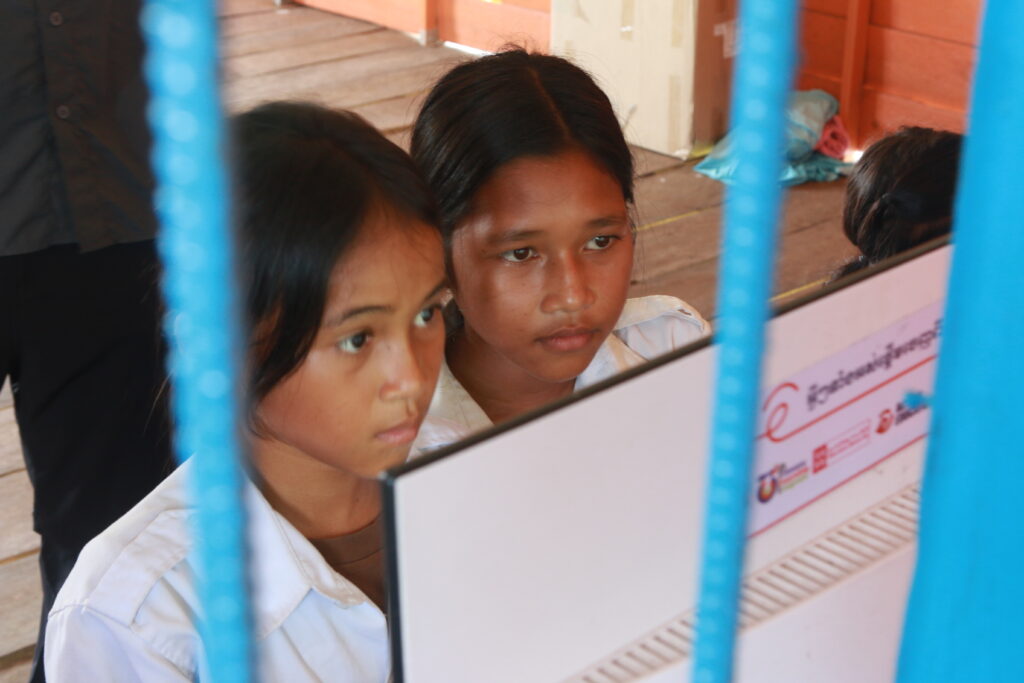
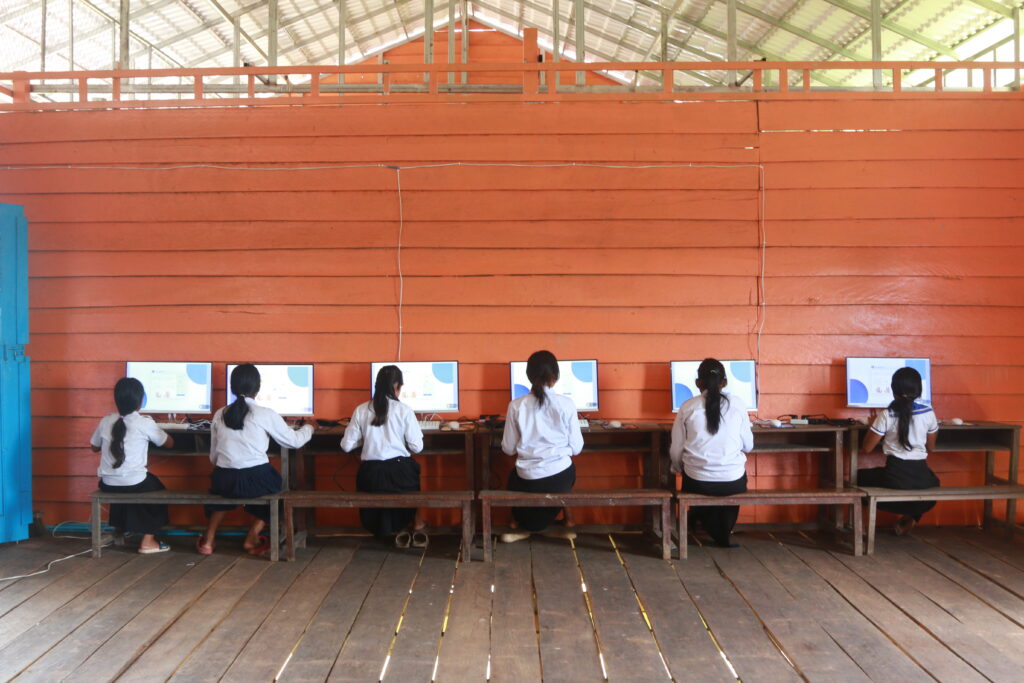
More recently, digital learning initiatives have also brought computers and tablets to floating schools, helping children in remote communities gain access to learning opportunities that are increasingly important in a changing world.
Associated Press (AP) Brings the Story to a Global Audience
The impact of the media visit was highlighted when Associated Press (AP) published a major feature on 17 August 2026, examining how global economic pressures, including rising energy and fuel costs, can threaten education for vulnerable children.
The AP report, titled “Iran war risks the education of already vulnerable children,” placed Cambodia’s floating schools within a broader global story about the pressures facing education systems. AP also published a dedicated photo gallery, “Photos show Cambodian children attend school in floating villages along the Tonle Sap lake,” bringing powerful visual attention to children learning in Cambodia’s floating communities.
The coverage demonstrates the power of multimedia storytelling. Through photographs, interviews and video, the realities of education on the Tonle Sap were presented not simply as statistics, but as the daily experiences of children, teachers and communities.
The story has also travelled across AP’s digital and social media platforms, including AP News video and YouTube, helping bring the experiences of children and families on the Tonle Sap to a wider global audience.
Read the Associated Press feature published on 17 August 2026
View the Associated Press photo gallery
From National Communities to the International Stage
The story of children’s education on Cambodia’s Tonle Sap Lake is reaching audiences around the world.
The AP coverage has since been echoed and republished by major international media outlets, extending the visibility of Cambodia’s floating communities and the challenges affecting children’s access to education.
📰 International media coverage includes:
• ABC News – Republished AP photography and reporting on Cambodian children and rising fuel costs
• Al Jazeera – Photos: Rising energy prices disrupt education on Cambodia’s Tonle Sap Lake
• The Times of Israel – Coverage on families facing difficult choices between schooling and survival
• The New Indian Express – Reporting on the impact of rising fuel costs on education
• The Independent – AP coverage highlighting children’s access to school on the Tonle Sap
• Kayhan International – Reporting on the U.S.-led war on Iran has driven up fuel prices, risking poverty and school dropout for millions of children in Asia and Africa.
• The Canadian Press – Video coverage on the risks facing education in Cambodia
• Union-Bulletin, Caledonian Record, KDH News and other international outlets also carried AP’s reporting and photography.
The international coverage reinforces an important message: climate and economic pressures can deepen existing barriers to education, particularly for children living in remote communities. Reaching those furthest from education requires sustained investment, locally adapted solutions and strong partnerships.
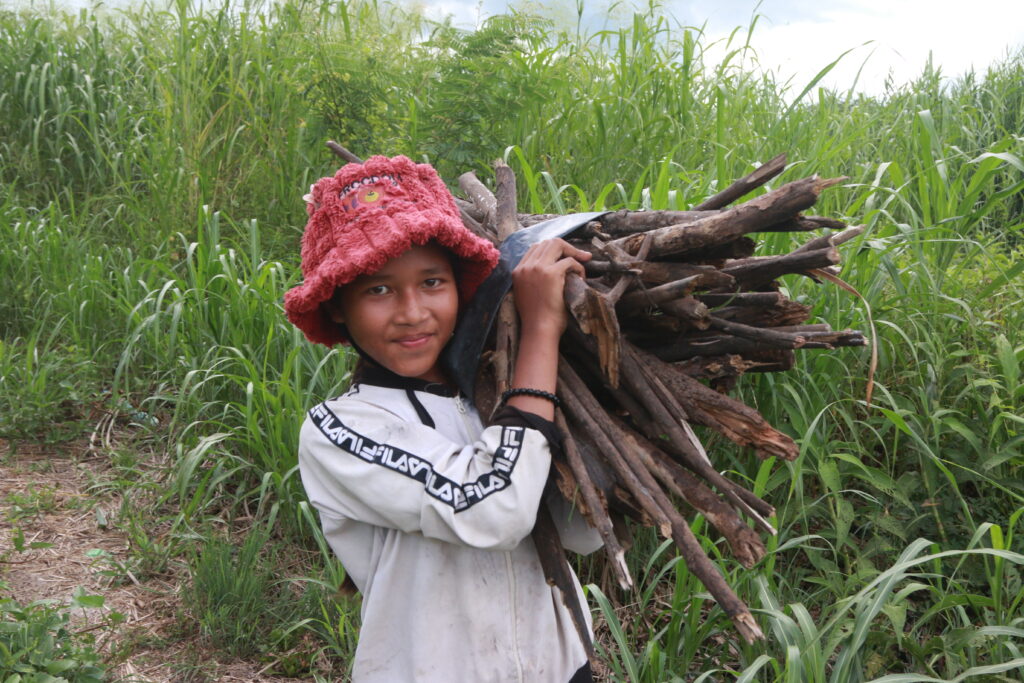
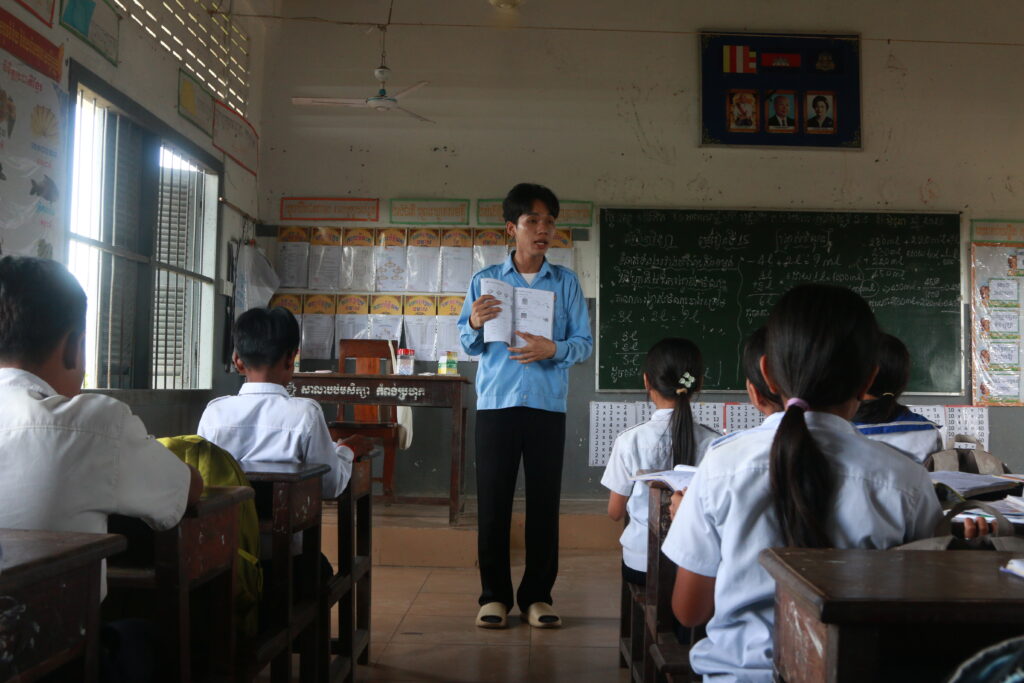
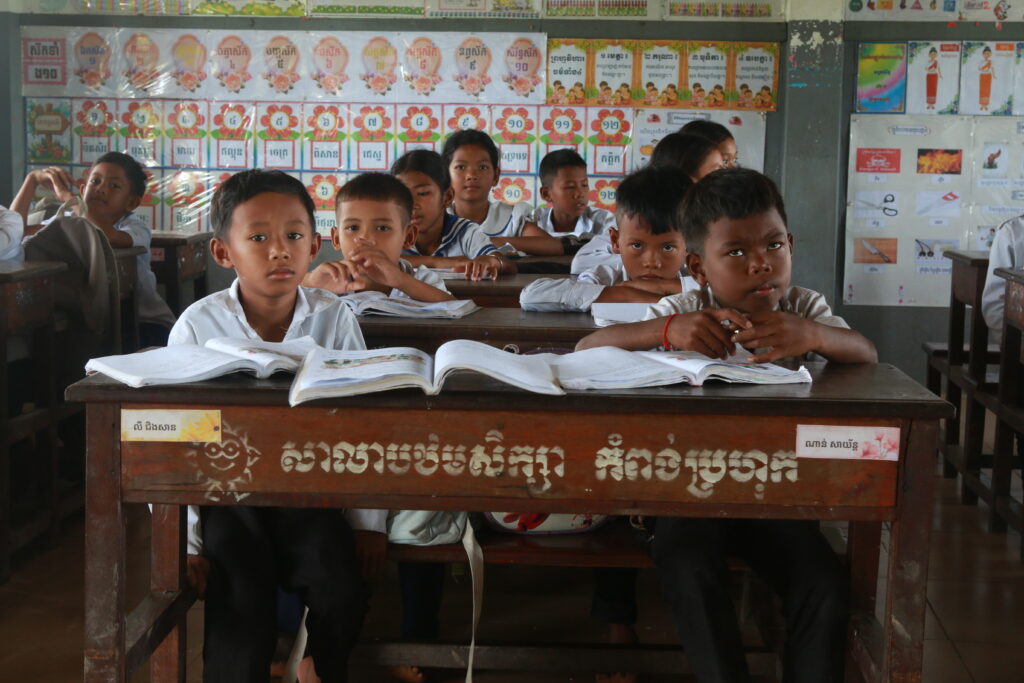
Rising Costs Make Reaching Remote Schools Even Harder
Speaking to an Associated Press reporter, Samphors Vorn, Country Director of Action Education in Cambodia, explained how rising fuel prices are creating additional barriers to education.
As he described it, higher fuel prices affect almost every part of education—from transporting students and teachers to remote schools to delivering basic classroom supplies such as pencils and chalk. For organisations working in remote communities, higher transportation costs also make it more expensive to reach children who are already among those most at risk of being left behind.
In Cambodia’s floating communities, these challenges can be particularly acute because supplies must be transported by boat.
“Even the electricity to run this lab is 10 times higher,” Samphors Vorn told AP.
His comments illustrate a wider challenge: ensuring equitable education requires more than putting a classroom in place. Remote schools need reliable transportation, learning materials, technology, electricity and trained teachers—and all of these become more difficult and expensive to provide when communities are isolated by geography and environmental change.
Innovative Solutions for Children on the Water
Despite these challenges, the story of education on the Tonle Sap is also a story of innovation and resilience.
Action Education and its partners have worked with schools and communities to develop solutions adapted to life on the water. Mobile libraries and the library boat bring books and learning resources closer to children. Digital education initiatives provide access to computers and tablets. School boats help children travel between their homes and schools, while community-based approaches help identify and support children who are at risk of dropping out.
These efforts build on a simple principle: education must adapt to children’s realities—not require children to overcome every barrier on their own.
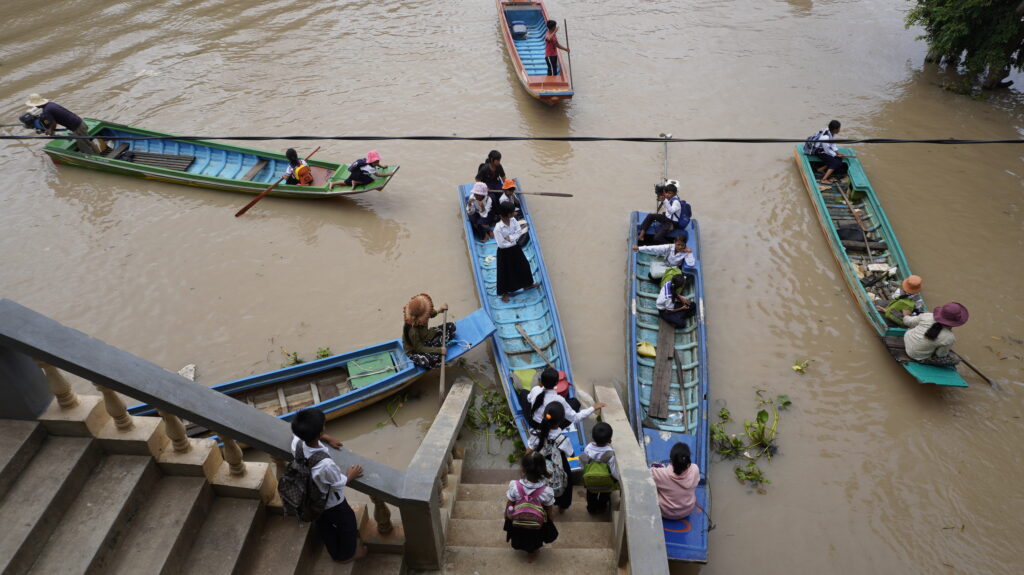
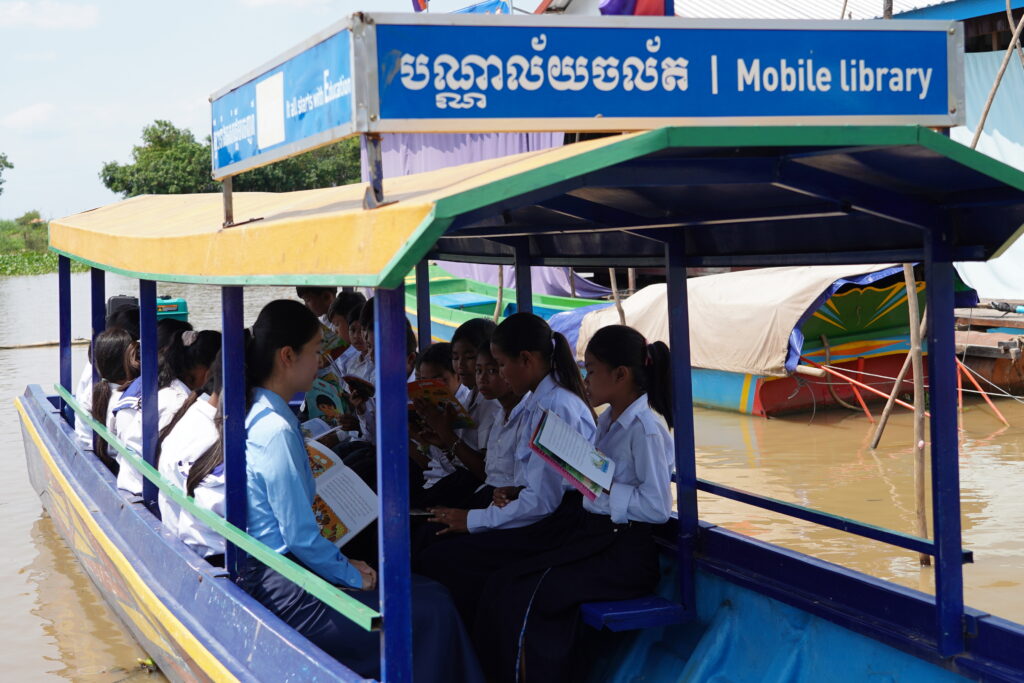
The library boat initiative, for example, was created to strengthen literacy among children and adults living in the floodplain communities of the Tonle Sap. The boat provides books, internet access and digital resources, while also serving as an occasional means of transportation for students.
Similarly, school boats distributed through the Cambodia Consortium for Out-of-School Children have helped groups of children travel to and from school in floating communities.
A Shared Commitment to Education for All
The media visit was also an opportunity to highlight the importance of partnership.
Action Education in Cambodia and Education Above All’s Educate A Child programme have worked together through the Cambodia Consortium for Out-of-School Children to expand access to education for children who face barriers to schooling. The partnership combines community-based action, education innovation and advocacy to help ensure that children in remote and marginalised communities are not left behind.
The international attention generated by the media visit reinforces an important message: every child, regardless of where they live, deserves the opportunity to learn.
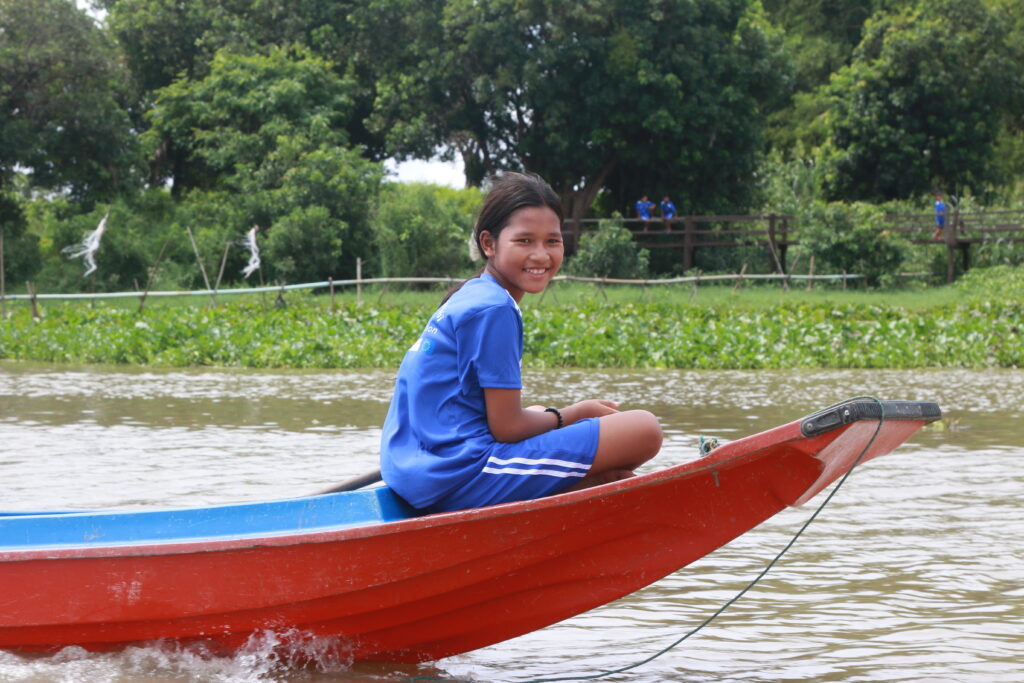
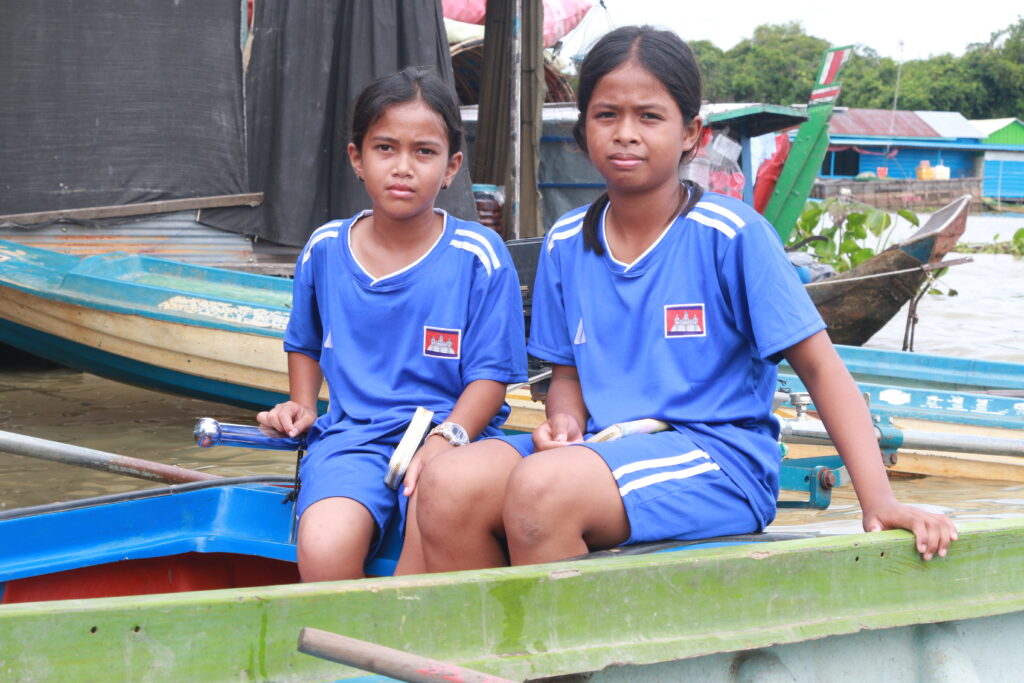
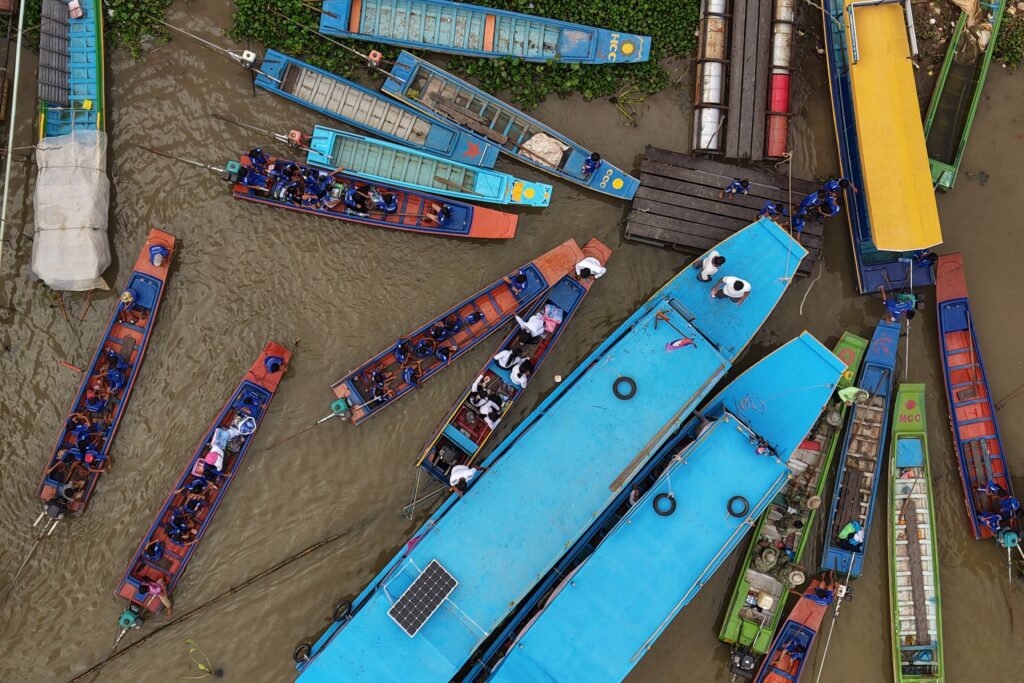
For children growing up on the Tonle Sap, the journey to education may begin in a small boat. But their aspirations are much larger than the waters that surround them.
By bringing their stories to national and international audiences, the media coverage helps ensure that their voices—and the urgent need to protect their right to education in a changing climate—are heard far beyond Cambodia’s floating villages.