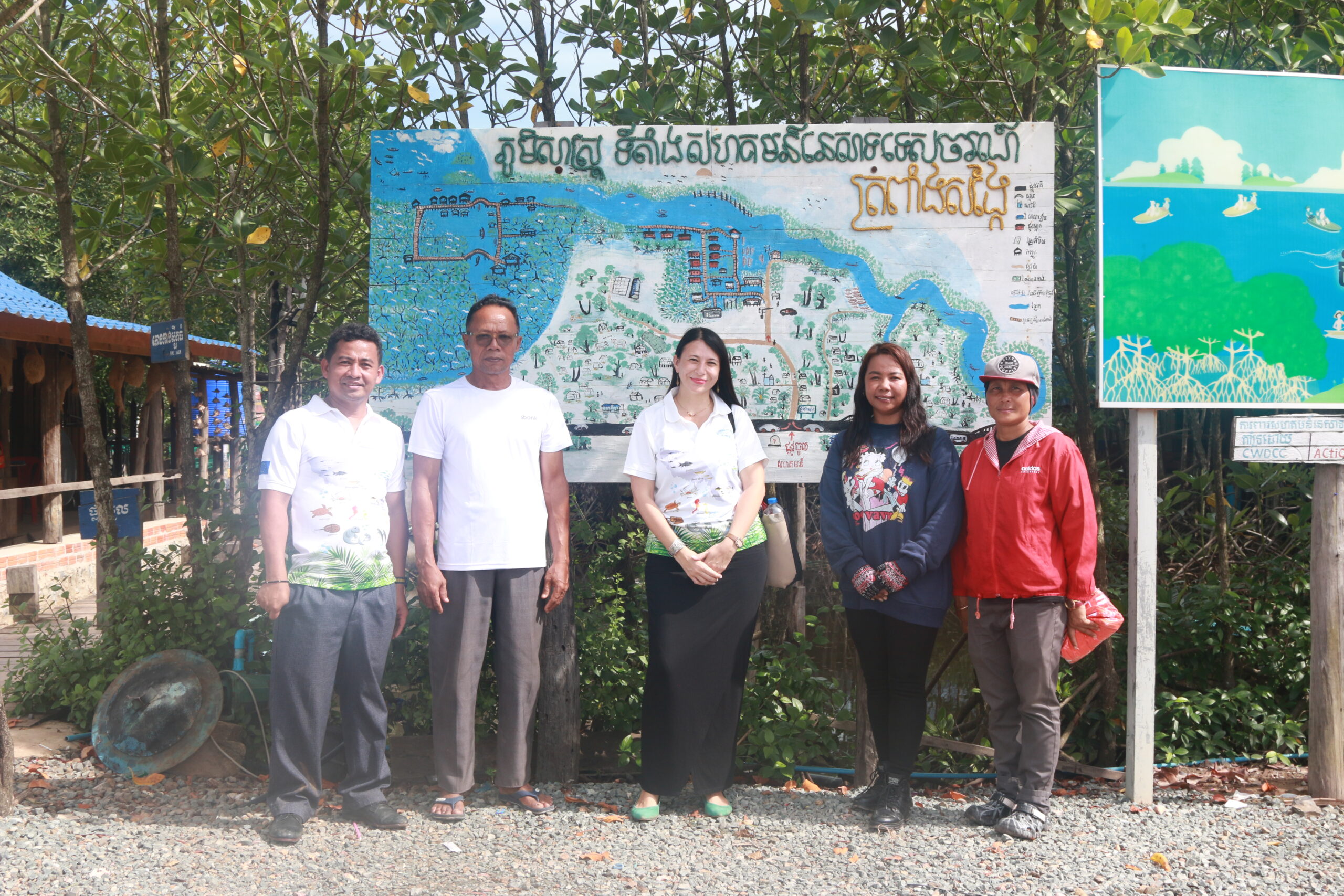

Kampot Province, Cambodia – What makes a community successful? For Trapaing Sangke Community-Based Fisheries Ecotourism, the answer goes beyond infrastructure or funding. It lies in a shared vision, strong leadership, community ownership, and partnerships that empower local people to shape their own future.
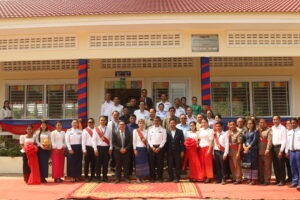
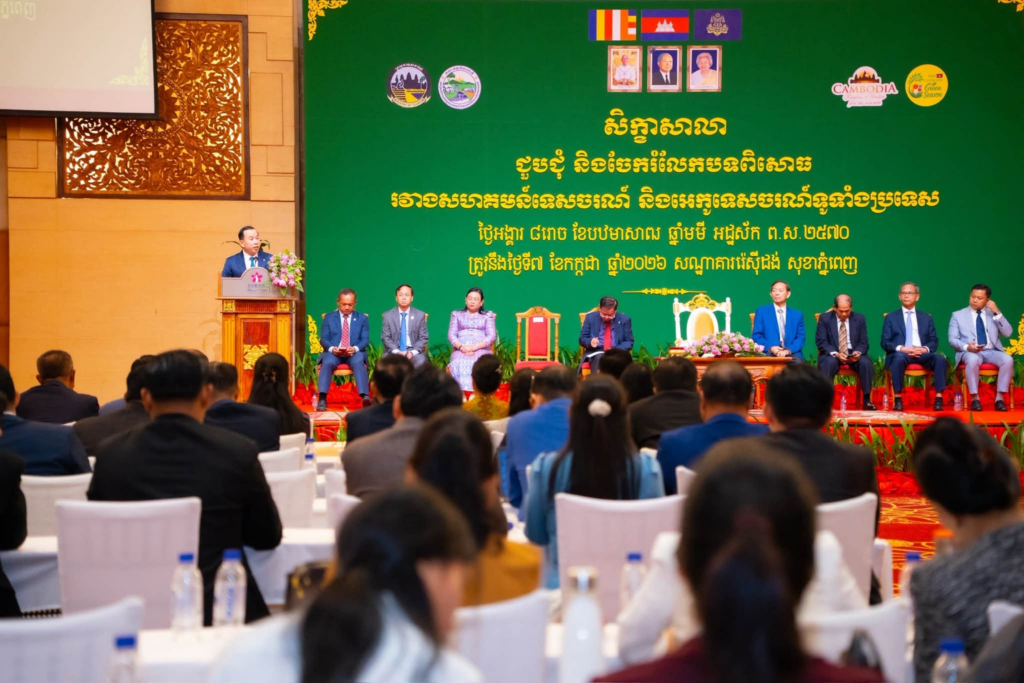
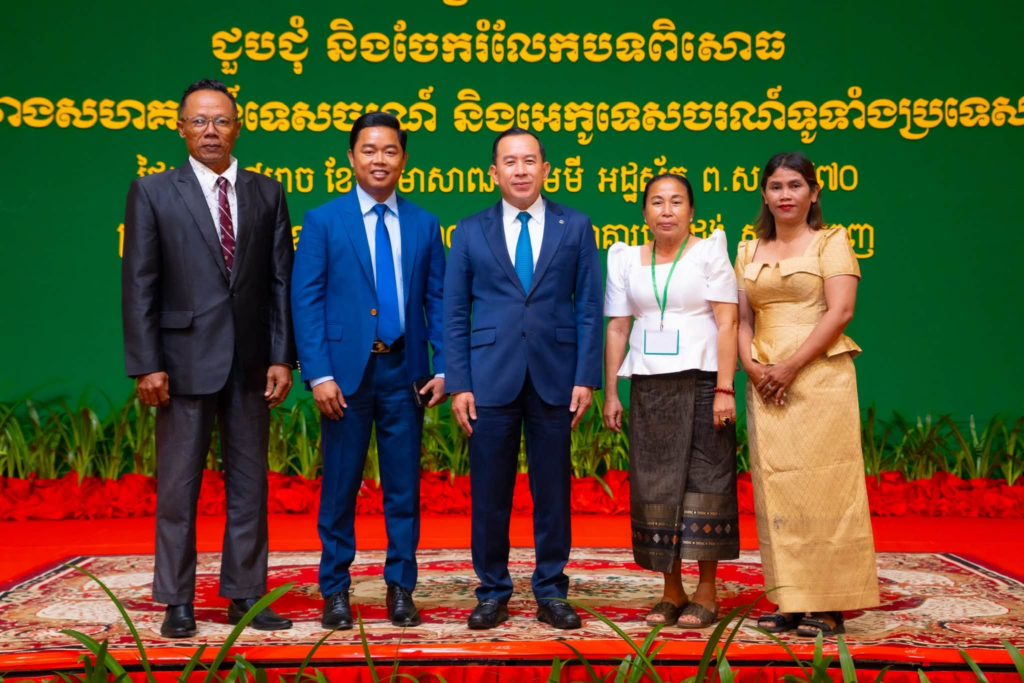
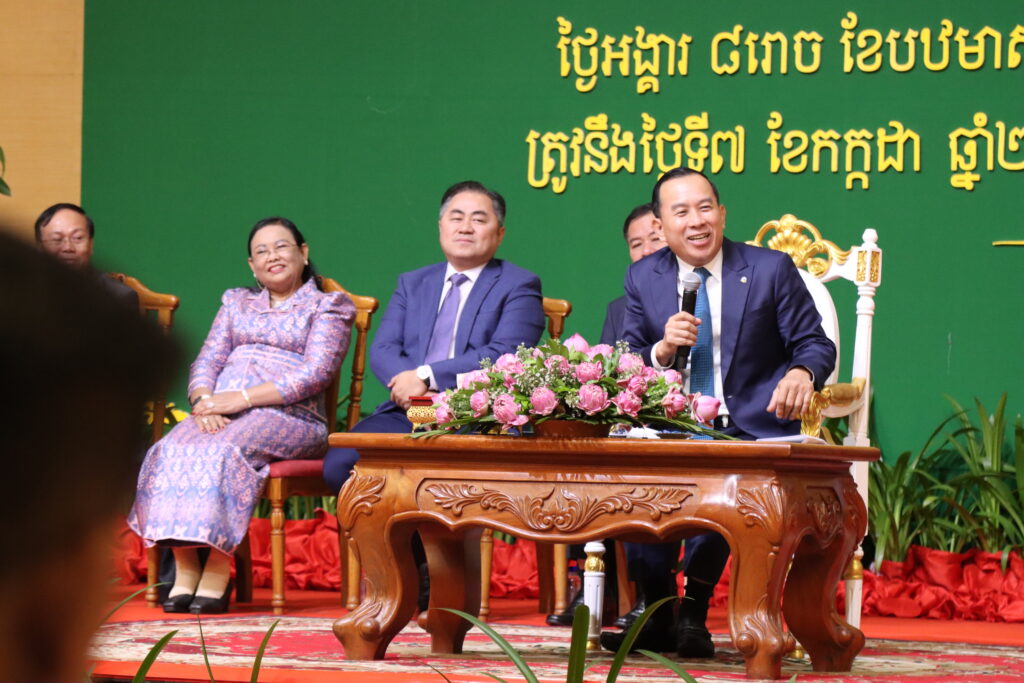
This inspiring journey was recently highlighted when Trapaing Sangke Community-Based Fisheries Ecotourism was selected as one of only four outstanding community tourism initiatives nationwide to present its experience at the National Community Tourism and Ecotourism Experience Sharing Workshop, which took place on July 7, 2026, in Phnom Penh, organized by the Ministry of Tourism. The annual event brought together around 400 participants, including government leaders, development partners, private sector representatives, civil society organizations, and representatives from 90 community tourism and ecotourism sites across Cambodia.
During the workshop, Mr. Sim Him, Head of Trapaing Sangke Community-Based Fisheries Ecotourism, shared the philosophy that has guided the community’s success over the years:
“The success of Trapaing Sangke Community today is not because of the committee or individual members alone. It is the result of participation, collaboration, and many contributing factors. From the beginning, we had a clear purpose—to serve the collective interests of our fishing community members. We work with honesty, dedication, unity, and the trust of our members. We do not spend money to make plans; we make plans to generate sustainable income.”
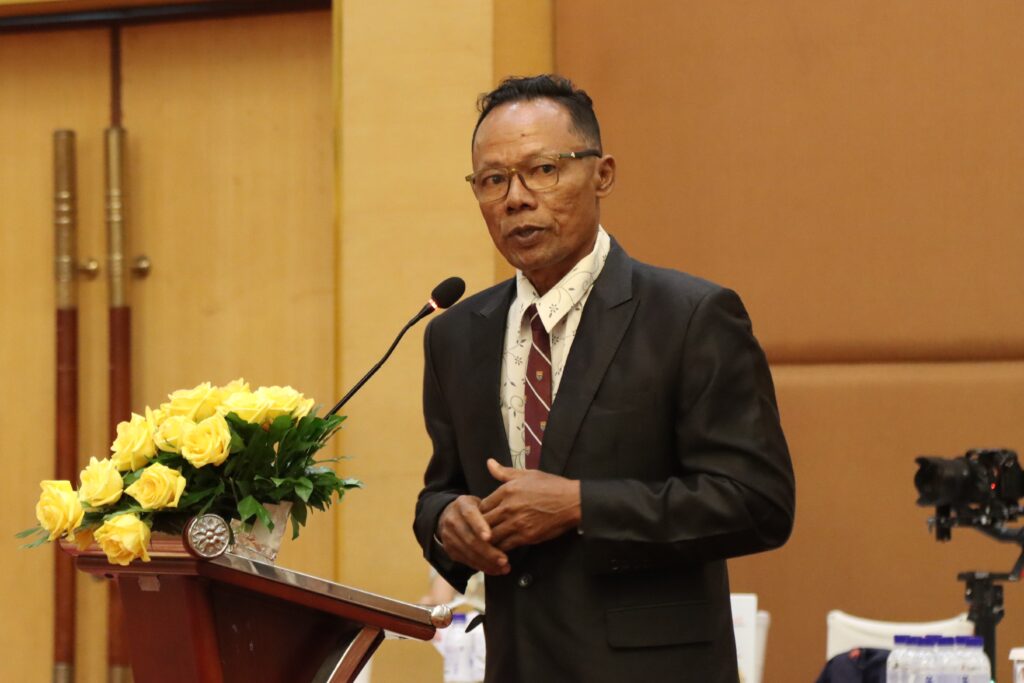
His message resonated strongly with participants, illustrating how community-led governance and long-term planning can transform local livelihoods while protecting natural resources.
A Community Built on Conservation and Collective Action
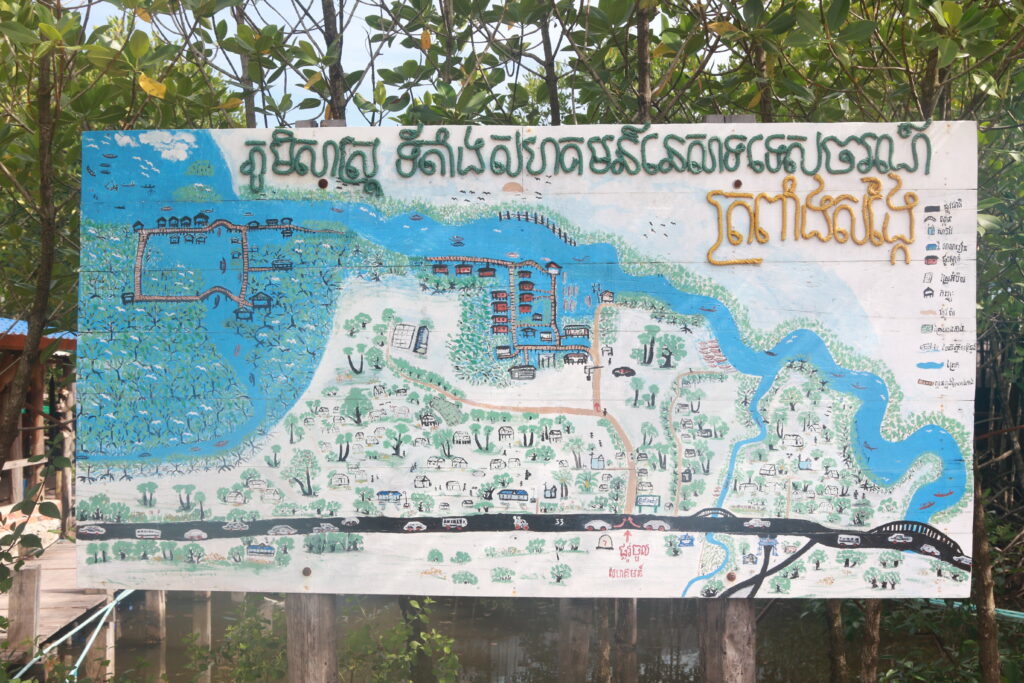
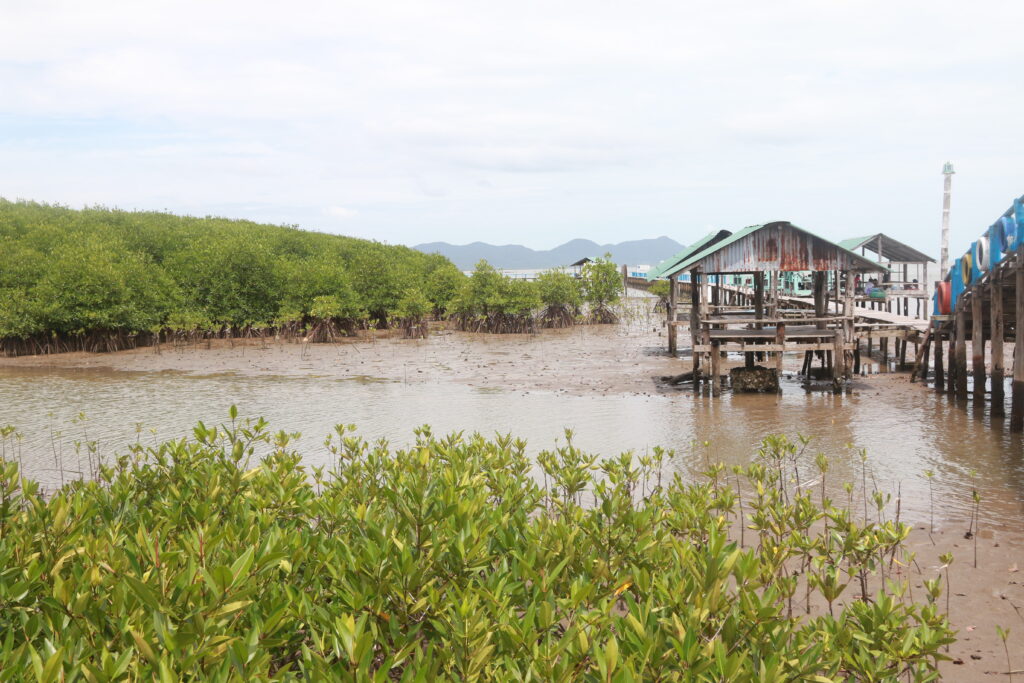
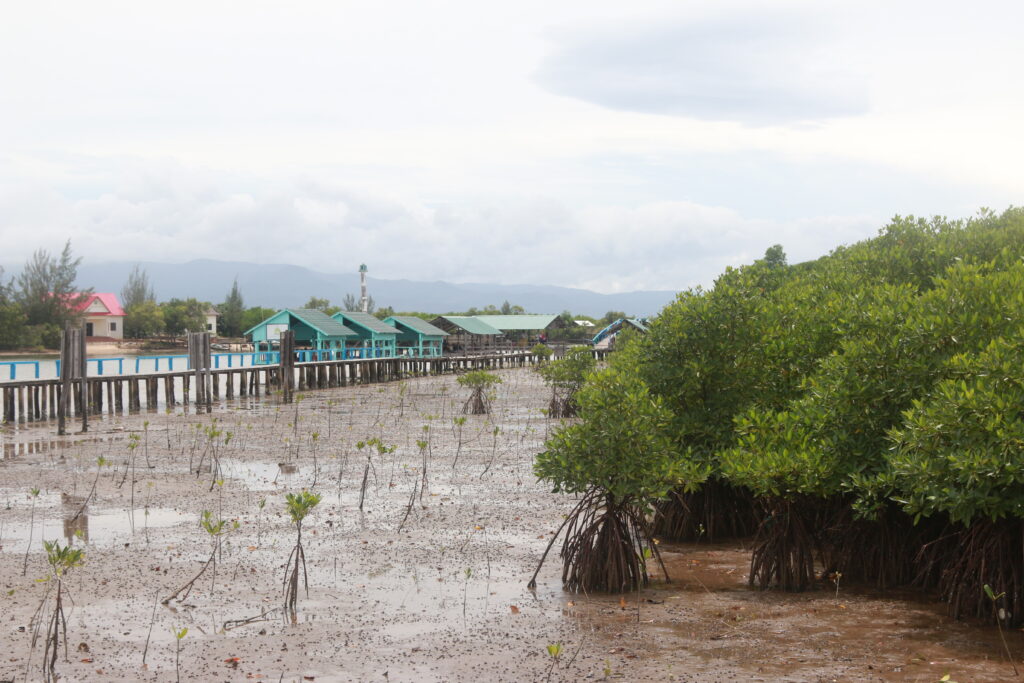
Established in 2009, Trapaing Sangke Community Fisheries was created to protect Cambodia’s valuable mangrove forests from illegal land encroachment and restore critical fish habitats. Beyond environmental conservation, the community sought to address social challenges by reducing migration among fishing families and ensuring children remained in school.
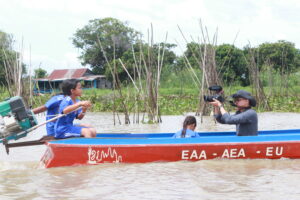
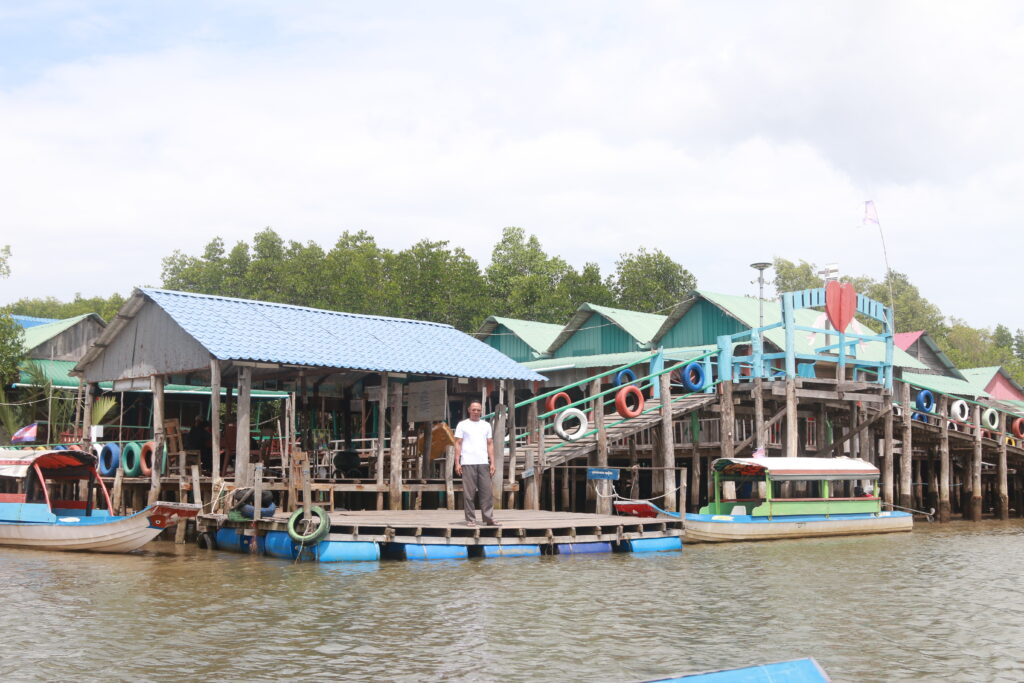
Recognizing the area’s rich natural assets, the community expanded its vision in 2014 by developing community-based tourism. Working closely with local authorities and development partners, Trapaing Sangke gradually built tourism services capable of welcoming up to 400 visitors, offering authentic experiences centered around mangrove ecosystems, local fisheries, and community life.
Today, the community has become a national model for sustainable tourism, receiving recognition from the Royal Government of Cambodia and earning regional acclaim, including an ASEAN Community-Based Tourism Award.
Diversifying Livelihoods Through Partnership
While fishing remains an important source of income, community leaders recognized the need to diversify livelihoods to strengthen resilience against environmental and economic challenges.
Speaking at the workshop, Mr. Sim Him acknowledged the role of development partners in supporting this transition:
“Today, we are working with development organizations to create additional livelihoods beyond fishing. One important initiative is fish cage farming, which has been supported through the Aide et Action project.”
Since 2022, Action Education (formerly Aide et Action), through the CO-SAVED Project, has partnered closely with Trapaing Sangke Community to strengthen both sustainable livelihoods and eco-tourism development.
The support has included:
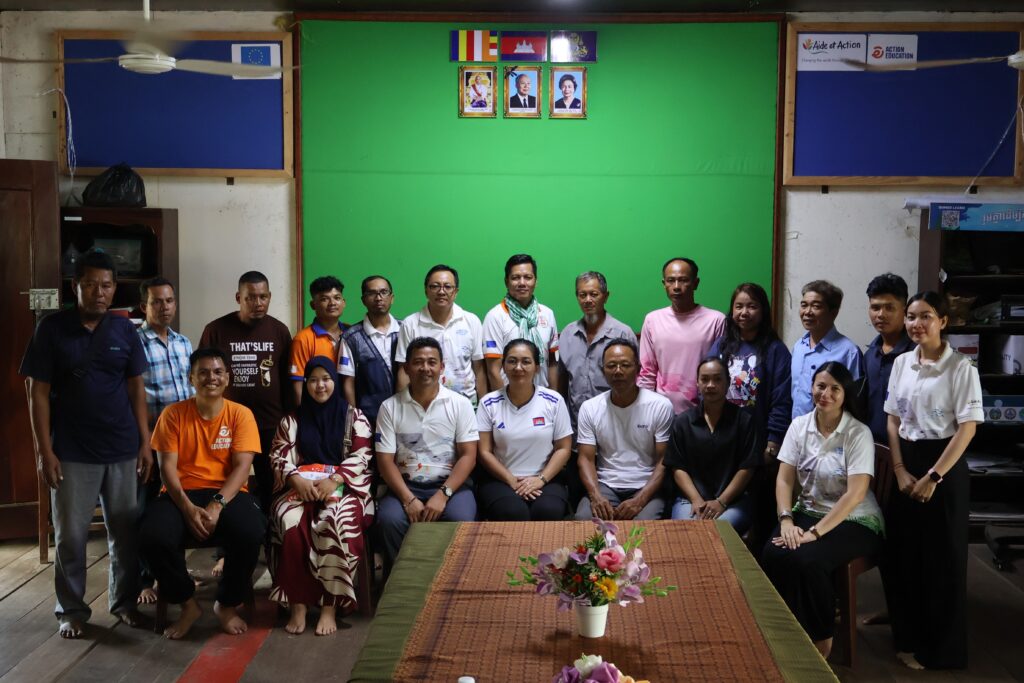
- Renovation of the community meeting hall;
- Hospitality and tourism service training;
- Improvement of tourist boat roofs;
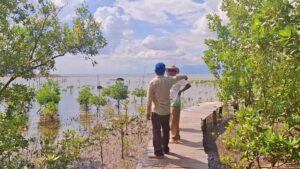
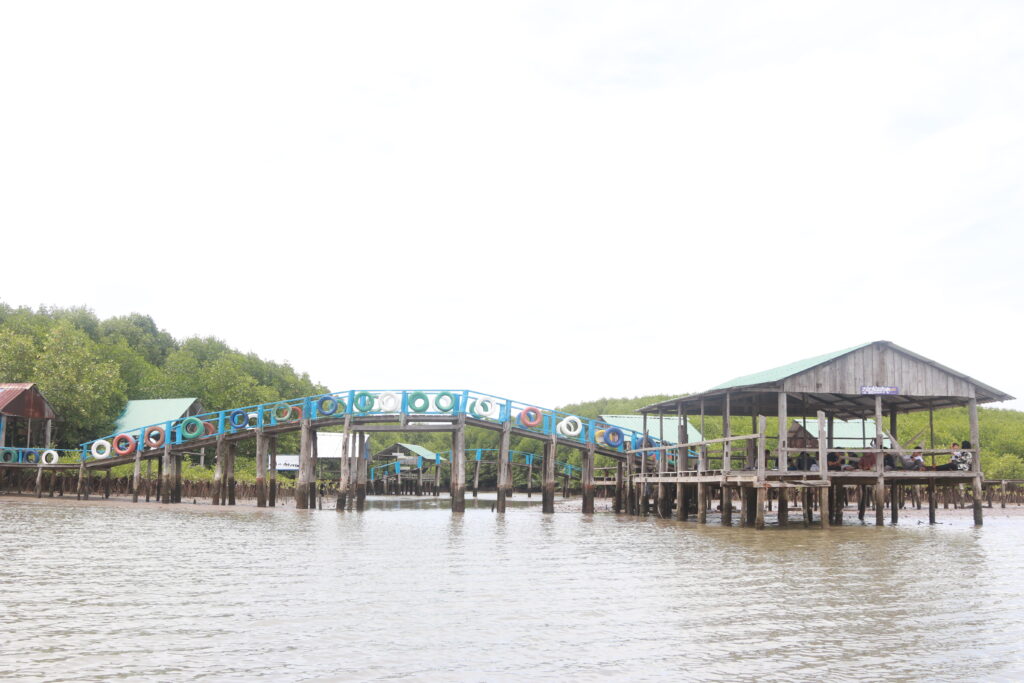
- Construction of a mangrove boardwalk for visitors;
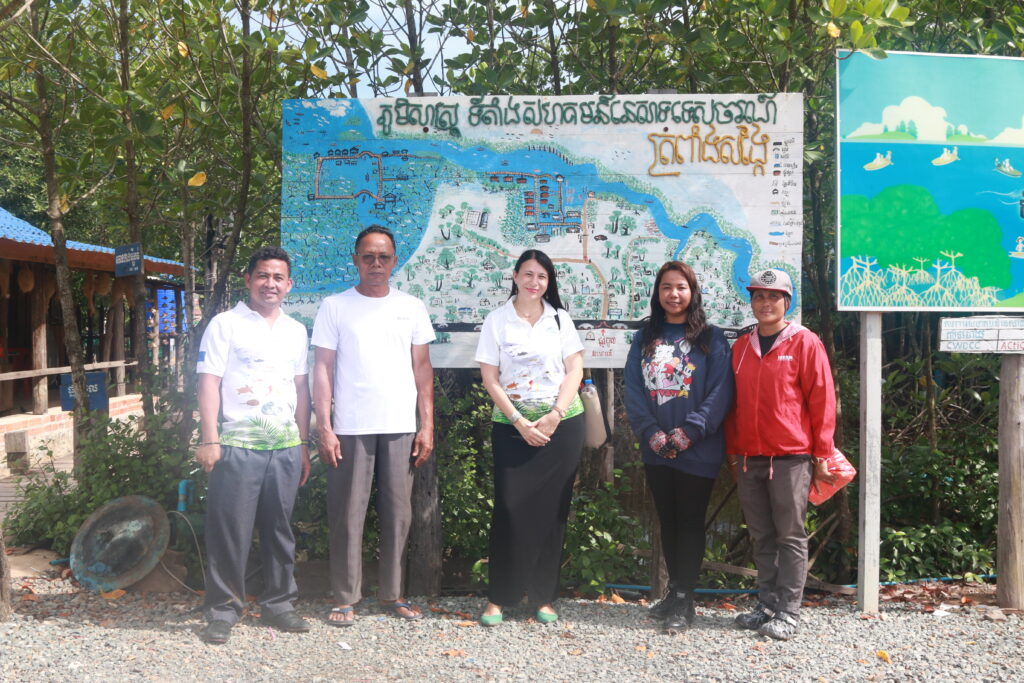
- Installation of mangrove conservation signage;
- Establishment of mangrove nurseries and tree planting activities;
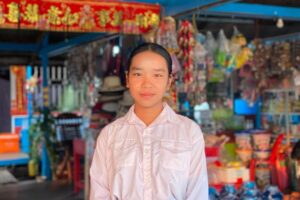
- Construction of community market stalls;
- Support for fish cage farming as an alternative livelihood;
- Development of camping facilities for eco-tourists.
These investments have helped improve visitor experiences while generating new income opportunities for community members and reinforcing environmental stewardship.
Sustainable Tourism that Empowers Communities
During the workshop, the Minister of Tourism, H.E. Huot Hak, emphasized that community tourism and ecotourism are essential pillars of Cambodia’s tourism diversification strategy.
He noted that sustainable and inclusive tourism must place communities at its center—empowering local people to manage their own resources, strengthen local economies, and build resilient futures.
This vision strongly aligns with Action Education’s mission of promoting inclusive development through education, sustainable livelihoods, environmental protection, and community empowerment.
Through the CO-SAVED Project, Action Education continues working alongside local communities to build practical skills, strengthen local governance, create green livelihood opportunities, and conserve Cambodia’s rich natural heritage.
Building Resilient Communities Together
As Cambodia continues expanding its network of recognized community tourism and ecotourism destinations, Trapaing Sangke stands as an inspiring example of what can be achieved when communities lead their own development with the support of committed partners.
Its journey demonstrates that conservation and economic development can go hand in hand—creating opportunities that protect nature, strengthen local economies, and ensure future generations can continue to thrive.
At Action Education, we welcome the Ministry of Tourism’s continued commitment to advancing sustainable and inclusive community-based tourism through meaningful collaboration among government institutions, communities, the private sector, and development partners.
Together, we believe that investing in people, protecting ecosystems, and strengthening local leadership can build resilient communities and create lasting opportunities for all.