
On Cambodia’s coast, schools face challenges far beyond lessons and exams. In Koh Kong province, where rivers meet the sea, communities live with flooding, saltwater intrusion, and the growing pressure of climate change. For children, this often means that a basic human right — access to clean water — is never guaranteed, and inequality shapes who can safely learn and thrive.
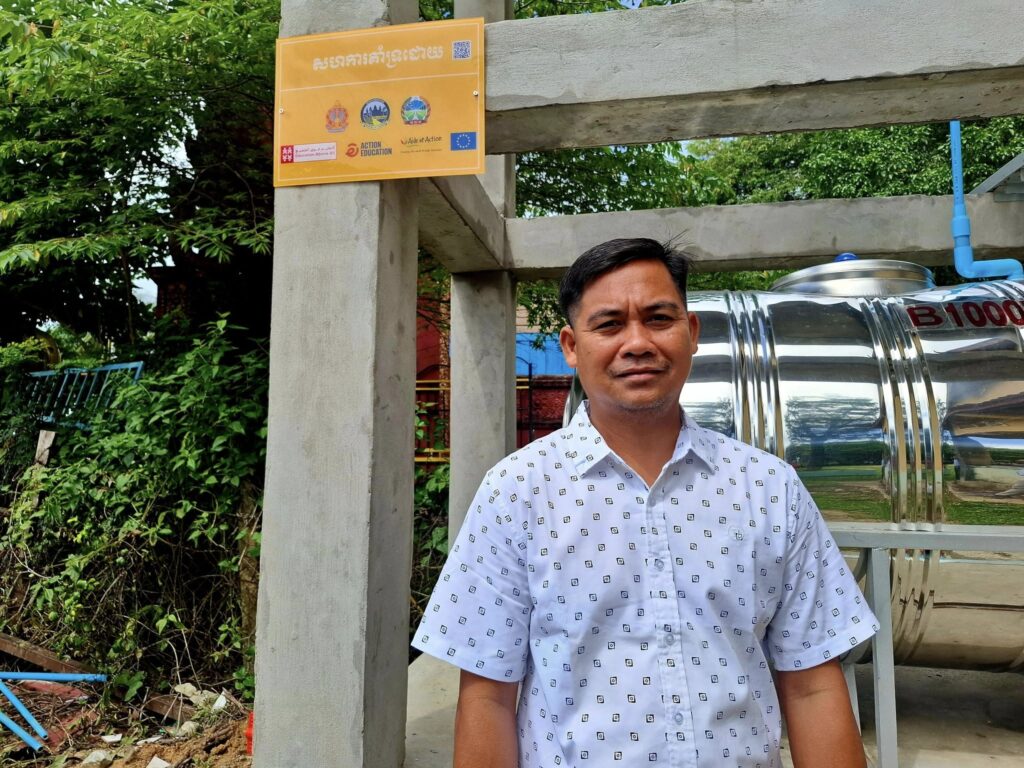
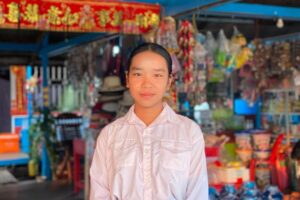
At Chrouy Svay Primary School, the weight of this struggle was felt every day. “In my school, there are 272 children, including 171 girls,” explains school director Ren Hap. “Previously, there was no water in the community or in my school. We had to boil rainwater. Children had to bring water from home.”
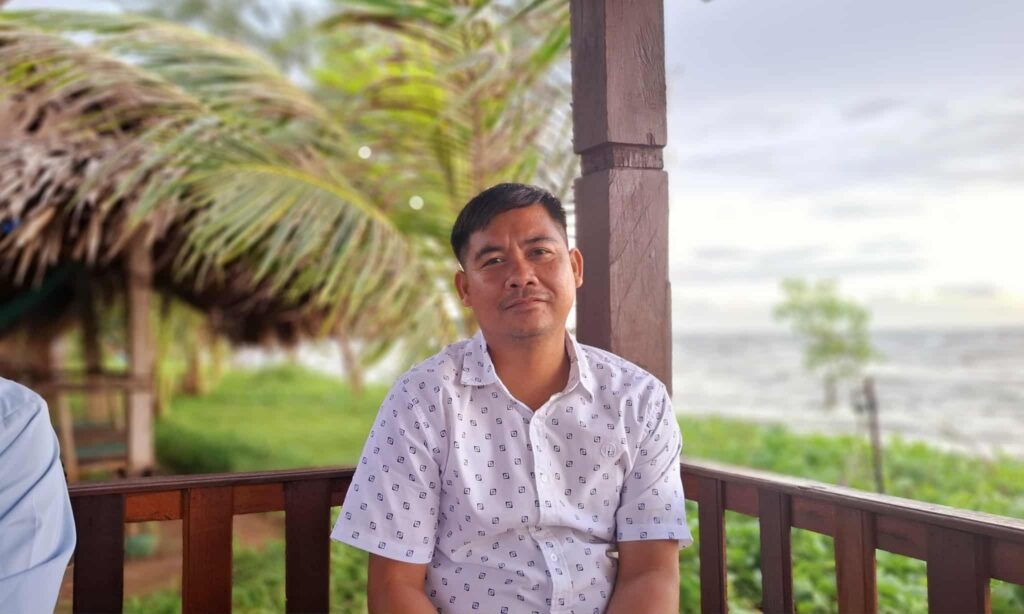
For many pupils, the daily hardship meant starting the day anxious — or even missing lessons altogether. Without clean water, hygiene was nearly impossible, and classrooms could not be the safe, healthy spaces they were meant to be. Girls and children from the most marginalised households were particularly affected.
In climate-hit coastal regions, water systems and school toilets are essential for child protection, equity, dignity, and learning.
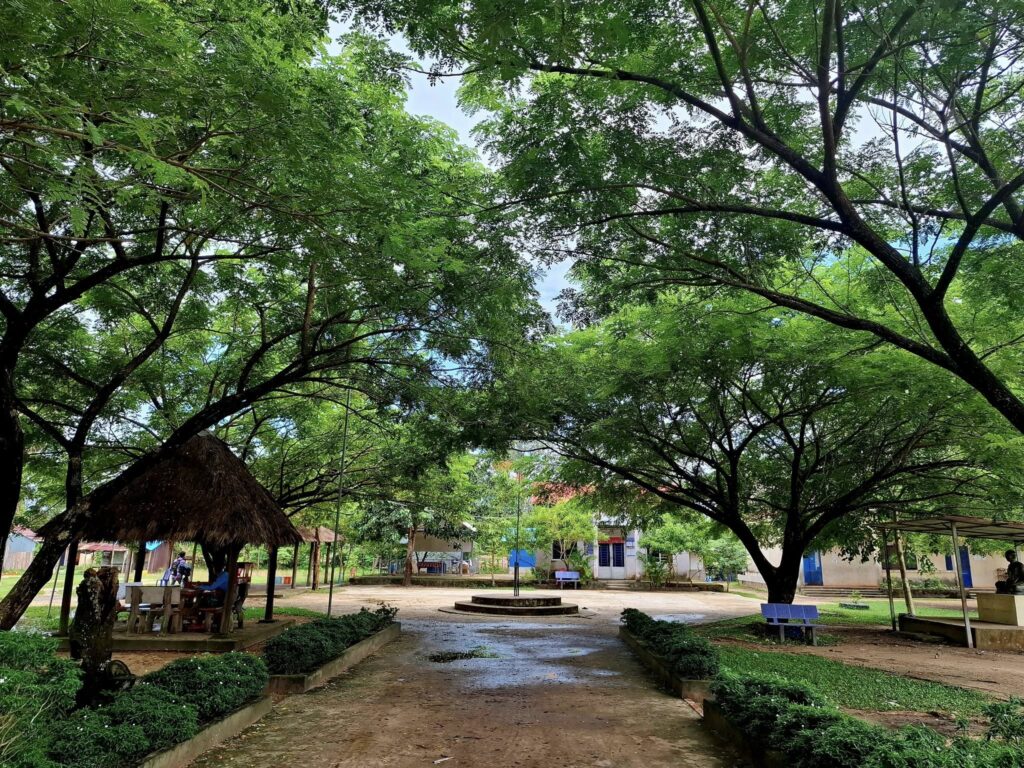
Water & Sanitation: A Lifeline for Learning
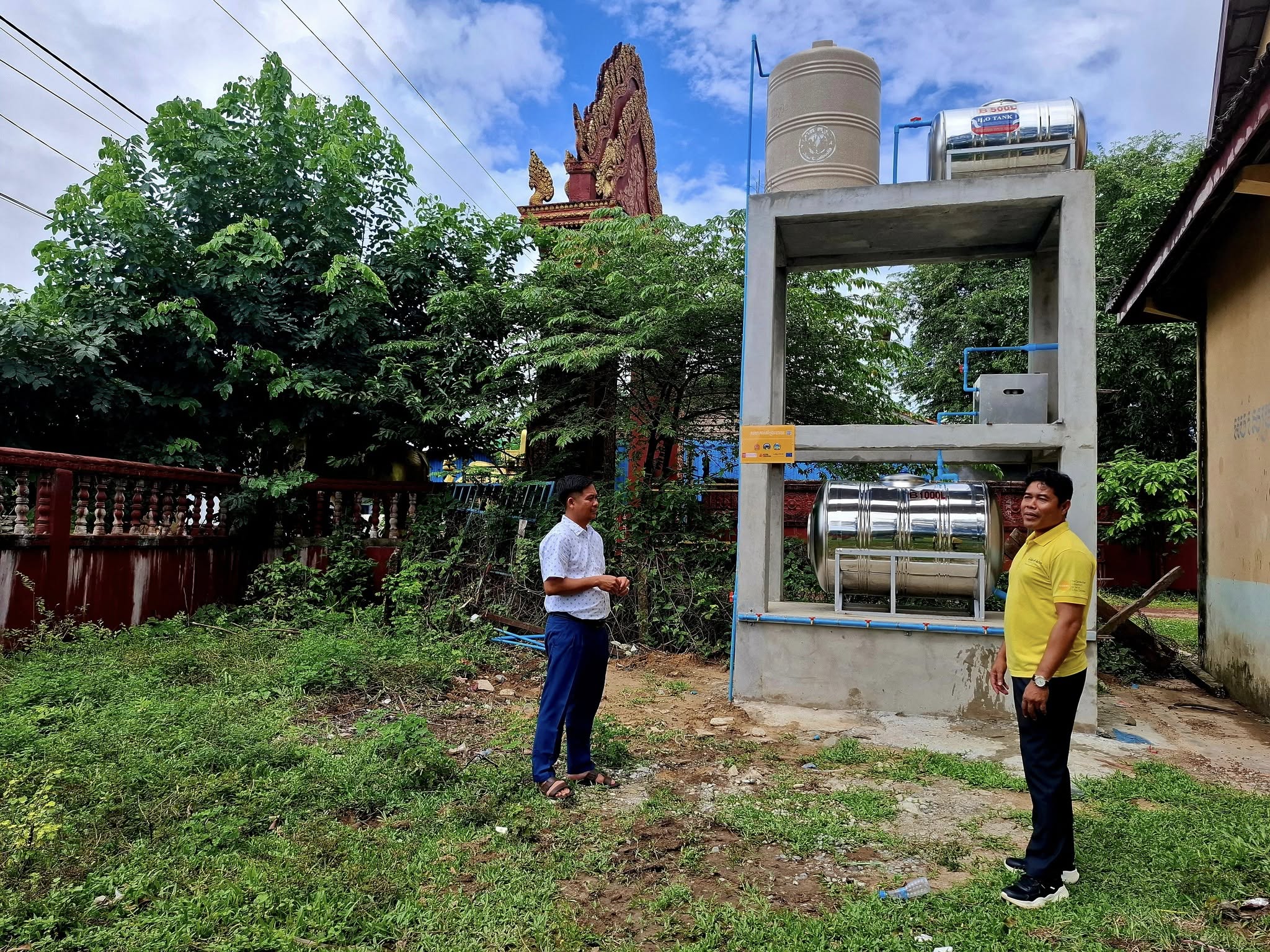
Understanding safe water and sanitation as essential prerequisites for education for all, Action Education / Aide et Action, through its CO-SAVED project, co-funded by the European Union, supported the installation of a new water system at the school.
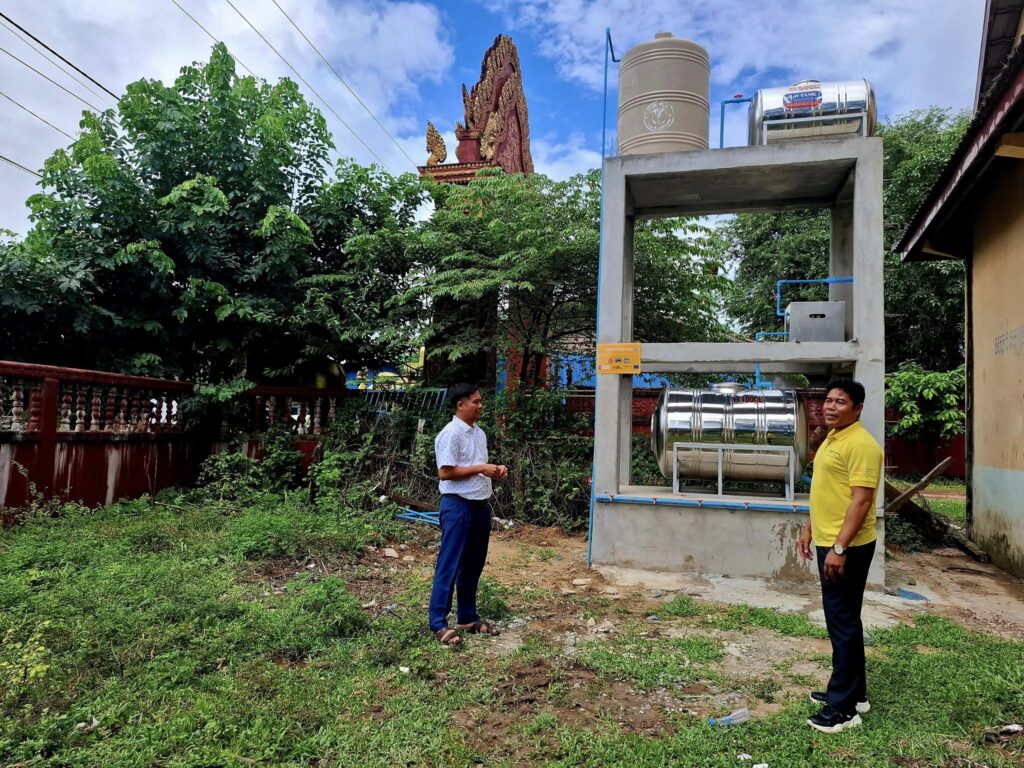
“Now we have clean water,” says Mr Hap. “We just need a little more time before it will be safe to drink directly from the tap. For now, it is already useful for washing and cleaning. I am so happy students won’t need to pay for water anymore. Soon, they will be able to drink for free.”
Another major transformation has been the construction of new toilets.
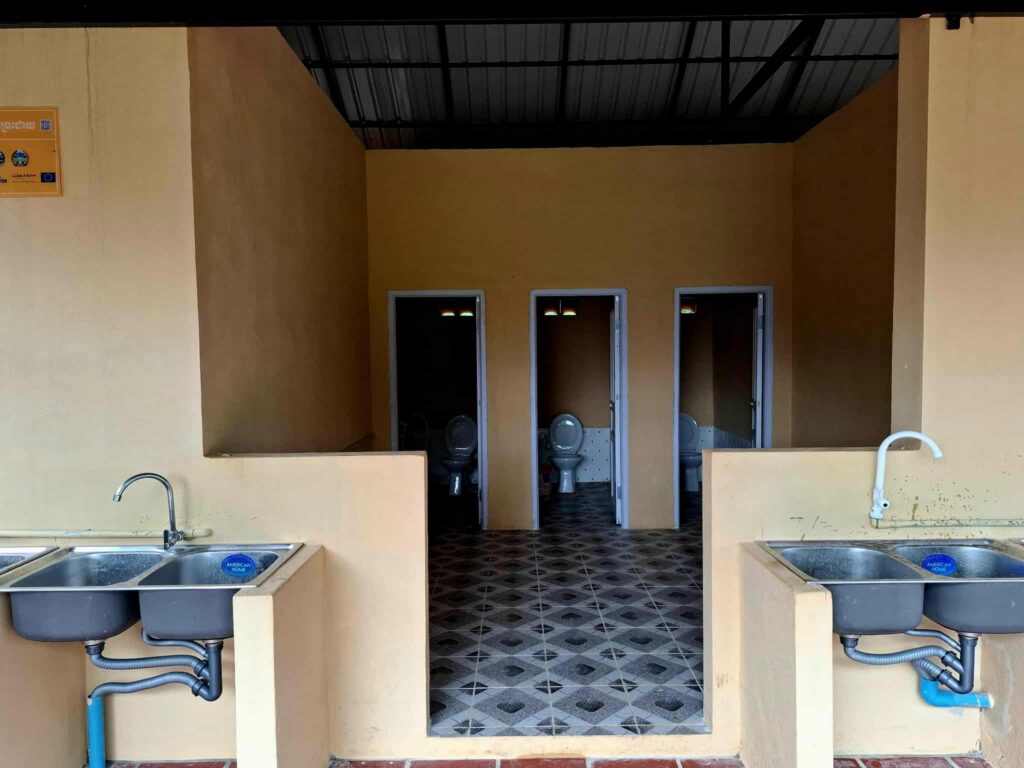
“Students really appreciate what we have done,” Mr Hap adds. For children, this is not a small change but a significant step toward equity, allowing every student — regardless of gender or household income — to learn with dignity.
From Scarcity to Sharing: Climate Resilience Starts at School
With safe water and clean toilets, children can focus on learning, grow in dignity, and look towards a future no longer defined by scarcity and inequity.
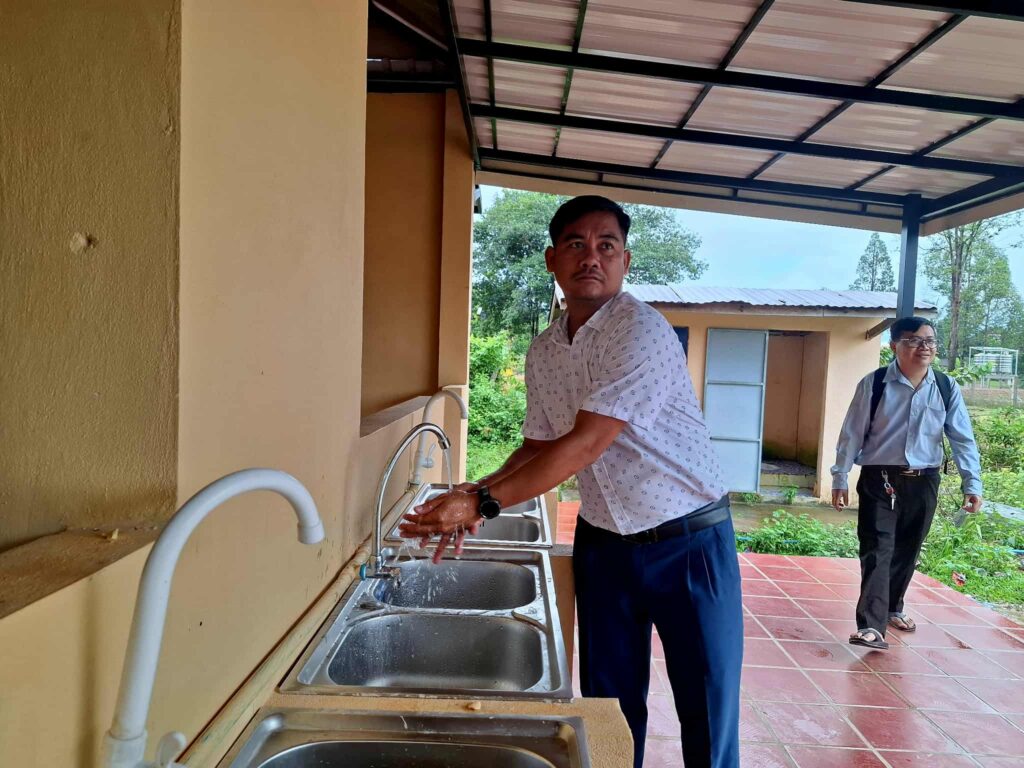
And the impact reaches far beyond the school gates.
During holidays, when classrooms fall quiet, community members are welcome to collect water. What was once a personal struggle has become a shared resource, helping the entire village cope with the uncertainty of rising tides and unpredictable rainfall.
In coastal provinces like Koh Kong, investing in water and sanitation in schools is essential: it’s climate adaptation, equitable access to education, and community resilience — giving children the chance to learn, grow, and thrive in the face of a changing world.