
Co-funded by the European Union, Action Education / Aide et Action’s project in Cambodia’s coastal provinces — the Consortium for Sustainable Alternatives and Voice for Equitable Development (COSAVED) — is coming to an end. In 2025, our teams stood alongside coastal communities, supporting livelihoods, access to clean water, environmental protection, and education — even in times of conflict.
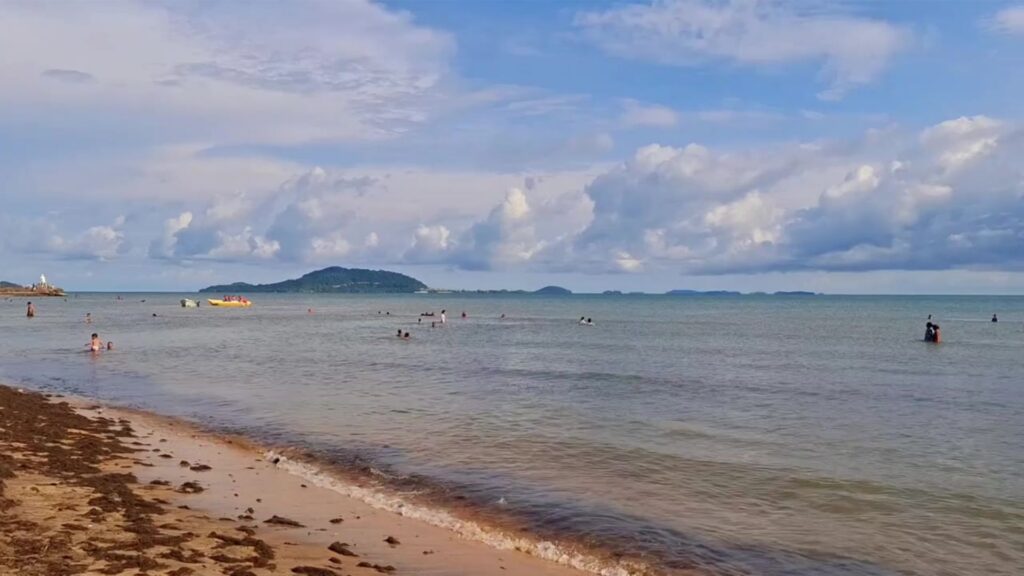
1. Coastal Communities at the Centre. Throughout 2025, COSAVED remained committed to advancing inclusive socio-economic development in communities across the coastal provinces of Kampot, Kep, Koh Kong, and Preah Sihanouk. In cooperation with local authorities, the project contributed to ongoing efforts to improve access to water, sanitation, health services, education, energy, and resource management—strengthening resilience and reducing vulnerability.
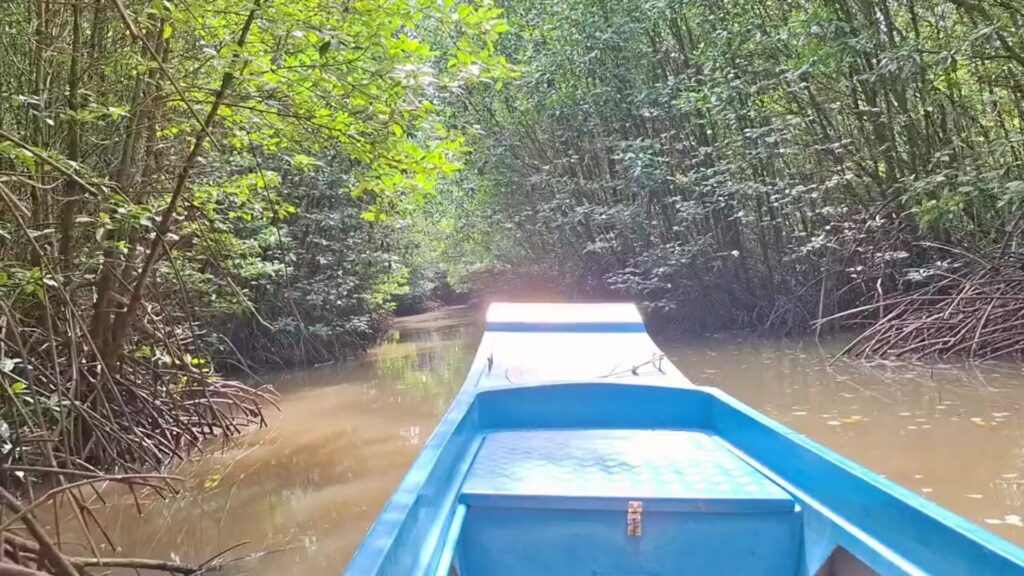
2. Addressing Structural Vulnerabilities. Coastal communities rely heavily on fishing as their primary source of income. Over the past decade, declining fish stocks — driven by illegal fishing, trawling, climate change, and population growth — have placed increasing pressure on livelihoods.
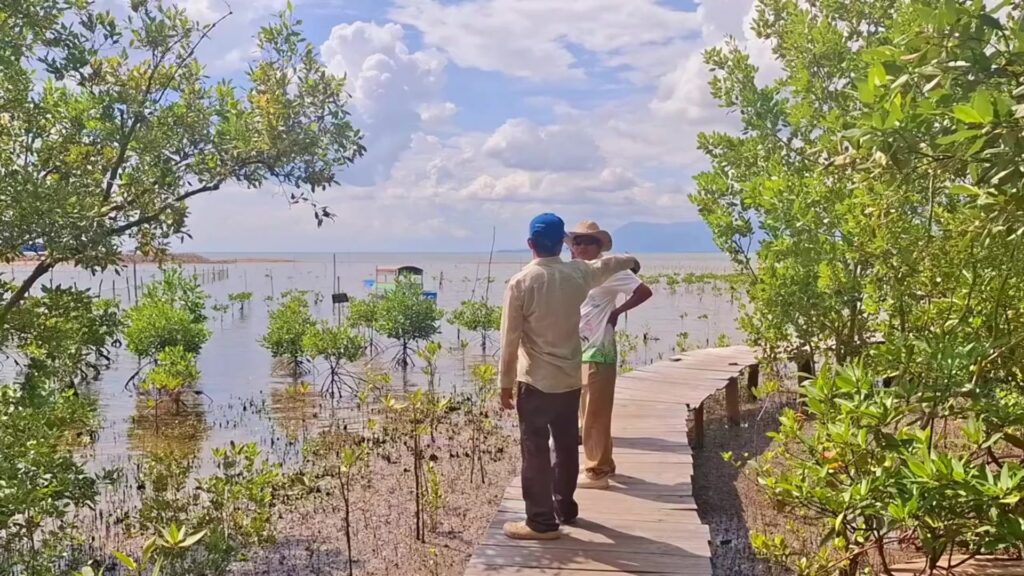
3. A Multi-Partner Approach. COSAVED brings together non-governmental organisations, civil society, local authorities, and private sector actors to build lasting cross-sector partnerships. The project supports local communities to improve livelihoods, protect natural resources, and contribute to long-term peace and prosperity.
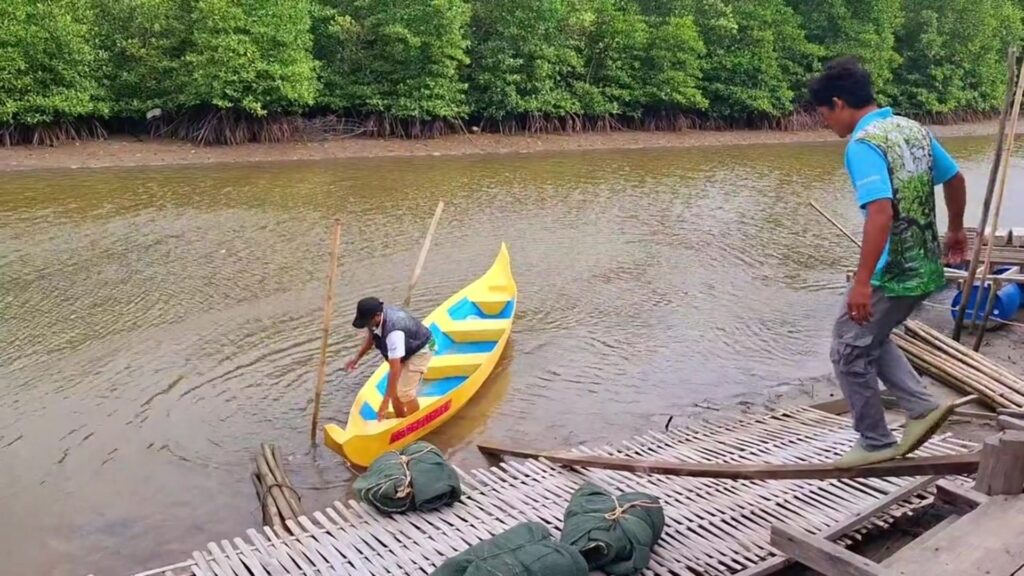
4. Sustainable Fisheries Management. In 2025, Action Education / Aide et Action teams continued to support community-based fisheries management, strengthening local capacity to sustainably manage marine resources and protect coastal ecosystems.
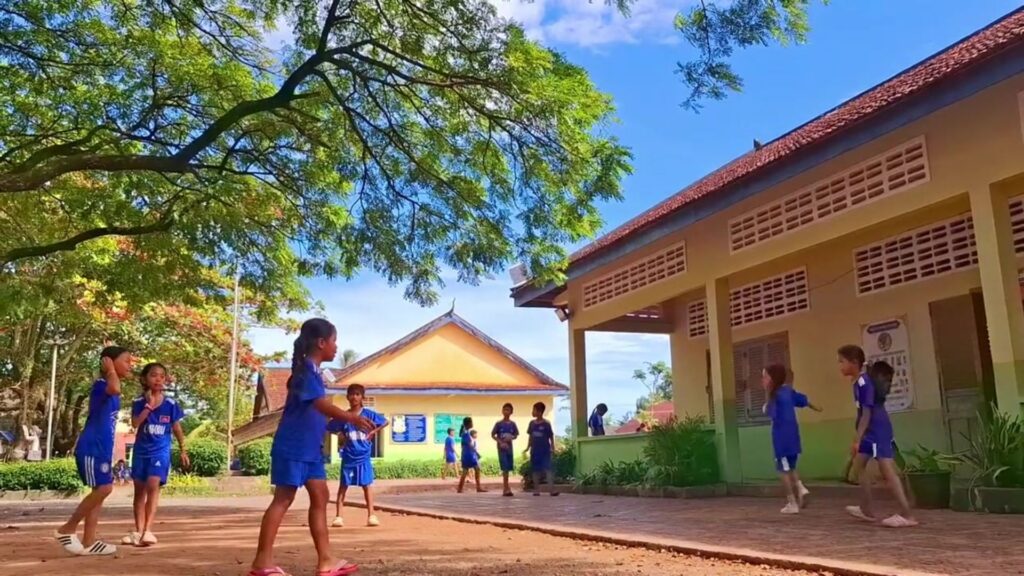
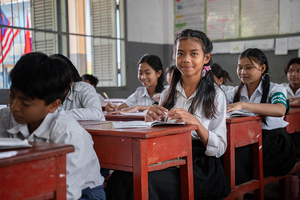
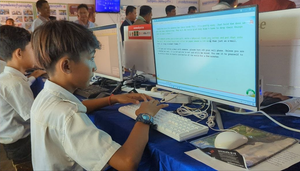
5. Expanding Access to Education. Action Education / Aide et Action supported children in coastal provinces through in-kind assistance, scholarships, non-formal education, and remedial classes. The COSAVED project also strengthened access to early childhood care and education and improved the quality of primary education for vulnerable learners.
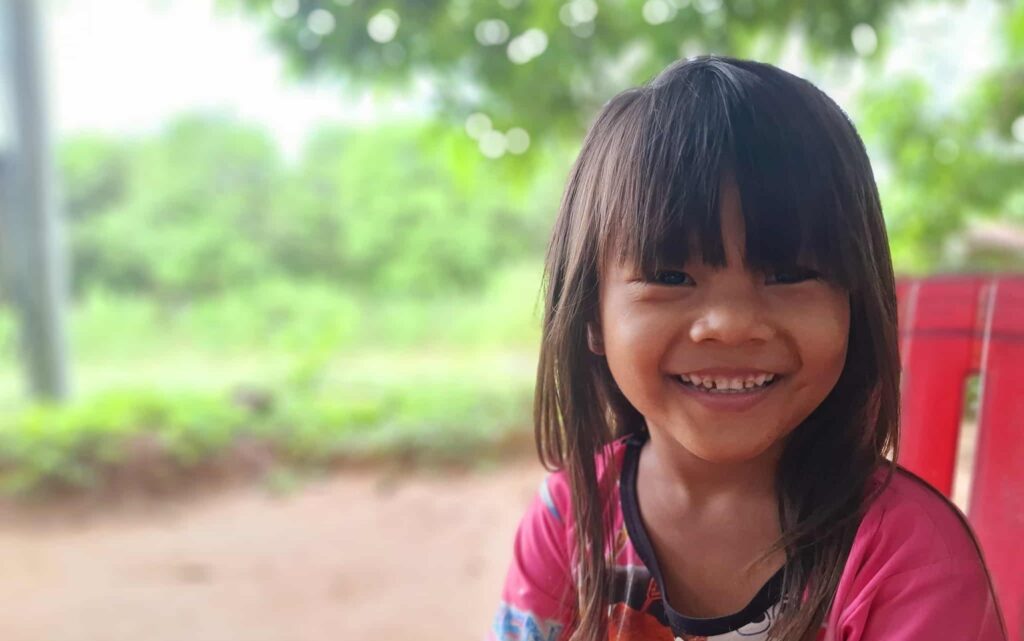
6. Reaching Remote Areas. Mobile libraries — two in Kampot and one in Kep — played a vital role in rural areas with limited access to books, libraries, or internet. By bringing books directly to children, they promoted literacy, curiosity, and imagination, creating equal learning opportunities beyond the classroom.
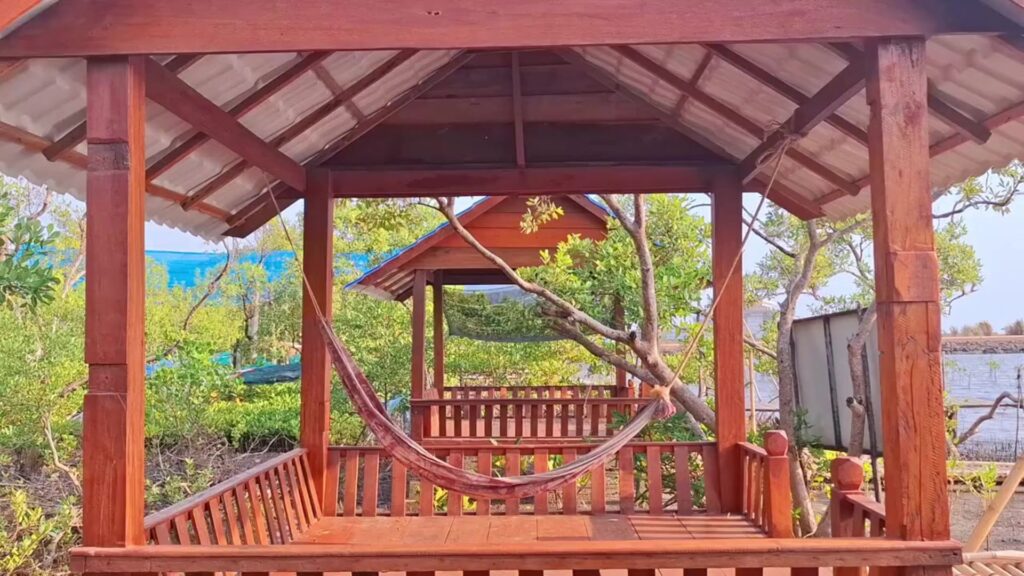
7. Inclusive Livelihood Support. The project supported fishing communities, rural households — including minorities and marginalised groups — school communities, informal workers, entrepreneurs, and individuals engaged in or interested in eco-tourism-based livelihoods.
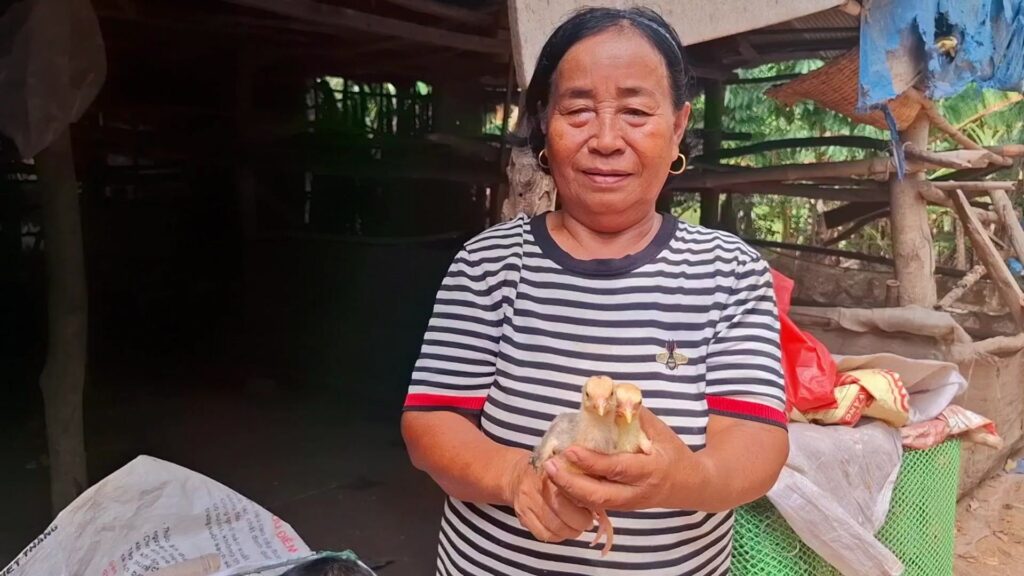
8. Decent Work and Women’s Empowerment. In partnership with the European Union and consortium partners, COSAVED generated opportunities for decent, productive, and dignified work in coastal areas. Particular attention was given to addressing barriers faced by women entrepreneurs and small business owners.
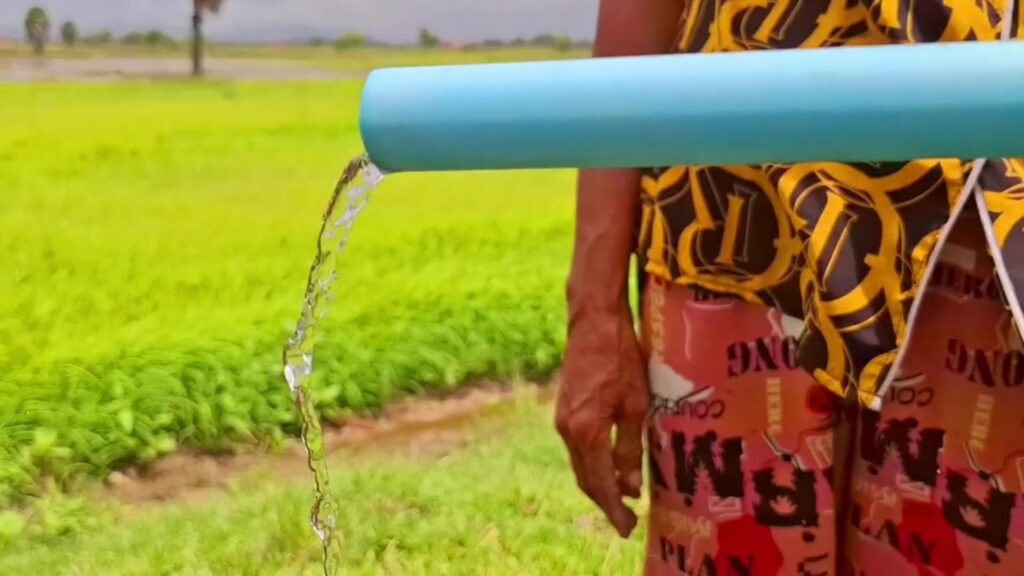
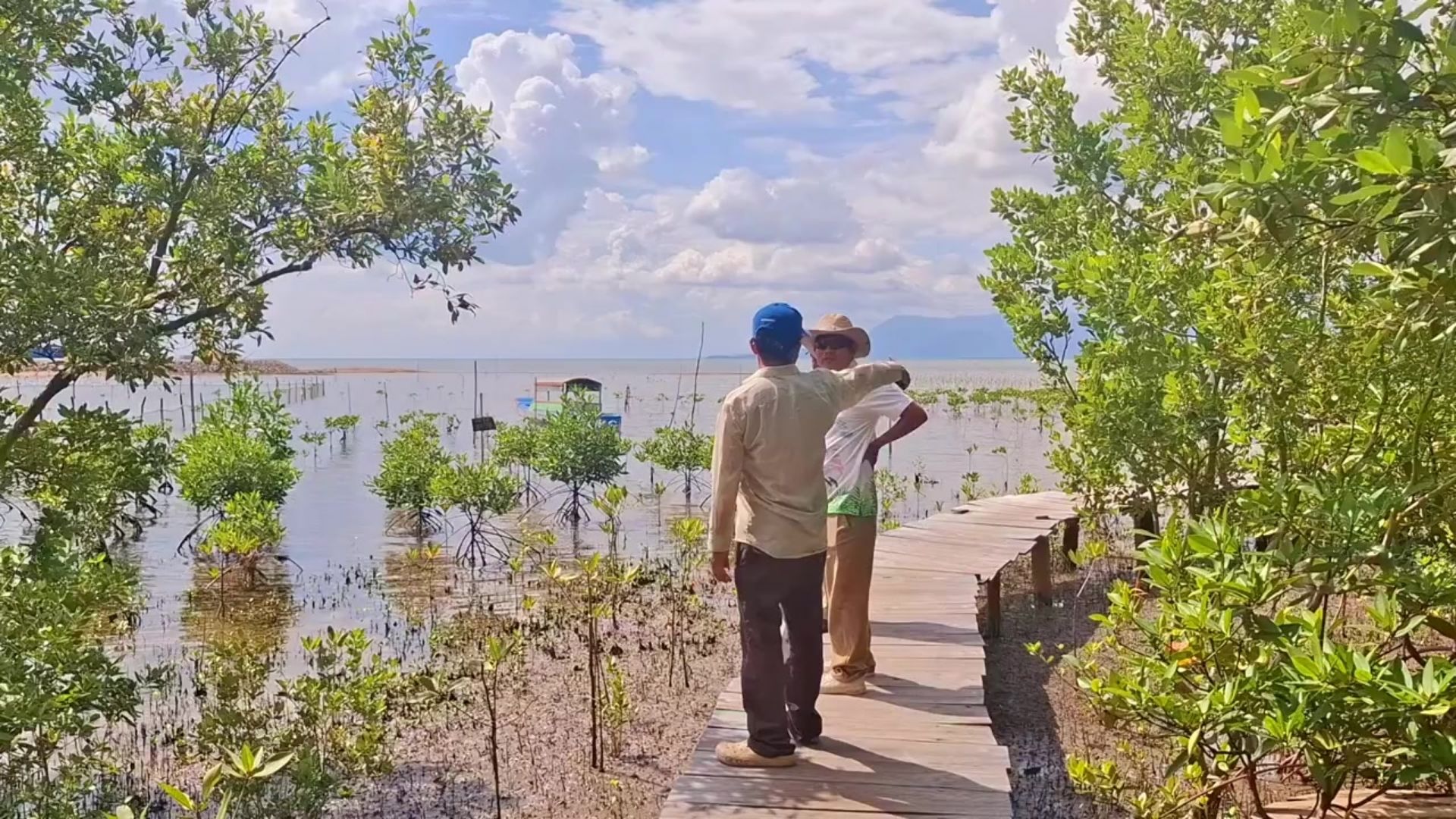
9. Water, Environment, and Local Solutions. COSAVED worked closely with communities and local authorities to address challenges related to water access, waste management, clean energy, environmental conservation, and fisheries resource management. The project also implemented WASH improvements in schools and communities, including latrines, handwashing facilities, and curriculum enhancements.
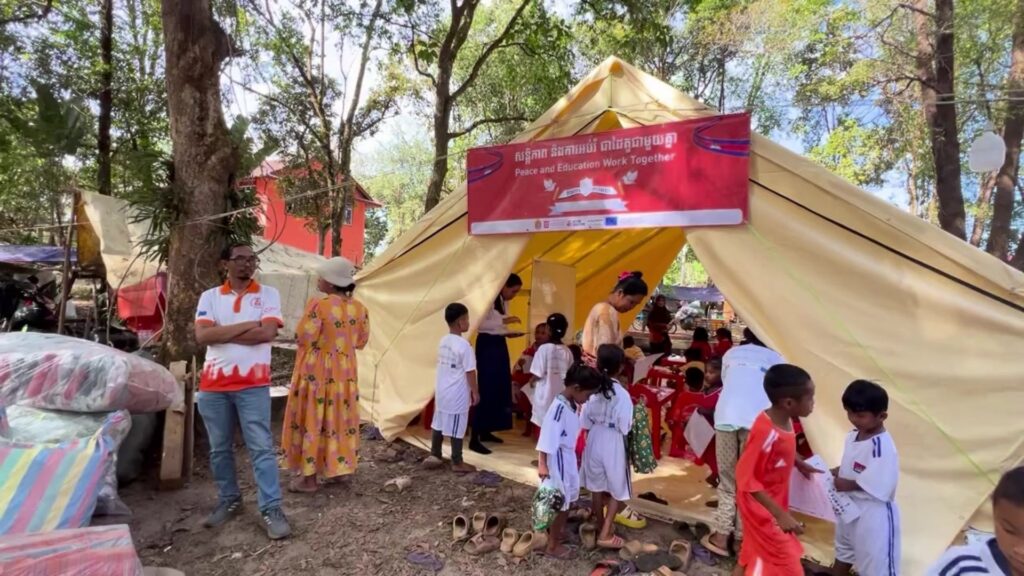
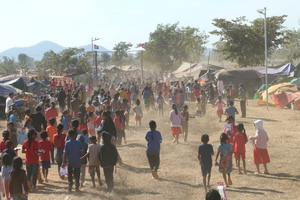
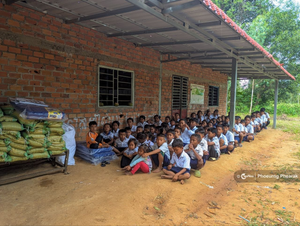
10. Armed Conflict: Emergency Education. In July and December 2025, renewed armed clashes along Cambodia’s border with Thailand displaced hundreds of thousands of people. Action Education / Aide et Action teams responded immediately, delivering tents, food, blankets, school supplies, and establishing temporary learning spaces. When the conflict reached coastal Cambodia in December, emergency support in Koh Kong ensured displaced children could continue learning through enrolment campaigns and education assistance.
2025 was not defined by hardship — but by community-led action along Cambodia’s coast.