
In Cambodia’s coastal provinces, where access to services can be fragile, a simple first aid kit can make all the difference. Healthy children, safe schools, uninterrupted learning.
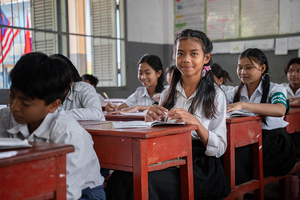
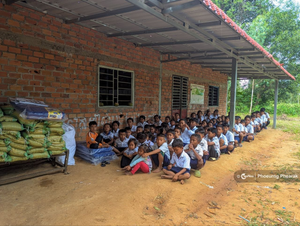
Every morning, children arrive barefoot or in sandals, laughing as they run into their classrooms. Like children everywhere, they trip, fall, scrape their knees, or get bitten by insects. Until recently, many community pre-schools had little to respond with—especially when the nearest health centre was far away.
That changed in January 2026.
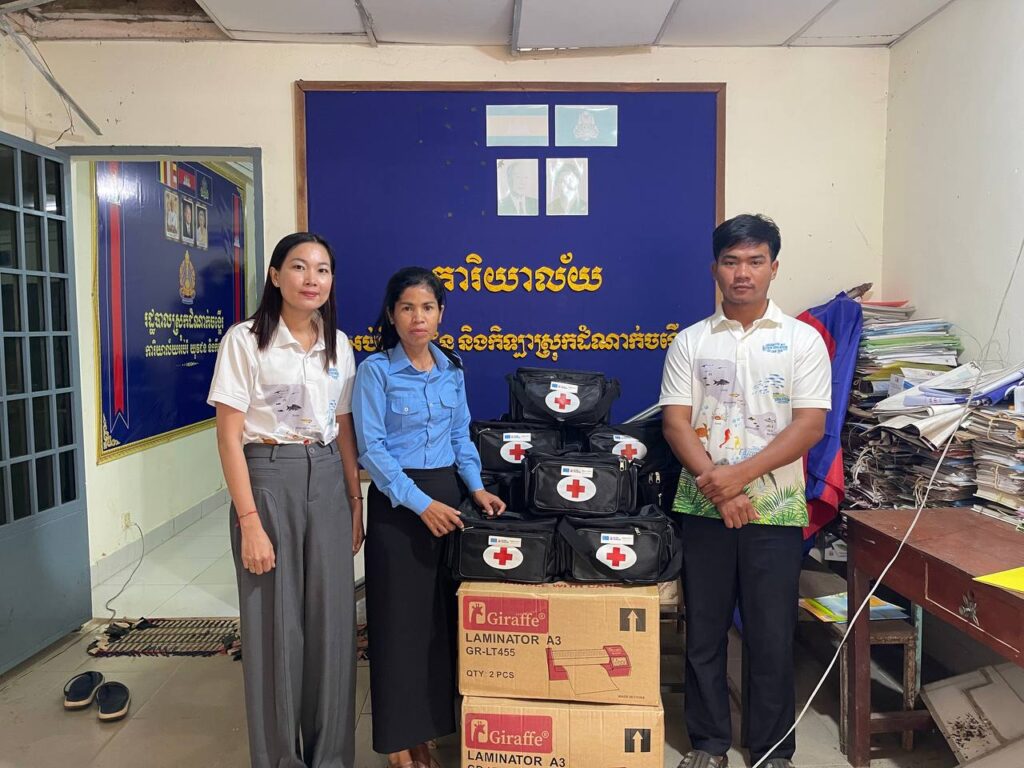
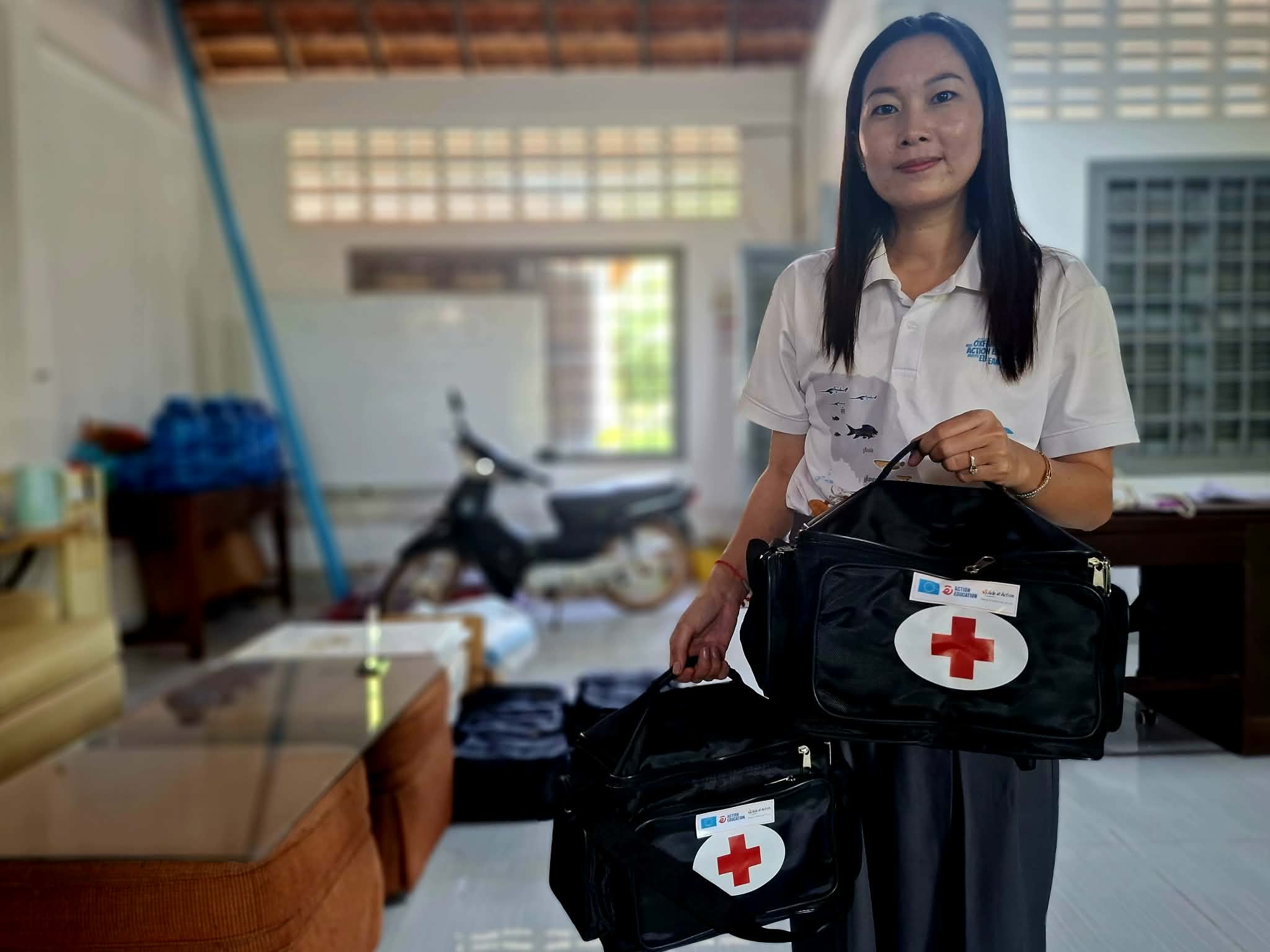
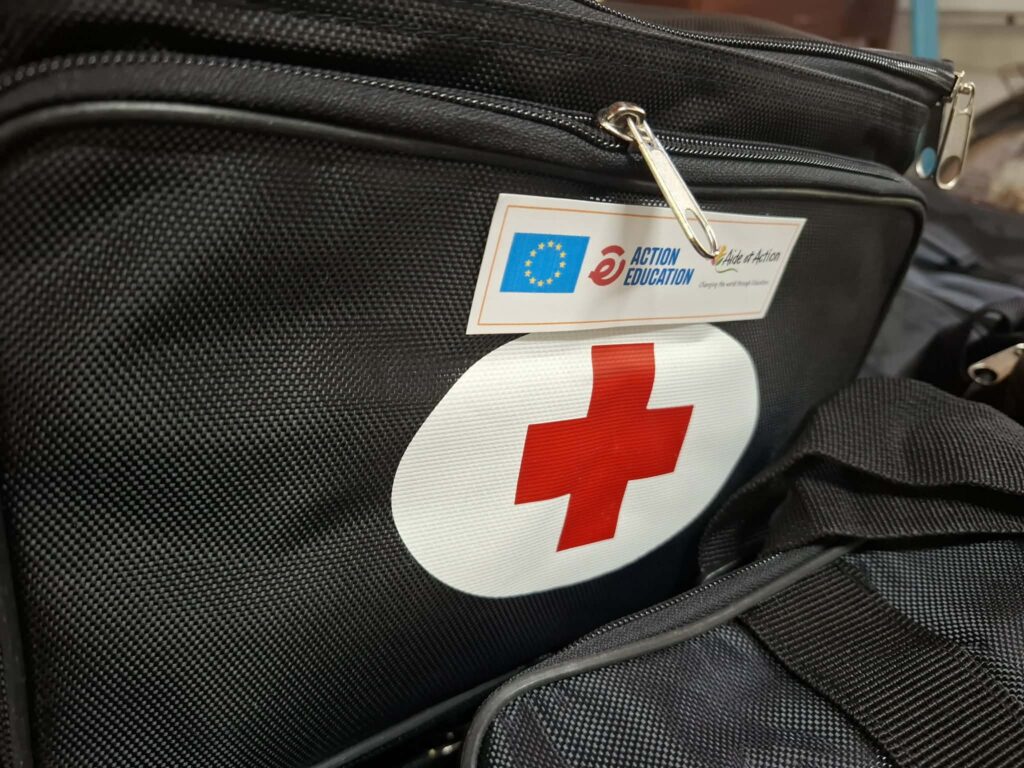
Through its COSAVED project, co-funded by the European Union, Action Education / Aide et Action delivered practical, reassuring first aid kits to community pre-schools. Distributions took place on 2 January in Sihanoukville and Koh Kong, followed by 6 January in Kampot and Krong Kep, reaching all four coastal provinces within the same month.
Reaching Coastal Communities
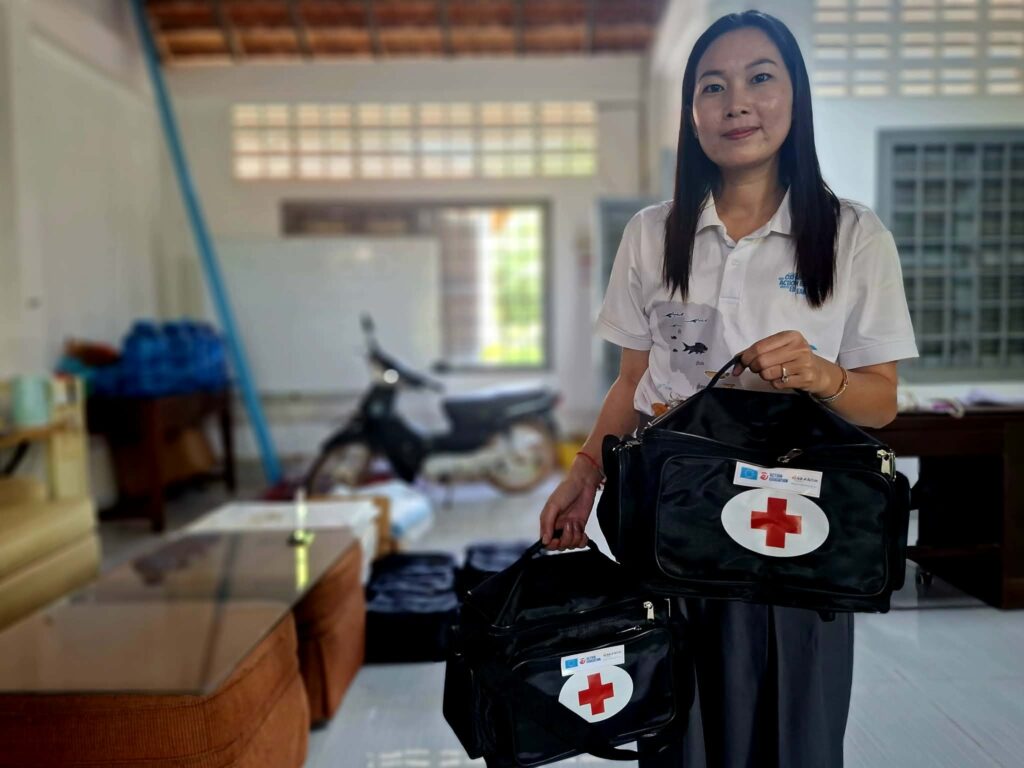
For Rathana Sao, Operations Officer, coverage mattered: “We distributed 139 first aid kits to 139 pre-schools in Kampot, Kep, Sihanoukville and Koh Kong provinces.”
The numbers reflect inclusive reach:
- 49 pre-schools in Sihanoukville
- 34 in Koh Kong
- 29 in Kampot
- 27 in Kep
Together, they represent hundreds of young children learning in areas where distance, infrastructure, and limited emergency services can turn minor injuries into serious concerns.
Inside the Kit: Simple Tools, Immediate Care
Each first aid kit is tailored for pre-school realities.
As Rathana explains,“the first aid kit has 10 kinds of items, such as pure white balm, medicated oil, Betadine, scissors, transparent wound bandages, conforming bandages, sterilised gauze, medical cotton, silk tape and medical gloves.”
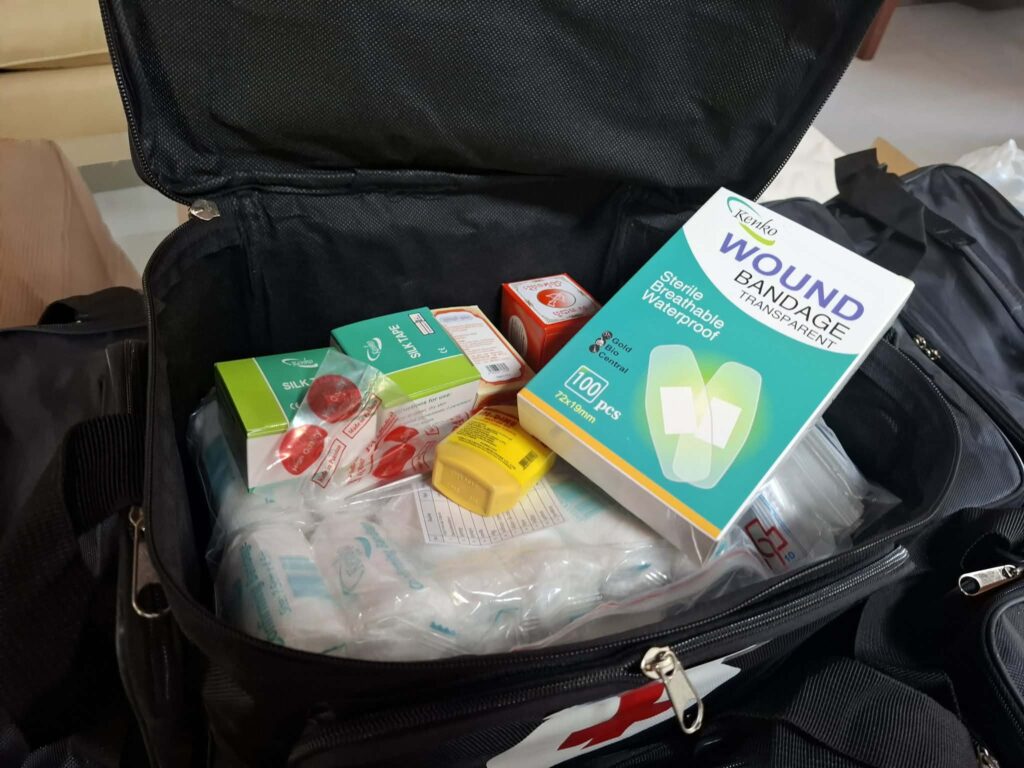
These essential tools allow teachers to act immediately, treating falls, cuts, or insect bites without delay.
Health and Education Hand in Hand
In coastal Cambodia, help is not always nearby. Roads can be difficult, transport limited, and health centres far from small communities. In these moments, rapid response is critical.
For Rathana, the purpose of the kits is clear: “It ensures the safety and well-being of students and staff, providing immediate care when needed most.” This immediacy can prevent infection, reduce pain, and calm frightened children—while reassuring teachers and parents that schools are ready to respond.
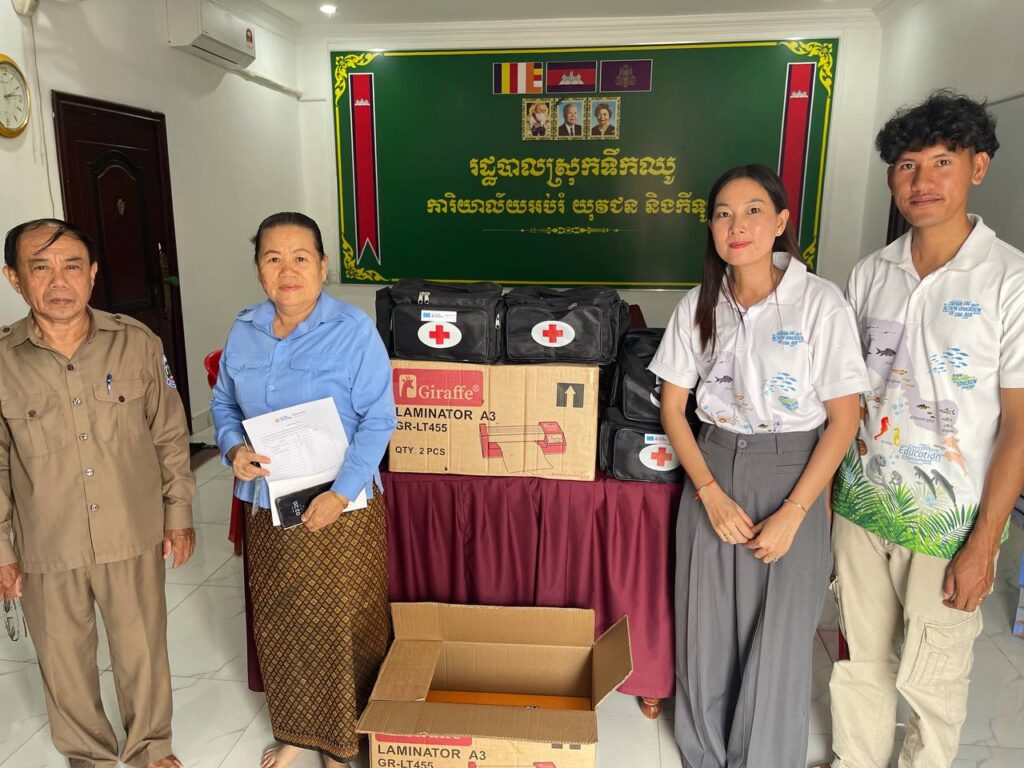
Beyond bandages and gloves, these kits symbolize something larger: safe learning spaces. They help teachers feel confident, children feel protected, and communities trust that schools are prepared.
In environments shaped by seasonal rains, heat, insects, and distance, preparedness is essential. This initiative strengthens child protection where it matters most: at the place where children learn, play, and grow.
Sometimes, the first step toward safety is simple—making care always within reach.