

Improved access to clean water is advancing water justice in eight rural villages across Kampong Trach, in Cambodia’s Kampot province. At the centre of this effort is the Phnom Meas Water Station, run by Mong Hak, which has served as a vital community resource since 2002 and now reaches thousands of households.
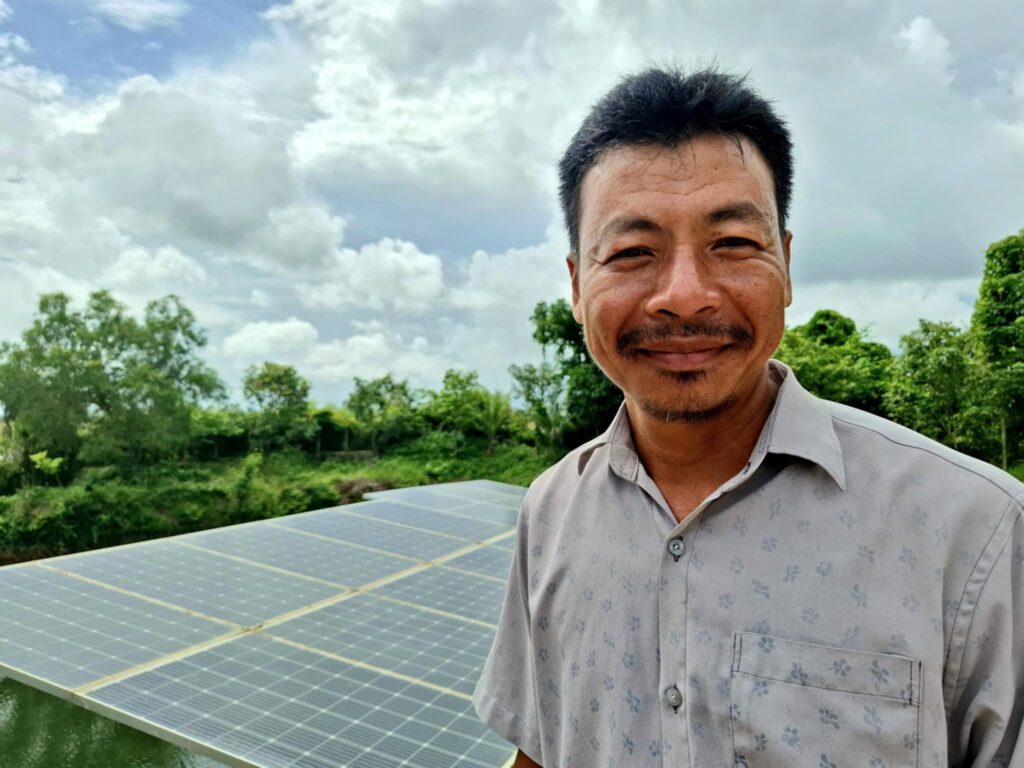
“My name is Mong Hak. I’m the owner of Phnom Meas Water Station, located in Lock village,” he shares.
“We now provide water to eight villages across two communes: Ressey Srok Khang Lock and Svay Tong Khang Tbong. We reach 2,416 families, including 1,808 that are directly connected to the system.”
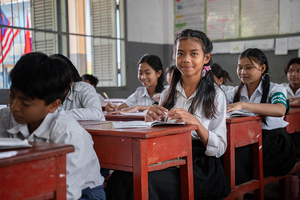
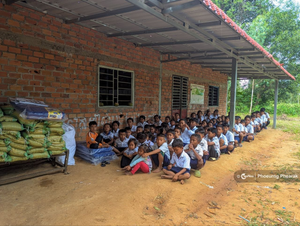
The station does more than supply water to households. It also supports the needs of three primary schools (Lock, Phnom Theov, and Koh Krisna) and one community pre-school (Koh Trach). Access to clean water not only promotes better health, but also strengthens children’s right to education by improving hygiene, school attendance, and learning conditions.
Building Through the Rain: Expanding Coverage and Quality
Despite significant achievements, challenges persist. Four additional schools are still without access to safe water, and connecting the most remote households continues to be difficult due to geographical and structural constraints.
In addition, efforts are underway to enhance water quality standards in line with national certification requirements.
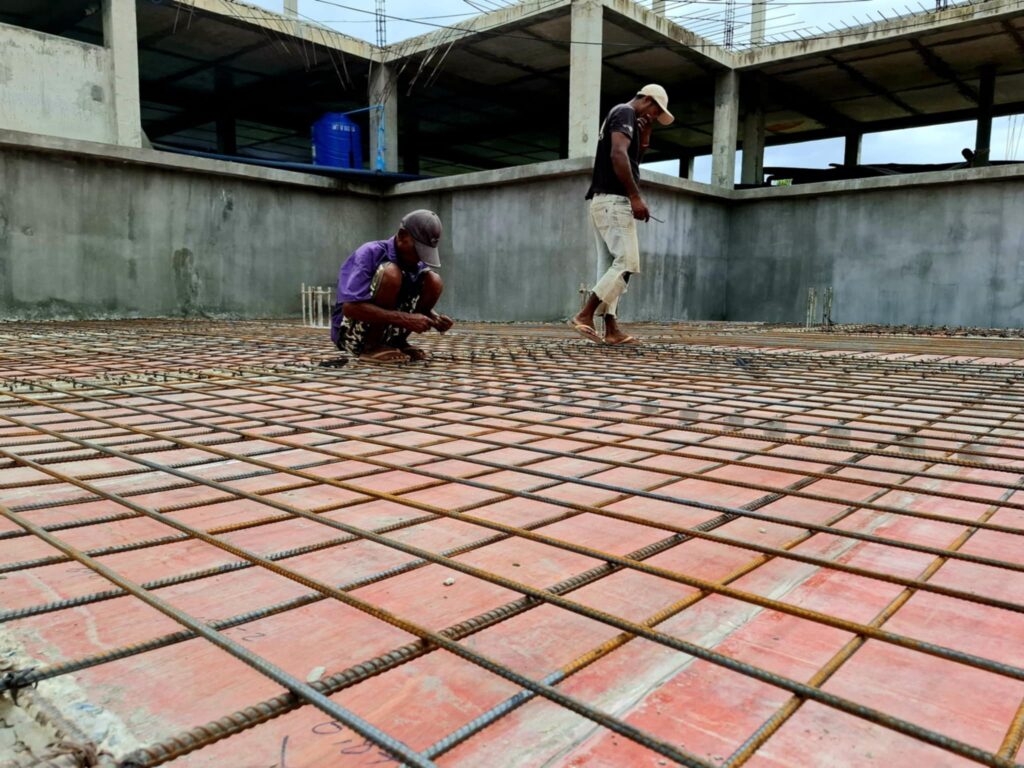
“We are currently carrying out upgrades to improve the quality of water,” says Mong Hak. “We’re using new purification technology and constructing additional storage and filtration systems. This will ensure higher, cleaner water quality.”
However, construction is subject to seasonal delays.
“We expect to complete the work in one month,” he explains. “But during the rainy season, it’s hard for our workers. When it rains too much, we have to pause construction.”
Turning the Tap On: Water Equity in Action
Since 2023, the Phnom Meas Water Station has received significant support from Action Education / Aide et Action under the Consortium for Sustainable Alternatives and Voice for Equitable Development (CO-SAVED), co-funded by the European Union.
“We have received construction materials valued at $60,000 USD,” explains Mong Hak. This investment has enabled the station to connect an additional 1,100 families, many of whom live in remote areas, Koh Krisna primary school and Koh Trach community pre-school.
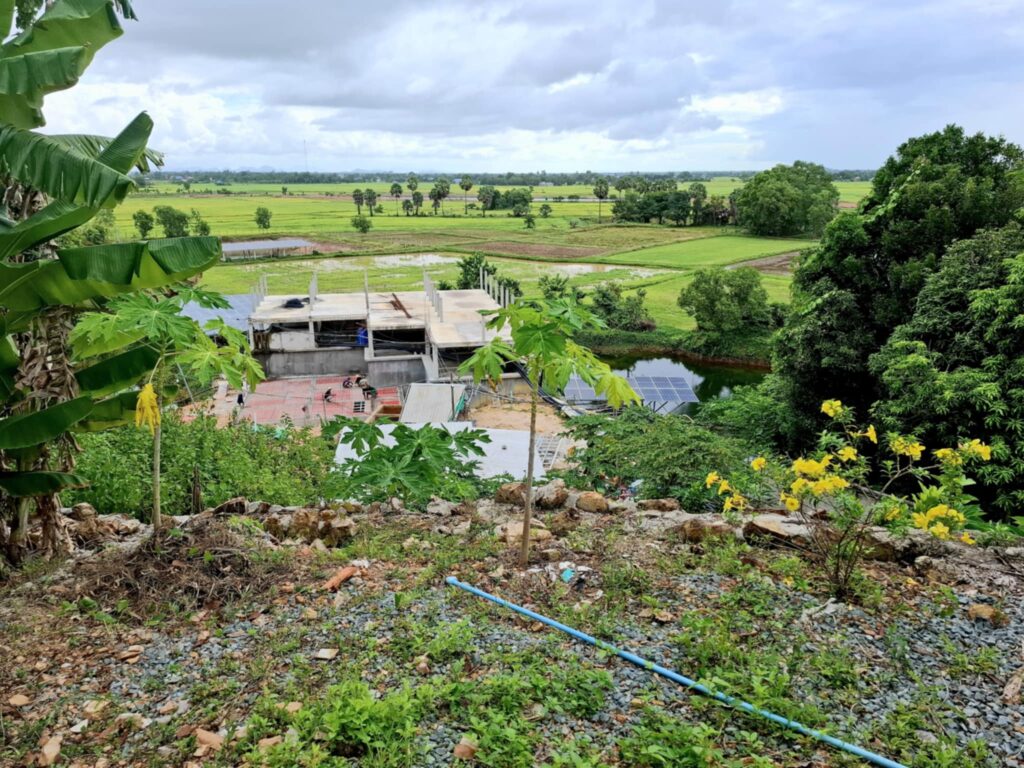
“Only families and Action Education / Aide et Action fund this water station,” Mong Hak notes. “Families contribute $50 to be connected, or $15 for those in poverty. Schools are connected free of charge.”
From Father to Son: Sustaining a Community Resource
The water station has been a family legacy since its foundation. Mong Hak took over operations following the passing of his father in 2006. “I got this business from my father. After he passed away, I had no choice but to take over,” he recalls.
“I now manage the station with four permanent staff and rely on construction workers when needed.” Despite financial and logistical challenges, Hak remains committed to serving his community.
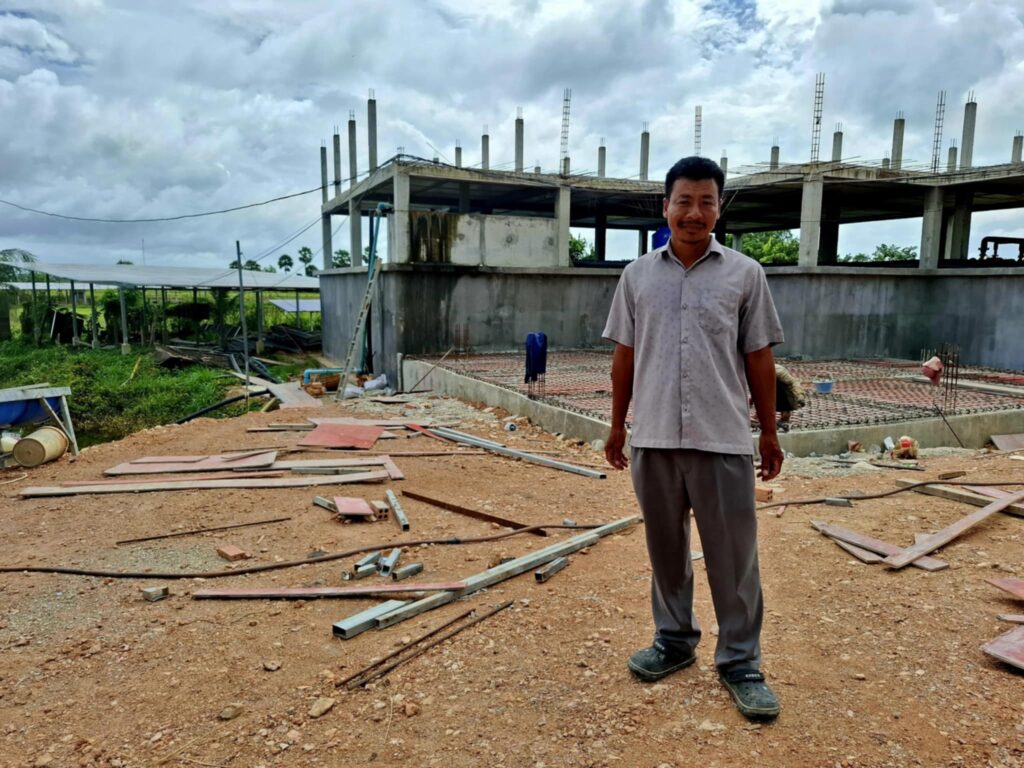
“There are many poor families in these areas who lack access to water,” he says. “Providing water makes me happy.” As a result, clean, safe, and affordable water is no longer a distant dream for many families in Kampong Trach — it is becoming a daily reality.
This demonstrates how partnerships between local leadership and international development actors can help address structural inequalities in access to water. Together, we are contributing to the achievement of Sustainable Development Goal 6: Ensure availability and sustainable management of water and sanitation for all.