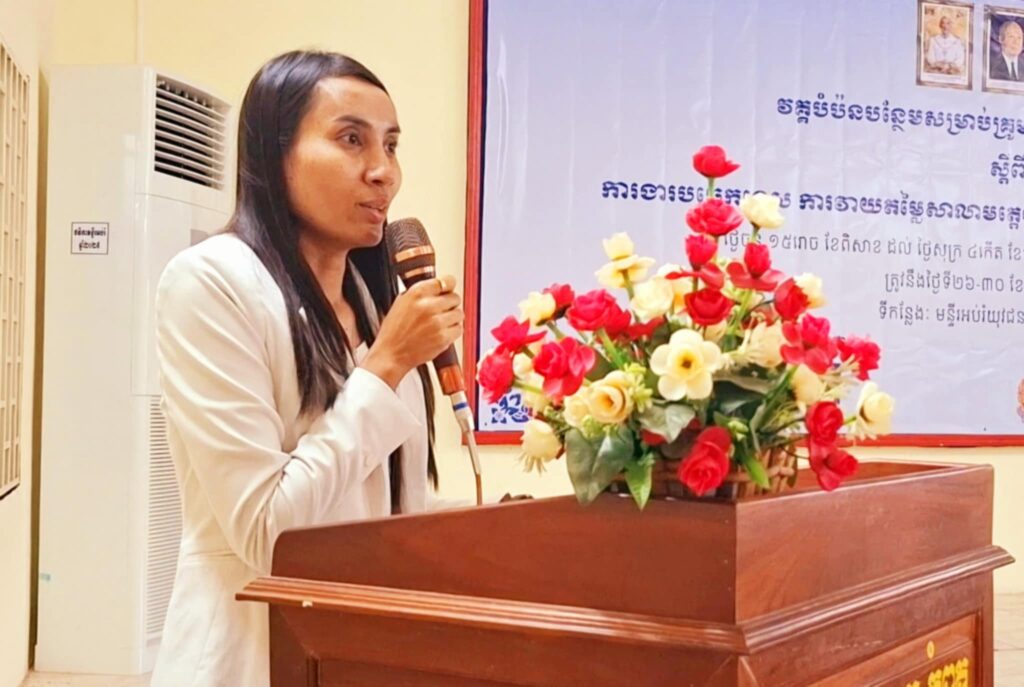
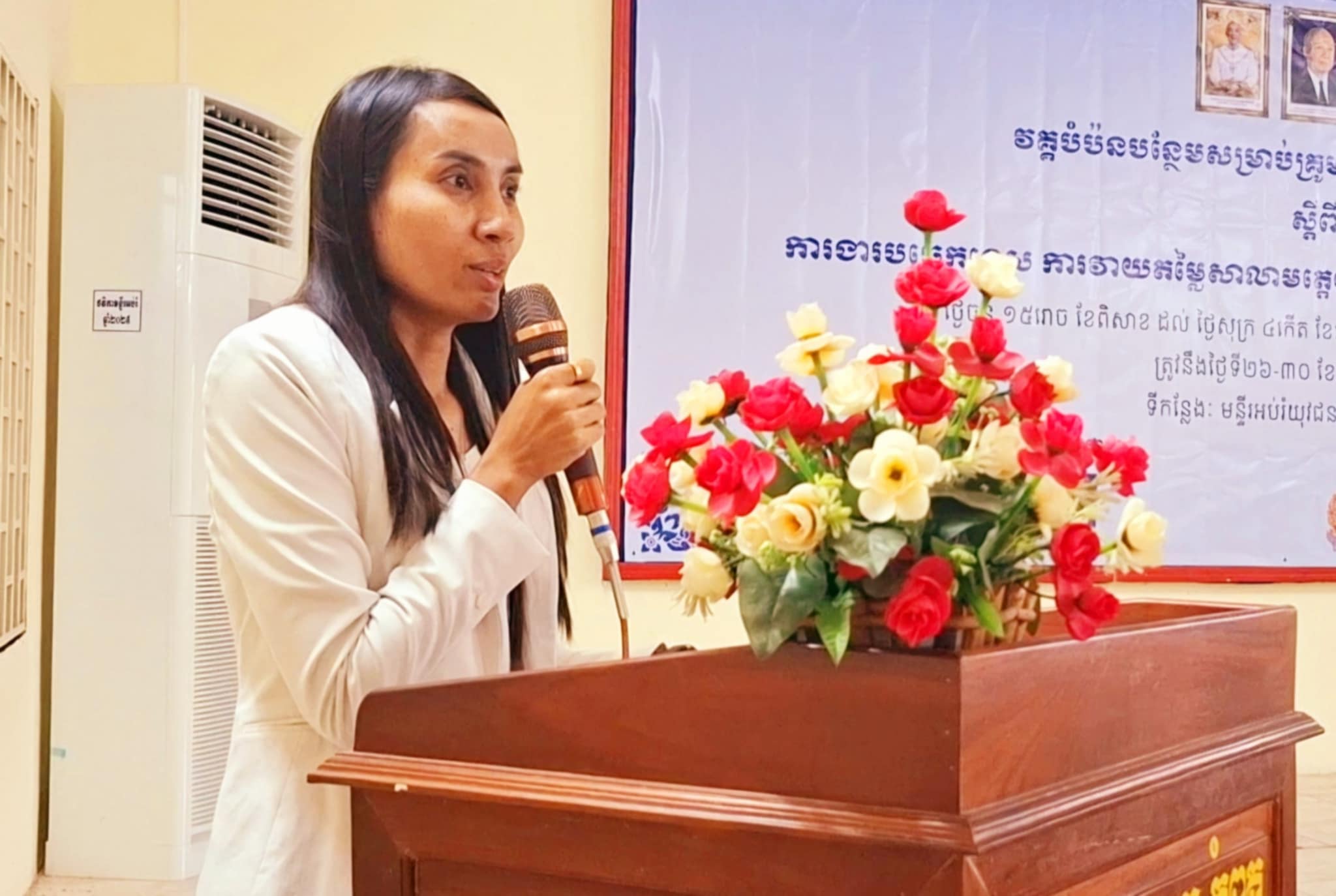

Ahead of World Youth Skills Day on 15 July 2025, Ann Channy, Monitoring and Evaluation (M&E) Field Officer with Action Education / Aide et Action (AEA), celebrates the brilliant young women who are rising through service. Channy shares how these young volunteers are driving positive change in Cambodia, and what it takes to equip, mentor, and empower them to lead with a sense of purpose and civic responsibility.
Why is it important to engage youth volunteers in community-based work?
Youth volunteering is incredibly powerful—not only for the community, but also for the young people themselves. It’s a form of capacity building that strengthens key soft skills such as communication, teamwork, and problem-solving. More importantly, it helps build confidence and self-esteem. When young people are trusted with real responsibilities, they begin to trust themselves.
Volunteering also helps young people connect more deeply with their communities. This connection is vital—not just for social progress, but for their mental and emotional well-being. They don’t just contribute; they belong, and that sense of purpose can be life-changing.
Beyond personal growth, youth engagement helps normalise volunteerism and nurtures a culture where young people see themselves as active agents of change. They become role models who inspire others to step up.
What criteria do you use to select youth volunteers for these roles?
We look for a combination of availability, commitment, and character. Volunteers need to be highly dedicated because the work involves field visits and collaboration with multiple stakeholders—from school directors to local authorities.
We also consider:
- Relevant skills or past experience
- A positive attitude and behaviour
- A strong interest in learning and engaging with the project
- Even if someone doesn’t have formal experience, a willingness to learn and grow is often the most important factor.
What kind of work are these volunteers doing on the ground?
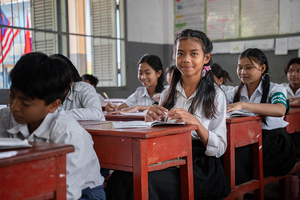
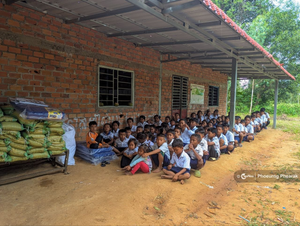
Their contributions are essential. Volunteers support the implementation of project activities—especially those related to Early Childhood Care and Education (ECCE). Some of their key responsibilities include:
- Communicating with school directors and teachers to gather supporting documents and school information
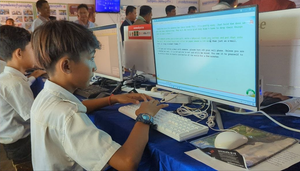
- Entering data into project systems
- Reviewing and verifying documents, including school reports and activity expenses
- Tracking and recording beneficiary information
- Coordinating the logistics of community-based activities
This may sound technical, but it’s deeply impactful. Their work helps ensure that services reach the children who need them most—and that our records remain accurate and accountable. It’s also an incredible opportunity for them to develop technical and leadership skills in real-world settings.
How have you seen volunteering transform the lives of youth participants?
We’ve seen shy, quiet young people grow into confident speakers and leaders. Many start out unsure of their capabilities. But over time, as they take on responsibilities and see their efforts create real change, they develop confidence, a sense of ownership, and pride in their contribution.
In many cases, volunteering is a stepping stone to further education, better employment opportunities, or even leadership roles in their communities.
That’s the power of investing in youth—they don’t just change their own lives; they help reshape the future of their communities.