
Access to clean, safe drinking water remains a critical challenge for many remote communities in Cambodia. Water inequity impacts health, education, livelihoods, and well-being. Bridging this gap is essential for dignity and resilience—so we build sustainable water filtration systems where it’s needed.
Everyday water use in high-income settings contrasts sharply with the reality faced by rural communities of the Global South. In Europe, clean water is routine. In rural Cambodia, it’s resilience.
- A single toilet flush in Europe uses nearly three times the amount of clean water that a person in rural Cambodia drinks in an entire day.
- A single hotel guest in Europe uses over four times more water per day than a person in rural Cambodia for drinking, cooking, cleaning, and hygiene.
- Many Cambodian families walk over an hour each day to collect water — a task that takes just 2 seconds at the tap in Europe.
This divide isn’t just international. Even within Cambodia, stark inequalities exist between rural communities and luxury tourism settings.
- Even a modestly sized resort pool contains enough water to meet the daily needs of over 1,400 people in rural Cambodia.
- A luxury hotel room’s daily toilet flushes use the equivalent of a full day’s drinking water for 30 people.
- A single 15-minute shower in a luxury resort uses as much clean water as a rural Cambodian needs in an entire day — for essential needs such as washing, cleaning, cooking and drinking — and may spend hours collecting water.
Water inequity highlights deep global and local disparities. While some easily access abundant clean water or overconsume it, many must spend hours collecting a fraction of that for basic needs. This stark contrast highlights the urgent need to rethink how water is valued, shared, and made accessible.
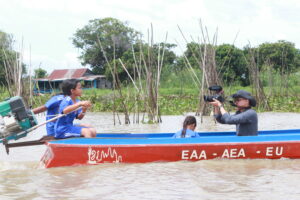
Water issues are also a significant barrier to health and education. Despite Cambodia’s progress in water infrastructure, many rural areas still rely on untreated water sources vulnerable to contamination. In Koh Kong’s remote villages, this often leads to waterborne illnesses, missed school days, and diminished quality of life.
Children are particularly at risk, as unsafe water directly affects their growth and ability to learn.
Water Justice in Action
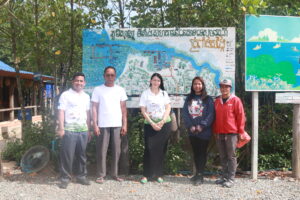
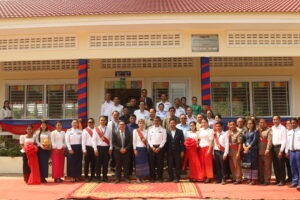
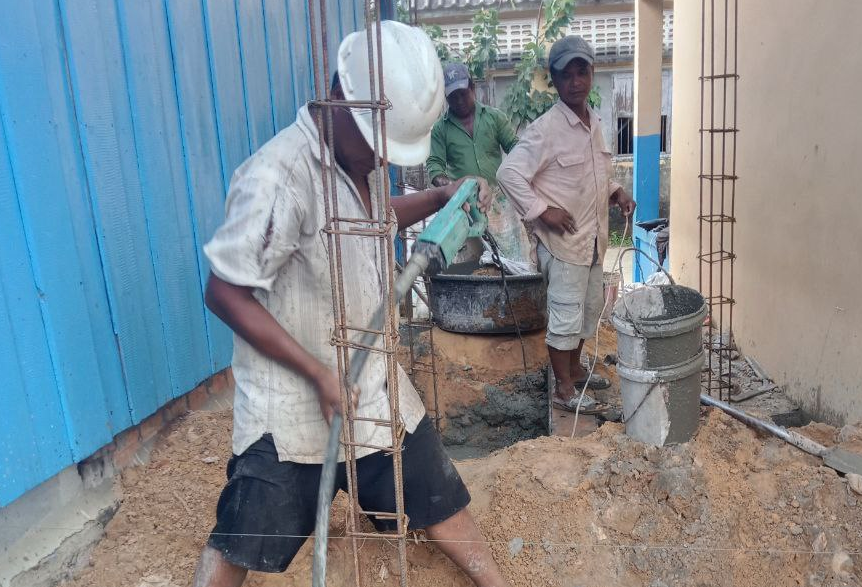
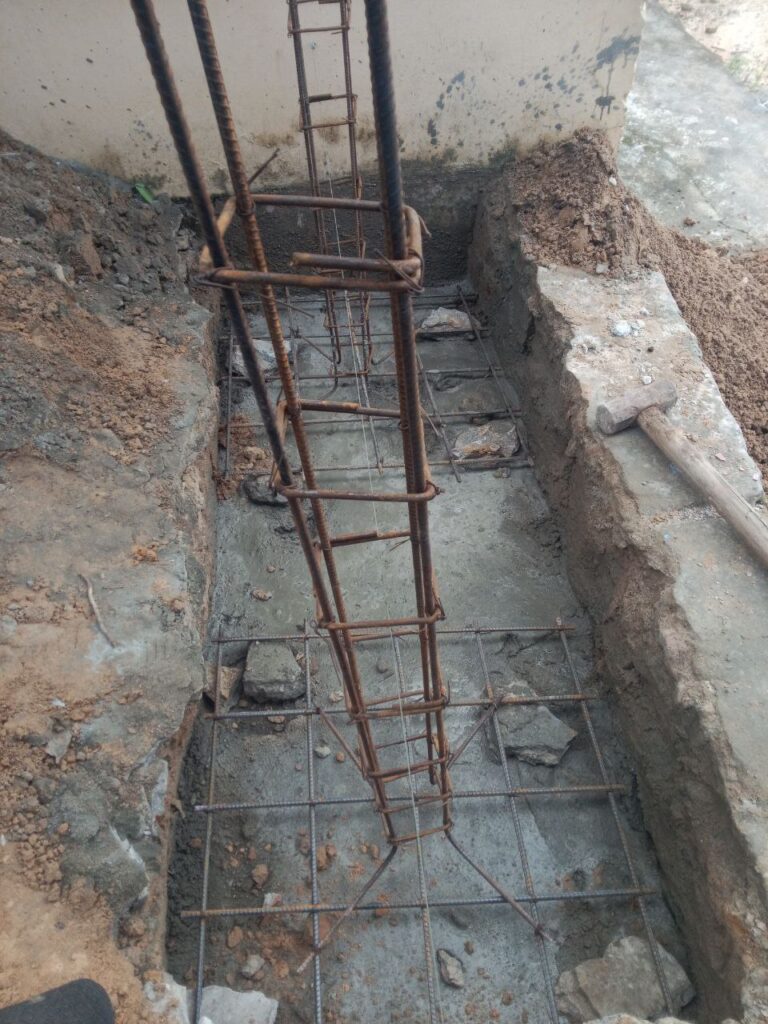
Under the Consortium for Sustainable Alternatives and Voice for Equitable Development (CO-SAVED), which is co-funded by the European Union (EU), Action Education / Aide et Action (AEA) recognizes this urgent need. We conduct a vital project to construct the foundations for water filter systems in local communities and schools in Koh Kong. This initiative aims to provide reliable access to clean water, empowering residents and children to thrive.
For example, we have started to build the foundation of a water filtration system that will provide safe drinking water directly to a primary school on Koh Sdach island to drastically reduce waterborne diseases.
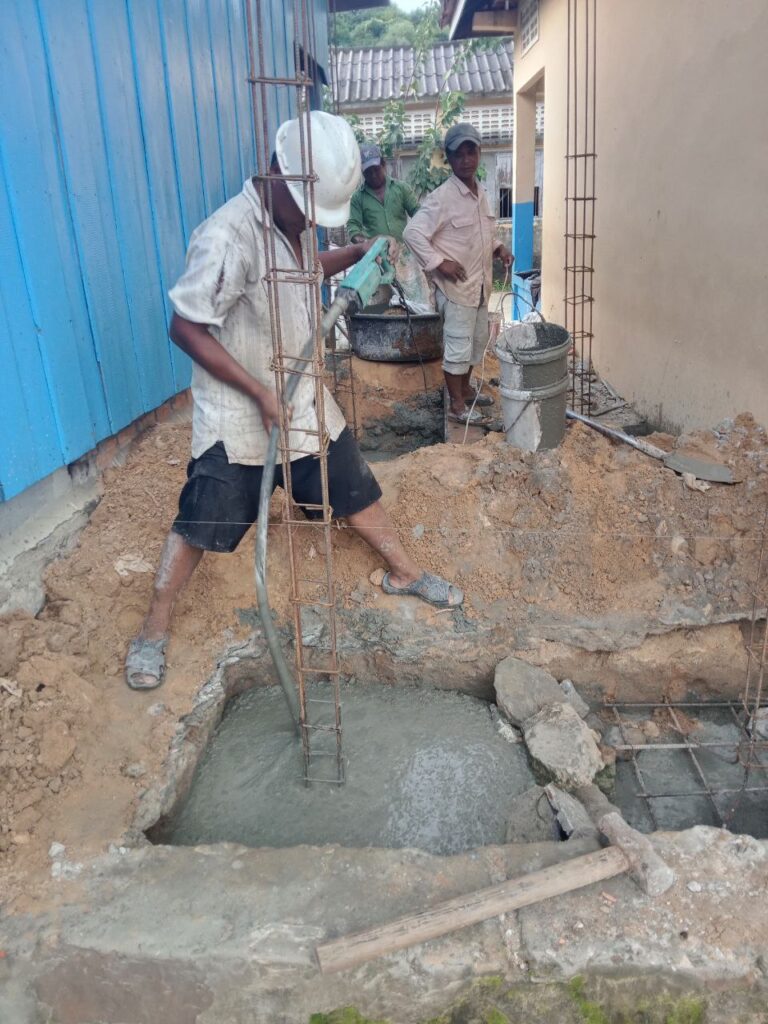
This project of water filtration systems in schools and communities in Koh Kong is more than just infrastructure; it is a step toward equity, health, and opportunity.
Sustaining this progress requires ongoing community engagement and education about water hygiene practices in the region. We remain committed to partnering with local stakeholders to maintain the system and expand clean water access to more communities across Cambodia.
Together, we are building not just foundations of concrete, but foundations of hope and resilience. Let’s bring clean water to schoolchildren and those who need it most.
KEY FIGURES: SOURCES AND REFERENCES
Water inequity: Europe and Cambodia
- According to Toilet Life, each toilet flush uses around 6–9 litres of clean water in Europe (e.g. the UK). According to a 2021 study by Saret Bun et al., the average daily drinking water consumption per person in Preal commune, a rural area in Cambodia, is approximately 2.4 litres.
- According to Water Eco Jet, the average water consumption in hotels in Europe is 290 liters per person per day. According to a 2021 study by Saret Bun et al., the average daily water consumption in Preal commune, a rural area in Cambodia, is approximately approximately 70 L per day, which includes drinking, cooking, cleaning, and hygiene.
- According to UNICEF, a mother from Ratanakiri province describes walking an hour each way to reach the nearest stream to collect household water. Another UNICEF report from Kandal province shares the story of a 12-year old who walked multiple trips every morning, carrying a heavy bucket over several hundred metres—up to 10 times a day.
Water inequity in Cambodia
- A resort swimming pool measuring 30 meters by 10 meters with an average depth of 1.5 meters holds approximately 450,000 liters of water. According to a 2021 study by Saret Bun et al., average daily domestic water use in Preal commune is approximately 70 L per person, or about 313 L per household.
- A standard toilet flush in Europe (e.g., 6–9 L) is typical for modern hotels in Southeast Asia.
A hotel guest often uses the toilet 6–10 times per day, amounting to 42 to 70 L. According to a 2021 study by Saret Bun et al., the average daily drinking water consumption per person in Preal commune, a rural area in Cambodia, is approximately 2.4 litres.
- Luxury resort showers often have high flow rates. For instance, a study on hotels in Vietnam found that the average shower usage was 69.6 liters per room per day. Assuming a 15-minute shower, this equates to approximately 4.64 liters per minute. According to a 2021 study by Saret Bun et al., average daily domestic water use in Preal commune is approximately 70 L per person, or about 313 L per household.