
Education doesn’t just inform—it empowers. A clear and compelling example of this? Teaching handwashing in schools. It demonstrates how small steps can lead to lasting improvements in quality of life.
Empowerment is often seen as a lofty goal—something we strive for but that can feel difficult to define or measure. Yet in low-resource settings, teaching basic practices can lead to extraordinary results in public health. At its core, empowerment follows a cycle: Education → Action → Change → Education.
It All Starts With Education
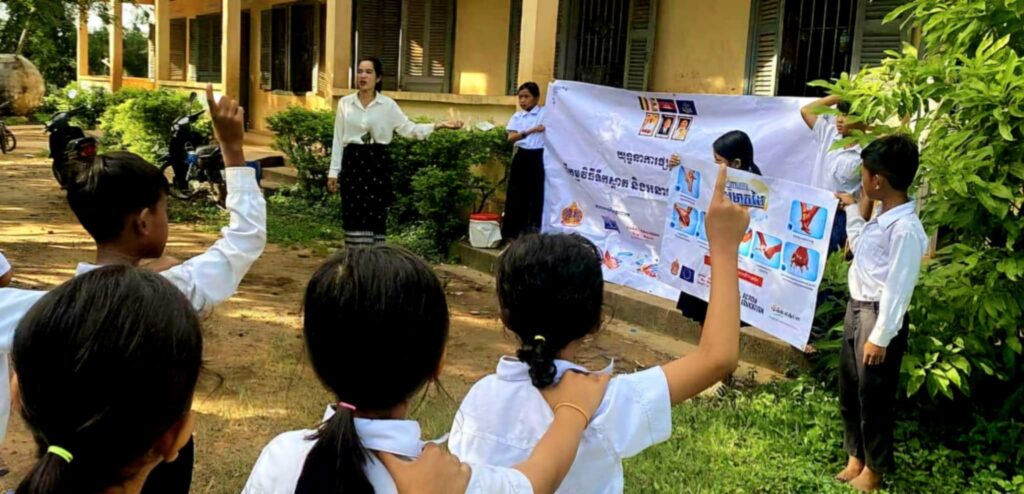
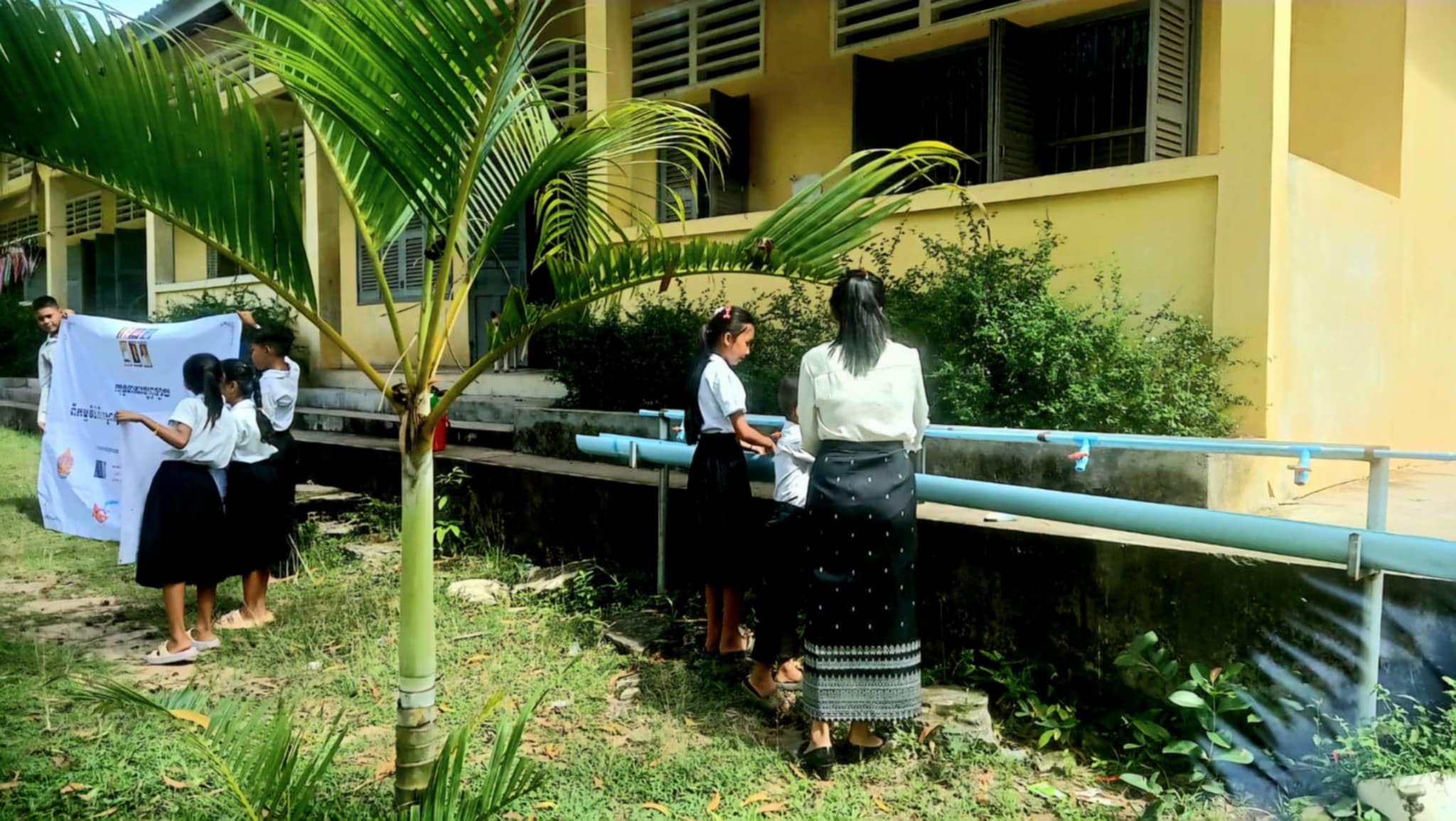
When children learn the simple but vital act of handwashing—how it removes germs, prevents illness, and protects their loved ones—they gain essential knowledge. Through sessions with demonstrations, posters, and engaging lessons, students discover that they have the power to take charge of their own health through simple actions. That’s how confidence is born—through knowledge.
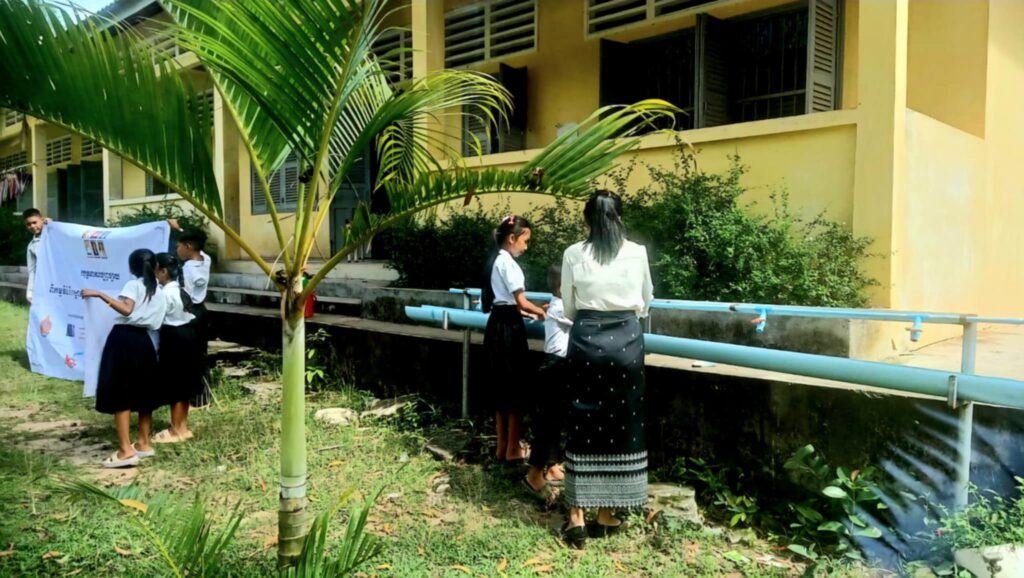
Action: From Learning to Leading
At this stage, teachers and caregivers play a crucial role by modelling handwashing and reinforcing it as a positive routine. Empowerment becomes real when knowledge turns into daily habits. With support from schools—clean water, soap, and time to practise—children begin to wash their hands regularly.
This is when they move from being learners to leaders in their own health.
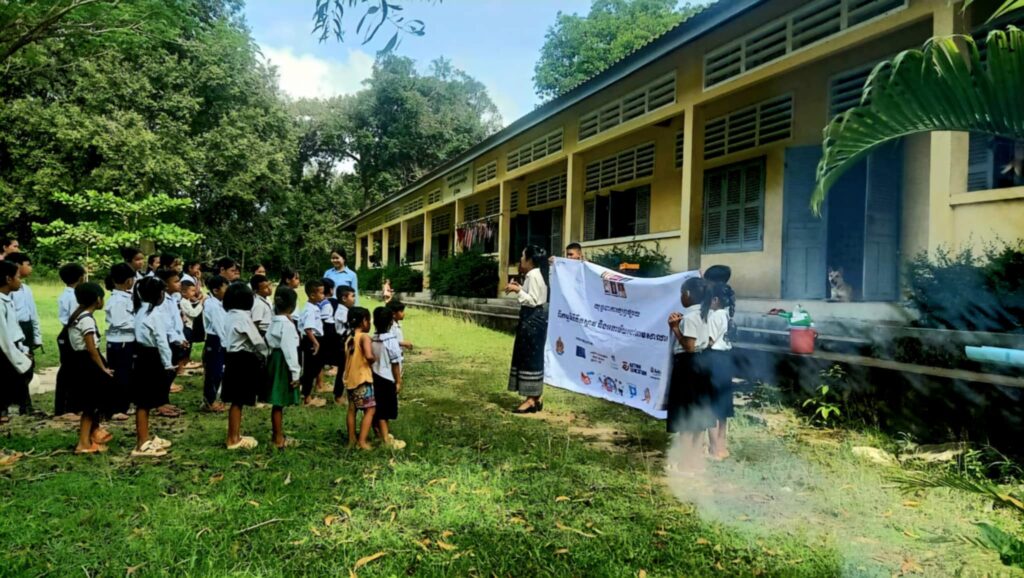
Change: Health and Community Resilience
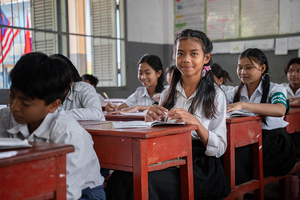
Proper handwashing reduces cases of diarrhoea, respiratory infections, and school absences. As a result, children can concentrate better in class, stay in school longer, and help ease the financial burden on families. Importantly, these children become messengers—bringing the habit home, influencing siblings, parents, and neighbours.
This is the essence of change: one empowered child, one empowered family, one empowered community.
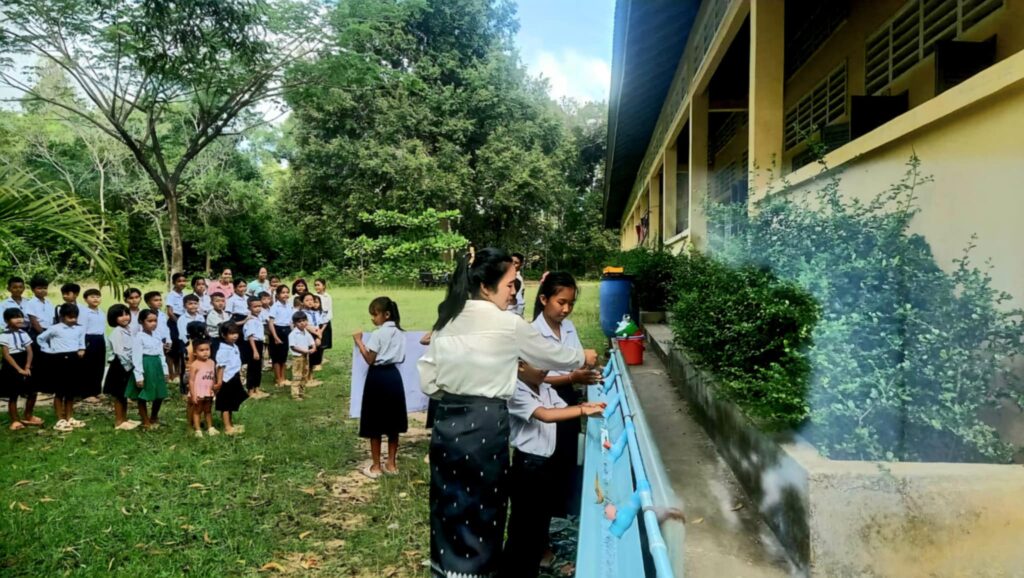
Empowering Education: A Reinforcing Loop
Change, in turn, leads back to education. As the benefits of handwashing become visible—fewer sick days, better school performance—communities are more motivated to continue and expand hygiene education. Each cycle reinforces the next, making education more impactful and ensuring that progress is sustainable.
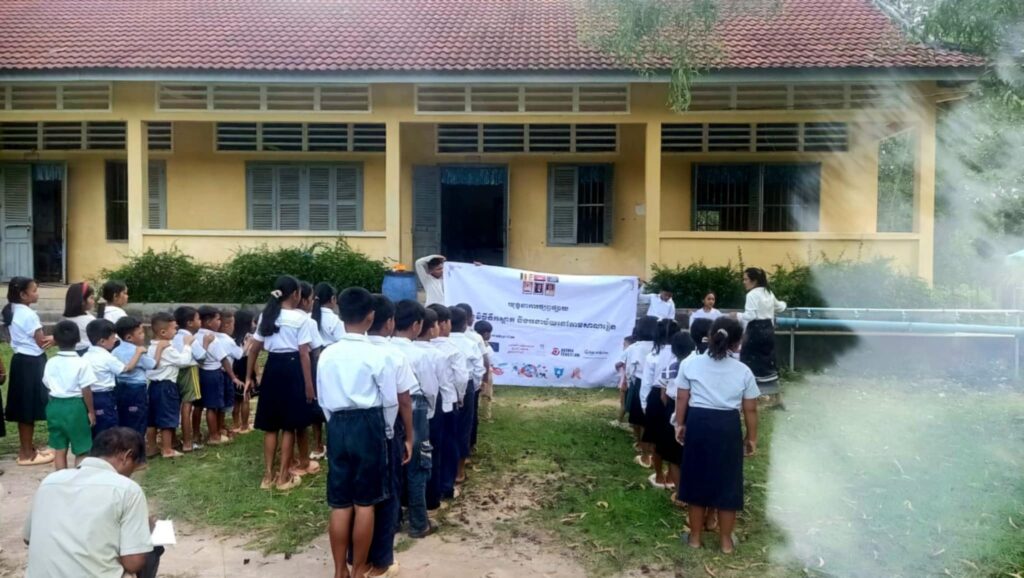
From a simple lesson in handwashing to a powerful shift in public health, education is the foundation. Under the CO-SAVED project which is co-funded by the EU, Action Education / Aide et Action isn’t just raising awareness—it’s creating a self-sustaining loop of knowledge and action.
Together, we’re raising a generation that takes health into its own hands.