
In Cambodia’s Kampot province, sustainable aquaculture offers the potential to protect vulnerable coastal communities, preserve fragile marine ecosystems, and foster new opportunities for eco-tourism and community wellbeing.
Overfishing places pressure on marine biodiversity and threatens the livelihoods of fishing communities. Sustainable aquaculture presents a practical, environmentally responsible, and sustainable alternative.
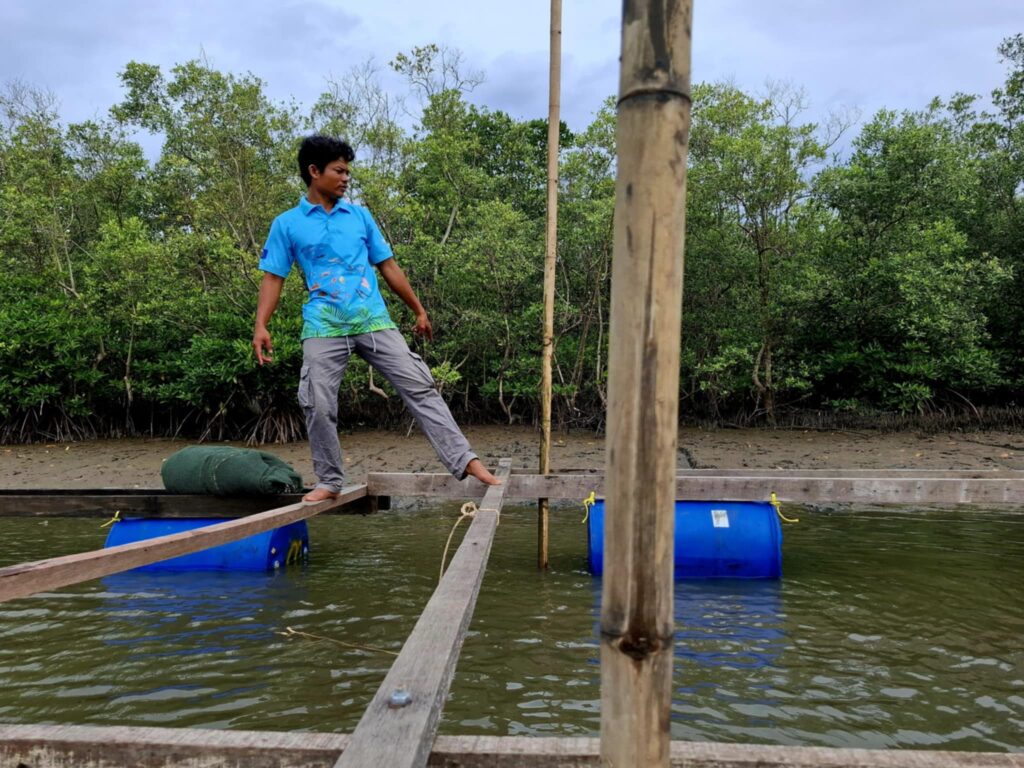
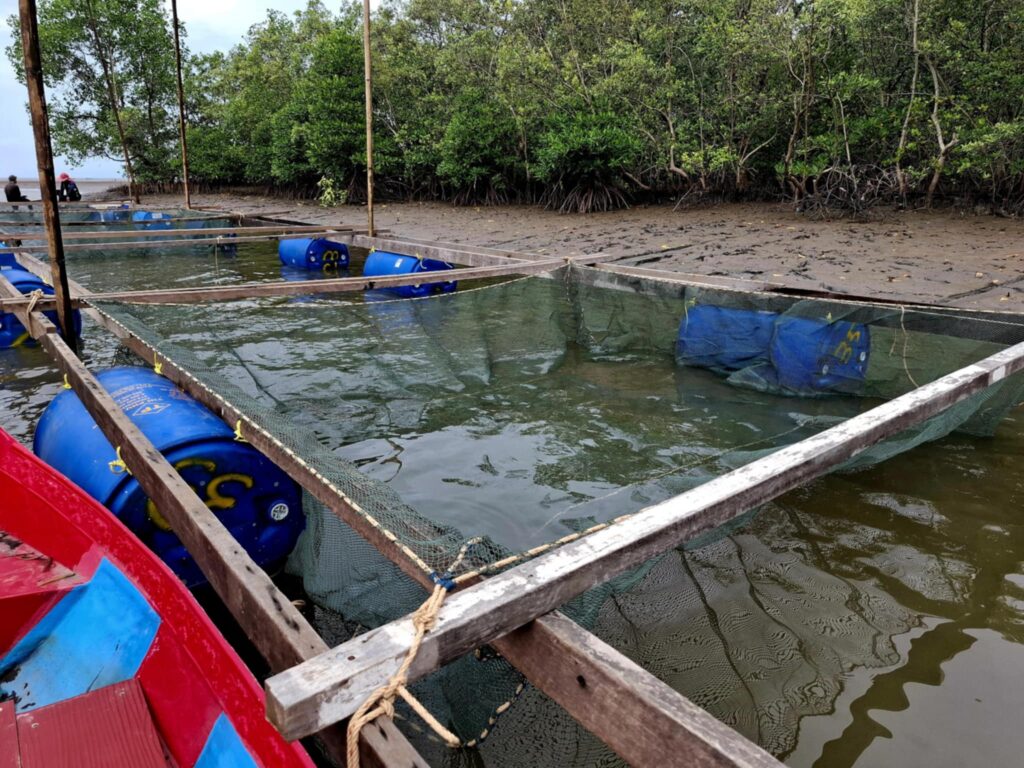
By cultivating species such as seabass and crabs, communities can meet the growing demand for seafood without further depleting wild fish stocks.
Action Education / Aide et Action (AEA) supports these communities by tackling challenges related to environmental impacts, market access, and technical expertise through training and provision of material support.
With careful management, sustainable fish farming can unlock valuable economic opportunities while protecting natural resources.
Notably, aquaculture requires less feed, water, and energy than conventional livestock farming and produces significantly fewer greenhouse gas emissions than red meat production—providing a sustainable source of protein that supports nutrition, contributes to climate mitigation, and bolsters local economies.
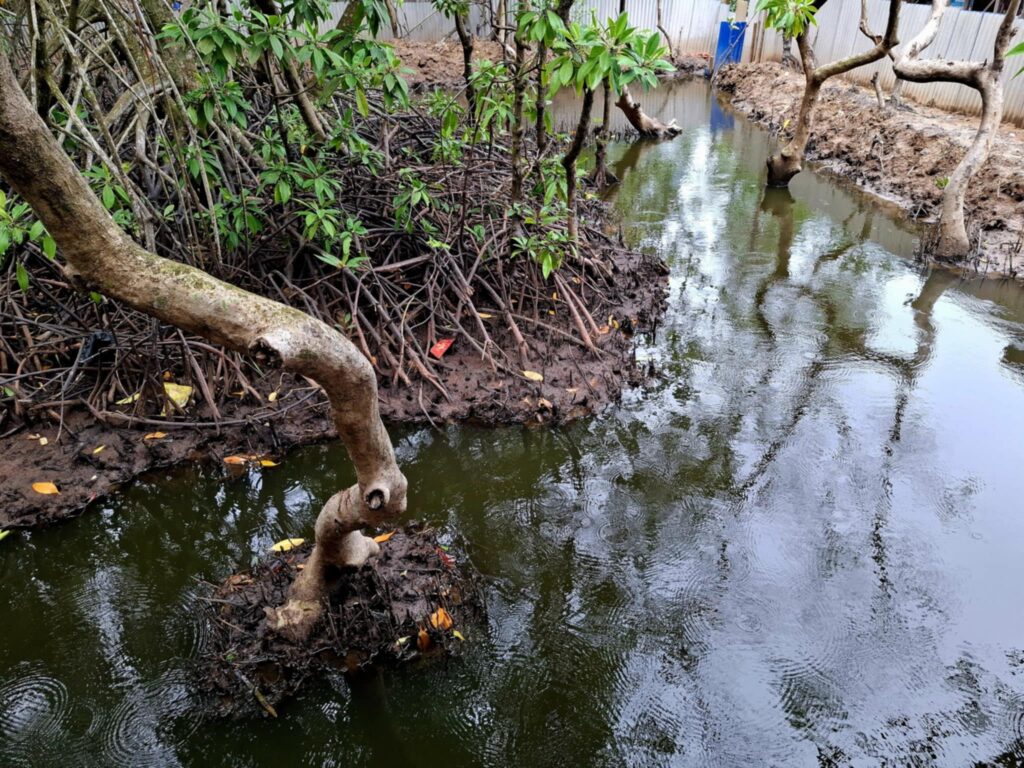
Ethical Tourism: Between Mangroves and the Sea
Cambodia’s coastal areas, with their lush mangrove forests and rich marine biodiversity, offer an ideal setting for mindful eco-retreats and wellness tourism—inviting visitors to connect with nature, find inner peace, and support sustainable local livelihoods.
Our support for eco-tourism not only helps protect vital habitats but also ensures that economic benefits reach local people, empowering them and improving livelihoods.
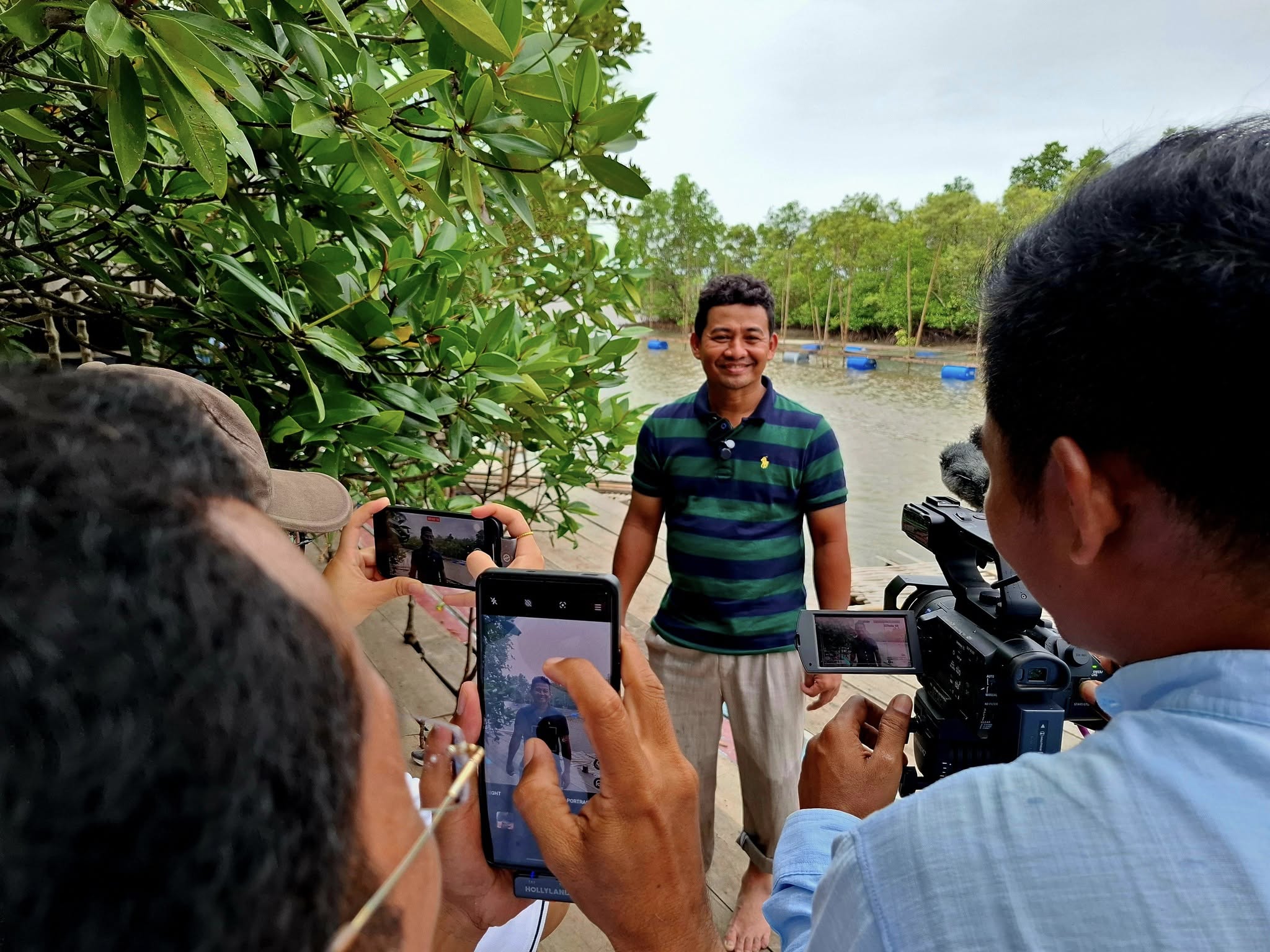
Samphors Vorn, Country Director of AEA Cambodia, highlighted his commitment to this integrated approach during recent media engagements, including with CNC TV.
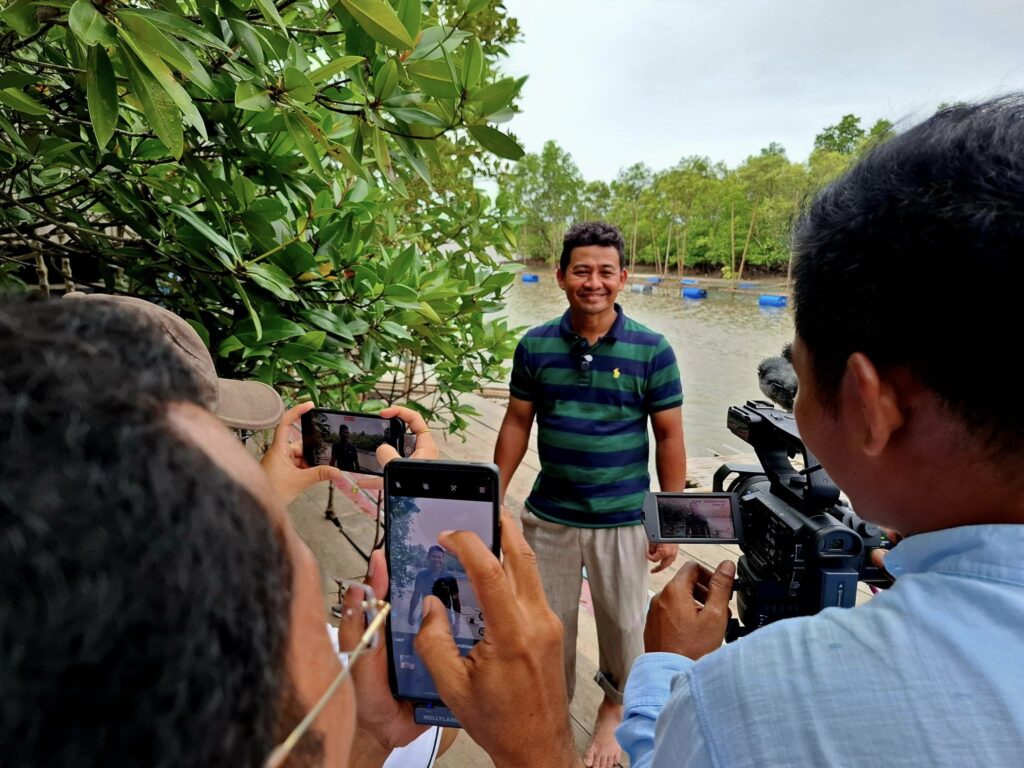
He explained that AEA works closely with the Kampong Samaky community to conserve mangroves and biodiversity, while simultaneously developing sustainable tourism infrastructure that respects the environment and supports the local economy.
Empowering Communities Through Sustainable Aquaculture
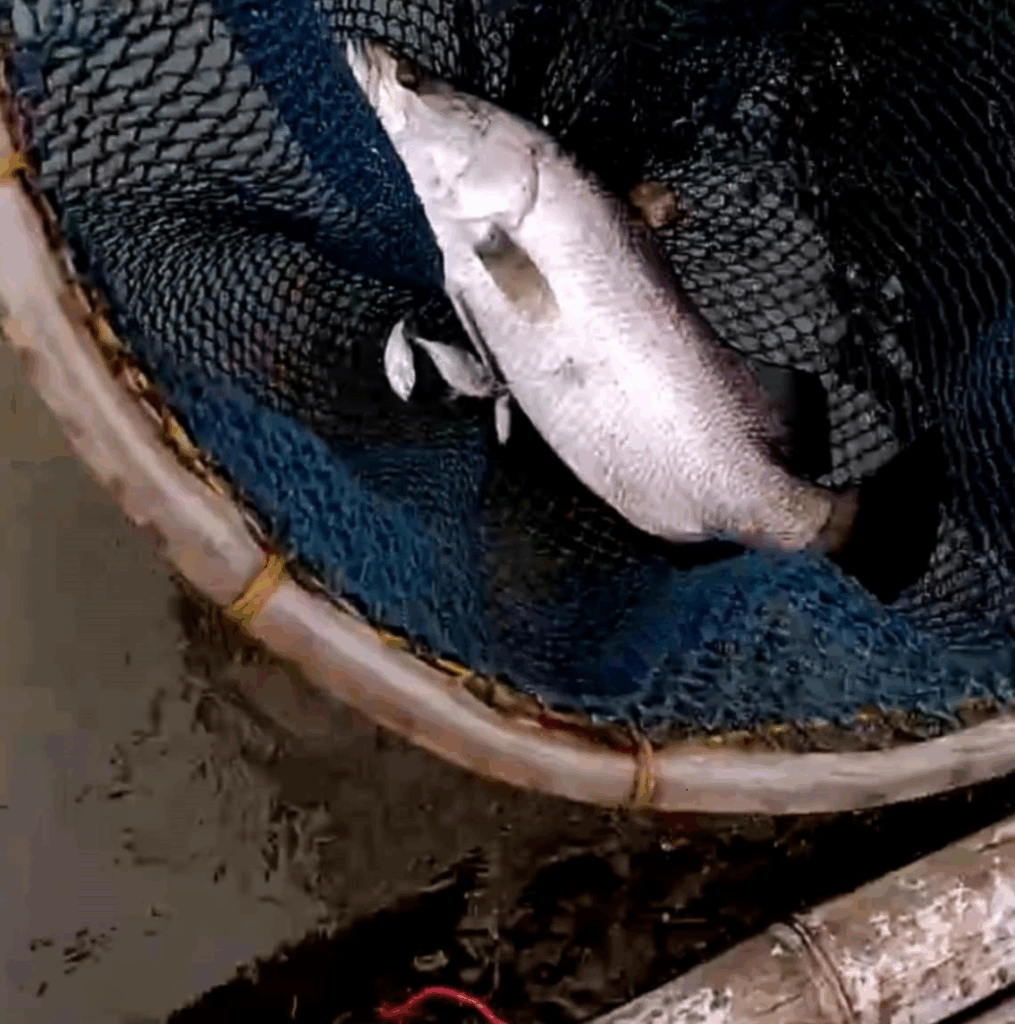
A noteworthy success comes from the Trapeang Sangkae community, where AEA supported villagers in raising seabass under the CO-SAVED project, co-funded by the European Union.
As Samphors Vorn explained: “We saw that this model worked well, so we are expanding it to Kampong Samaki. There is strong market demand, with seabass selling at approximately five US dollars per kilogram. Fish can be raised within five to six months, providing families with a reliable income.”
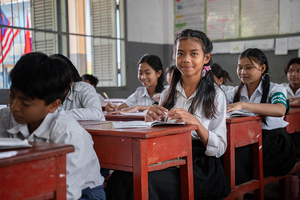
Beyond fish farming, plans are underway to develop additional seaside bungalows, camping facilities, and a seaside library featuring thousands of books in Kampong Samaky. These initiatives aim to attract eco-conscious visitors seeking wellness, relaxation, and immersion in nature, while creating sustainable economic opportunities for the community.
Protecting Our Seas Starts with Collective Action
Supporting sustainable fisheries and community-driven eco-tourism is essential for conserving Cambodia’s rich marine ecosystems. By choosing local products and ethical eco-tourism experiences, visitors can directly contribute to environmental protection and the empowerment of coastal communities.
Together, we can help save the seas—for our health, our wellbeing, and the future of generations to come.