

Pressures from climate change, unsustainable development, and diminishing marine resources threaten both livelihoods and biodiversity. However, responsible eco-tourism offers a compelling solution that protects the environment while providing sustainable income for local communities.
Cambodia’s coastal ecosystems—such as mangrove forests—are facing severe threats that endanger not only marine biodiversity but also the very livelihoods of local communities. Climate change, deforestation, and unchecked tourism development are accelerating habitat loss, coastal erosion, and the vulnerability of fisherfolk and rural communities in coastal regions.
Empowering local communities is essential to protect our global ecosystems.
Strategic investment in Cambodia’s coasts is a critical move toward a sustainable, climate-resilient future. Through collective engagement, we can transform vulnerable coastlines into hubs of resilience, sustainability, and shared prosperity.
From Crisis To Opportunity: Building Resilience and Sustainability
In close collaboration with local and global partners, Action Education / Aide et Action (AEA) is delivering positive impact through the Consortium for Sustainable Alternatives and Voice for Equitable Development (CO-SAVED), co-funded by the European Union (EU).
A key focus of this project is to support decent and dignified livelihoods. Eco-tourism is a model that not only fosters respect for nature, but also lays the foundation for long-term economic resilience and the preservation of Cambodia’s precious coastal heritage.
We are supplying key materials and technical support to revitalize and enhance eco-tourism services. As a result, we reached in 2024:
- 8 fishery communities
- Across 3 coastal provinces: Kep, Kampot, and Koh Kong
- Nearly 70,000 tourists visited these sites
Environmental Protection & Livelihoods
By supporting community-led conservation efforts, we not only protect natural resources but also strengthen sustainable livelihoods. Strategic investment in this sector empowers coastal communities already demonstrating leadership in climate resilience and biodiversity protection.
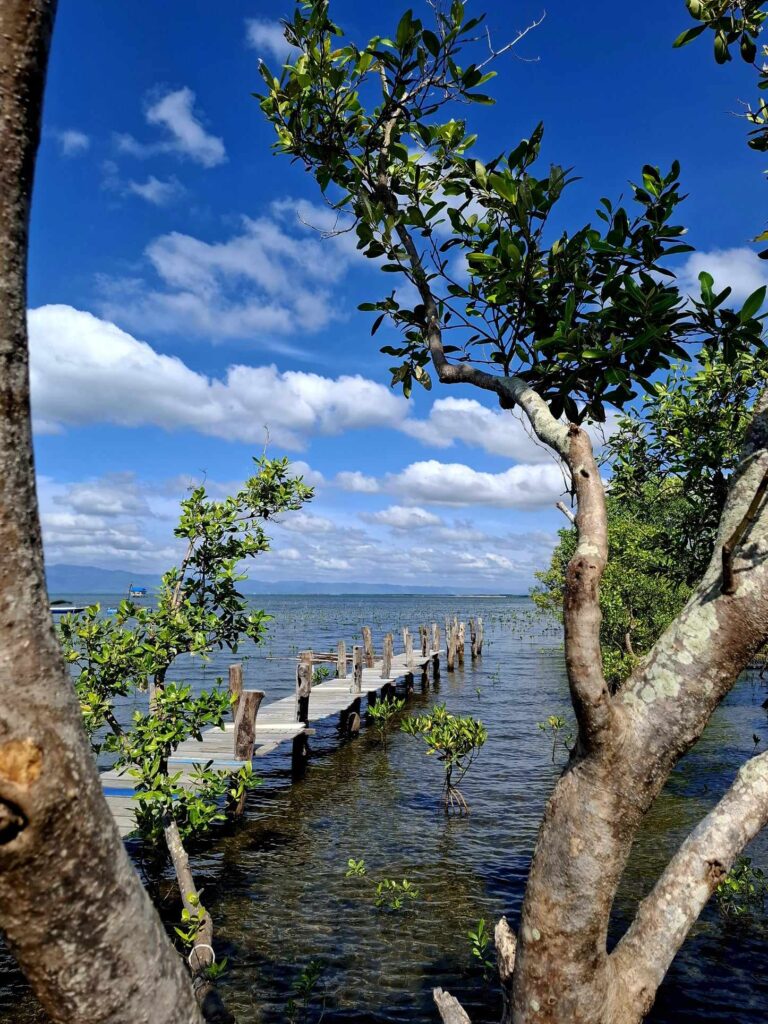
- Mangrove Reforestation: The Phum Thmey and Kampong Samaky communities are preserving mangrove forests that protect coastlines, support marine life, and strengthen ecosystems. Their efforts also boost eco-tourism by inviting visitors to engage in conservation.
- Marine Conservation: In Koh Kong, the Chroi Svay community is protecting marine biodiversity and restoring aquatic ecosystems by replenishing fish stocks. This helps rebuild natural food chains, preserve native fish species and attract eco-tourists.
- Sustainable Infrastructure: The Phum Thmey and Kampong Samaky communities have built bamboo pathways, bridges, and small ports in mangrove forests. With shaded huts, this infrastructure reduces foot traffic, helping to protect fragile habitats and prevent biodiversity loss. It also enhances the appeal of eco-tourism sites through ecological, minimalist design.
- Waste Management: Many coastal areas lack adequate waste management systems to support eco-friendly operations. On Kep Beach, Angkol Beach, and near the mangrove forest, local vendors promote reusable containers to cut plastic waste, protect the environment, and preserve the natural beauty that attracts visitors.
Education & Community Empowerment
Community engagement through education and training is essential to ensure local people are involved in and benefit from eco-tourism. With the right skills, they can take on key roles—such as guides, hosts, or entrepreneurs—keeping economic benefits local. This also builds ownership of natural resources, essential for long-term sustainability.
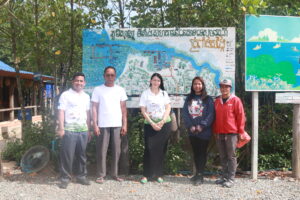
- Eco-Tourism Training: Sessions in Kep, Kampot, and Koh Kong aim to empower local communities to shape the tourism industry on their own terms. The focus is not just on integrating them into the sector, but on equipping them to lead the industry in a way that benefits their environment, themselves and, their families.
- Environmental Education: Delivered both in the classroom and through hands-on activities, learning experiences aim to build environmental awareness, instill a sense of responsibility, and inspire a lifelong commitment. Students explore key environmental issues—such as the vital role of mangroves, and plastic pollution. Outdoor activities include growing vegetables in greenhouses, participating in beach clean-ups, and planting mangroves.
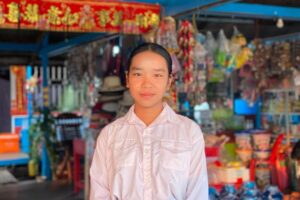
- Youth Engagement: Engaged in climate action, young people bring energy, innovation, and long-term commitment to environmental protection and sustainable sectors like eco-tourism. While Sanhy represents the voice of island communities, youth volunteers like Dyna dreams of building green cities, and Sorya aspires to become a businesswoman in the green economy.
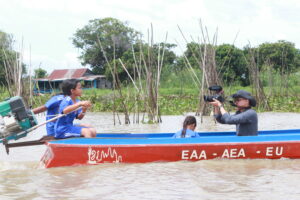
- Communications & Advocacy: Through events such as the Cambodia Climate Change Summit and media relations, we contribute to promote eco-tourism, local handicrafts, and awareness-raising products like T-shirts highlighting endangered marine species in Cambodia. Recently, our media outreach helped draw international attention to schools impacted by climate change.
Together let’s continue to invest in eco-tourism — it’s part of our commitment to protecting biodiversity, building climate resilience, and empowering local communities.