
Cambodia’s mangrove forests are not just scenic wetlands — they are a living defense against climate change, vital habitats for biodiversity, and the lifeblood of coastal communities. Environmental education outreach on mangrove conservation is not only timely; it’s vital.
The country’s coastal regions are home to rich and diverse ecosystems, including mangrove forests. Yet, these fragile ecosystems are under threat due to climate change, unchecked development, and deforestation. Their destruction strips coastal communities of their defenses, endangers marine life, undermines local fisheries, and devastates local livelihoods.
This environmental crisis is not just an ecological loss — it is a climate injustice that disproportionately impacts vulnerable communities. While the Global North contributes most to climate change, communities in the Global South, like those in Cambodia, who are least responsible, bear the brunt of its effects, often with limited resources.
As climate change intensifies, many young people growing up near these coastal resources have limited access to environmental education. Without awareness of the value of their natural surroundings, future generations may lack the knowledge and motivation needed to protect them.
Co-Action: Mobilizing Schools for Mangrove Defense
Environmental education is a frontline strategy in the defense of our planet. It is how we build a generation of environmental defenders, equipped with knowledge, inspired by purpose, and ready to act.
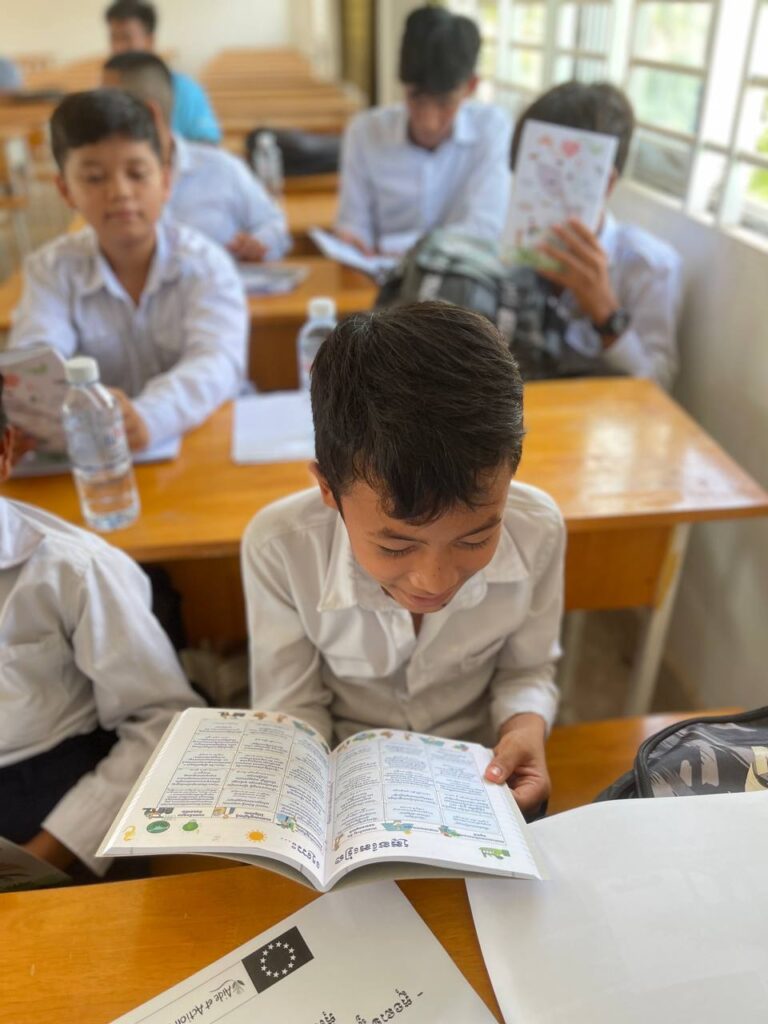
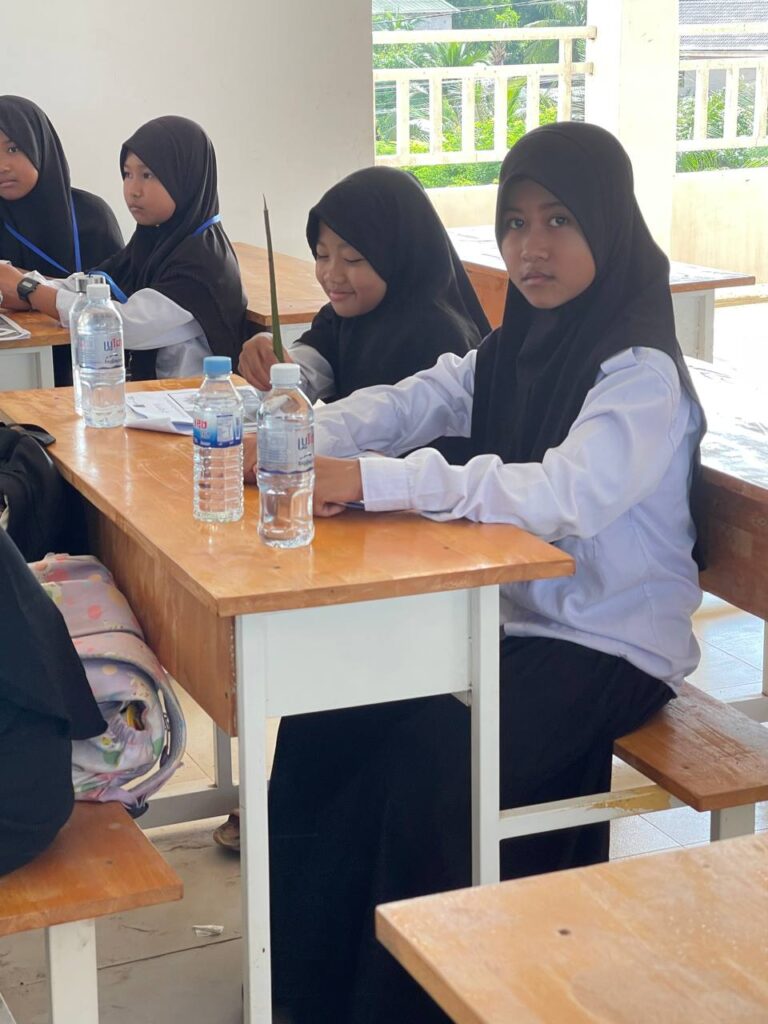
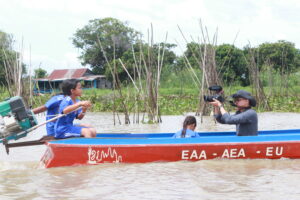
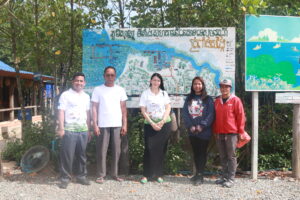
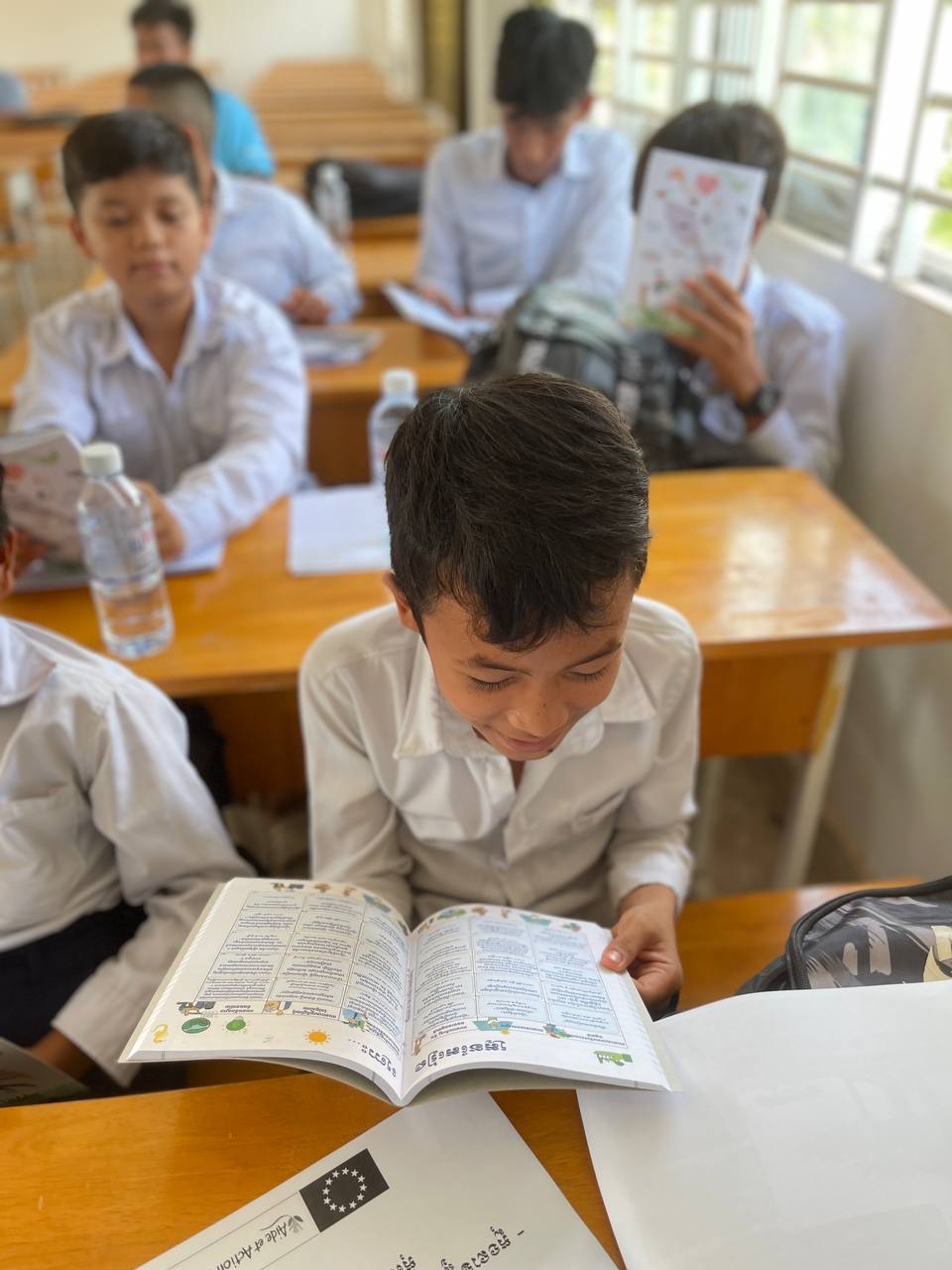
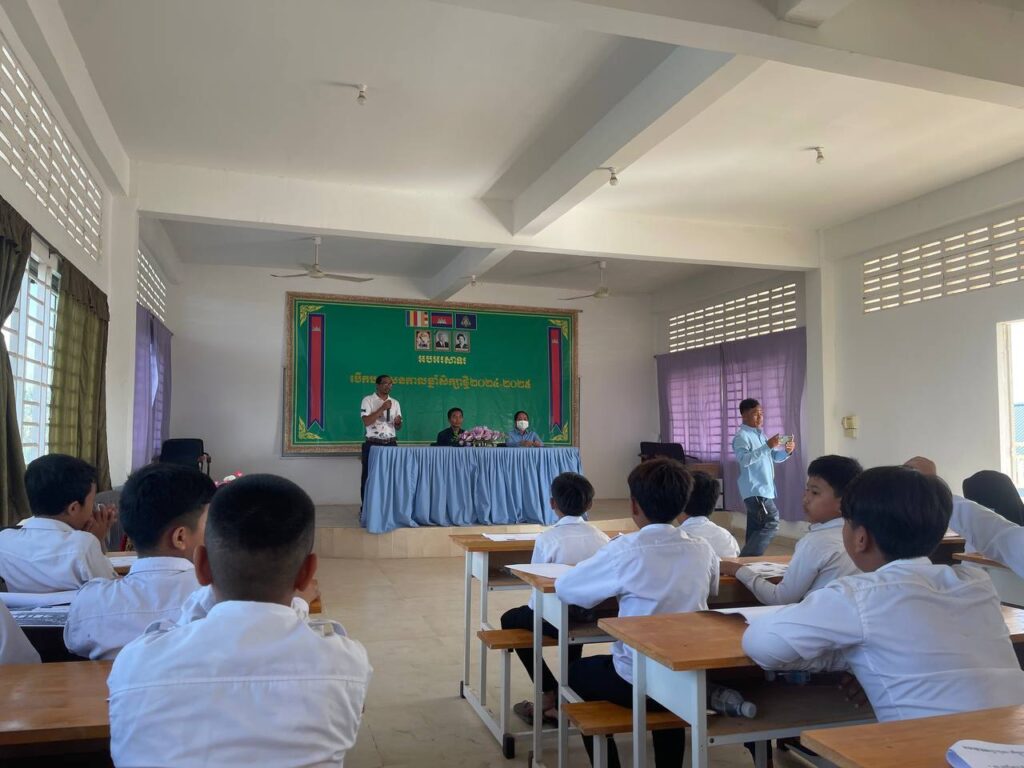
This month, Action Education / Aide et Action (AEA) staff member Mattrohet Tahir is sparking children’s curiosity in the classrooms of Kep and Kampot. Through presentations, discussions, and interactive Q&As, students are learning how mangroves help protect the environment — by soaking up carbon, protecting shorelines, and sustaining marine biodiversity.
The campaign is reaching:
- 200 students, ages 6 to 18
- 10 teachers
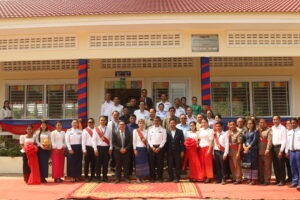
- 5 schools, including Sbov Primary School and Chakriyavong Secondary School in Kep, and Norodom Ranarith School, Kampong Kes Primary School, and Chum Kriel Secondary School in Kampot.
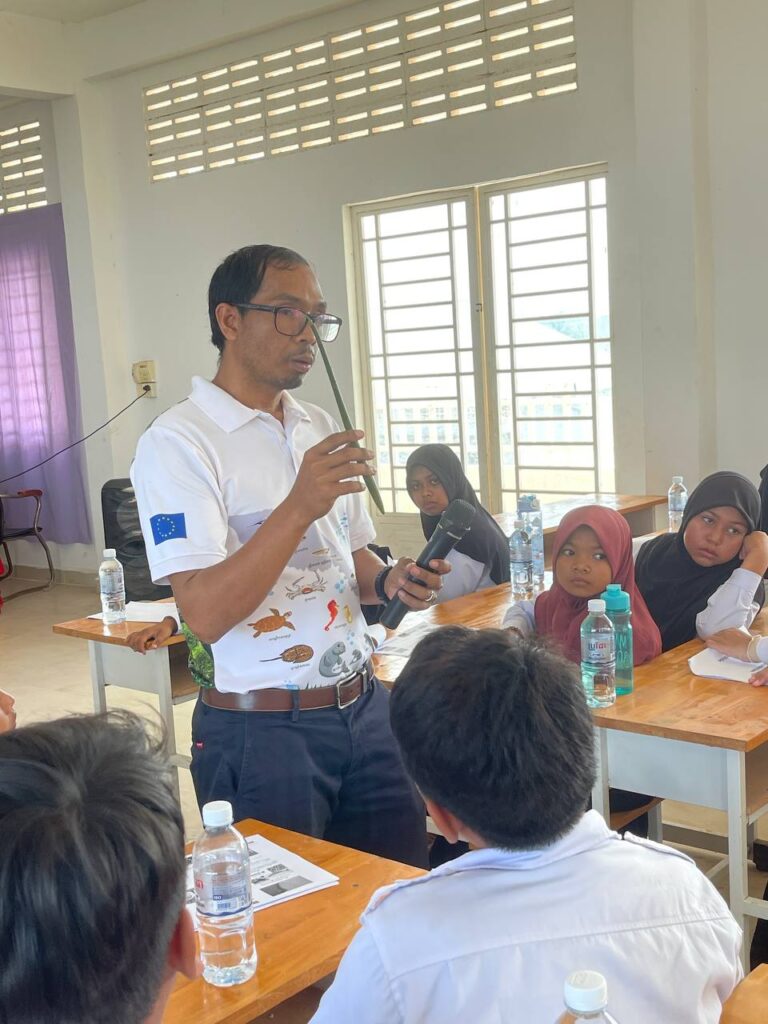
These are not passive lessons — they are calls to action. They plant seeds of resistance and resilience, connecting children to their ecosystems and inspiring a commitment to defend them.
Co-Impact: Raising a Generation That Will Not Stand By
By integrating environmental education into the heart of local schools, we are not only expanding knowledge but also fostering a sense of responsibility and connection to nature among Cambodia’s children. We are building a generation of knowledgeable, motivated youth who understand their ecosystems — and are ready to protect them.
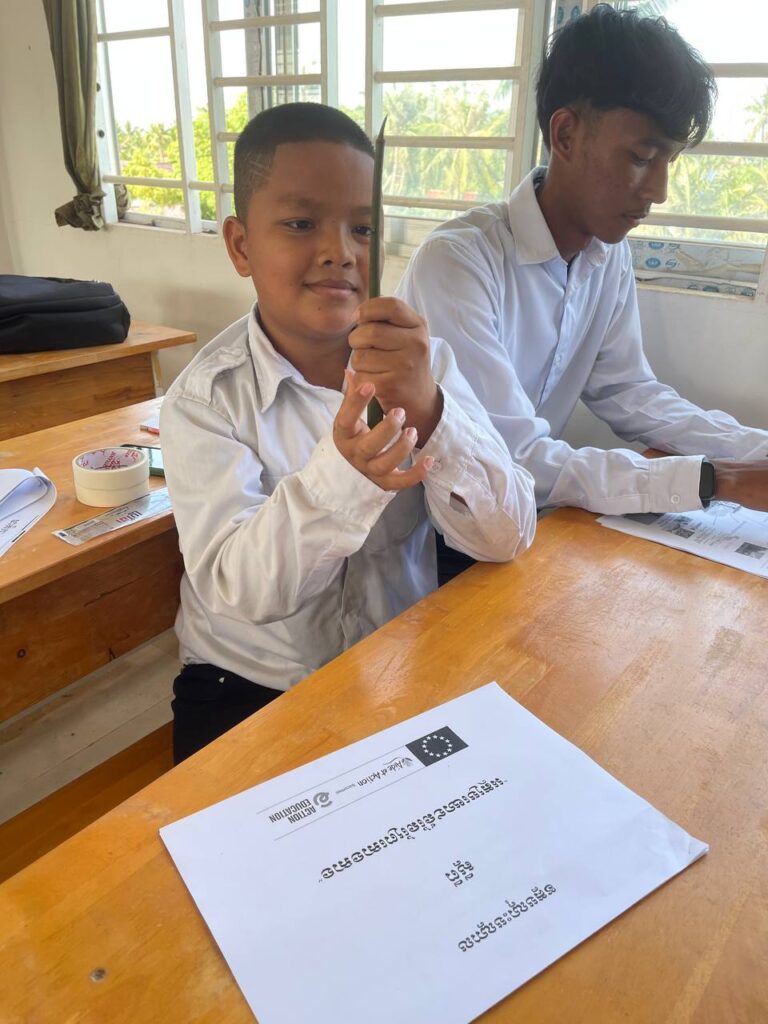
This work is part of the CO-SAVED project, co-funded by the European Union, to build resilience through education, conservation, and sustainable development. This is more than outreach. It’s mobilization. And it starts with youth — the next line of defense in the global effort for environmental preservation.
Stand for survival. Empower youth. Rise for the planet.