

Resilient communities are built when families have stable incomes and the freedom to make their own choices. Investing in local initiatives is not just a moral imperative—it is a strategic approach to fostering self-sufficiency, education, and sustainability.
In Damnak Chang Eur Village, Prey Thum Sangkat, Kep, the hum of daily life carries the promise of opportunity.
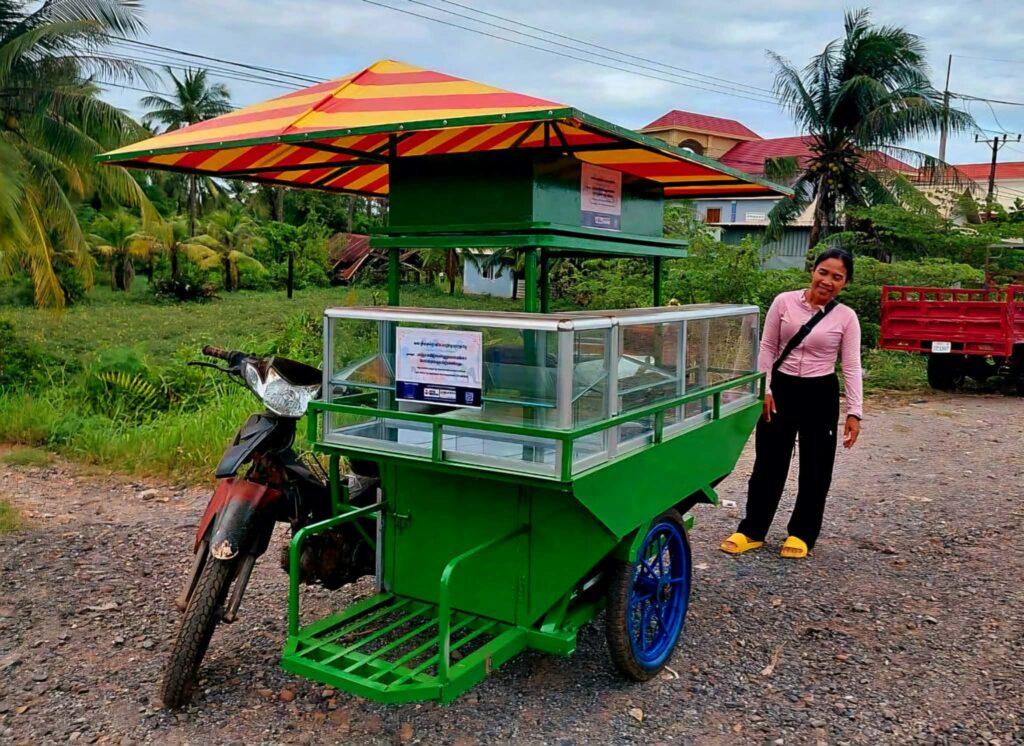
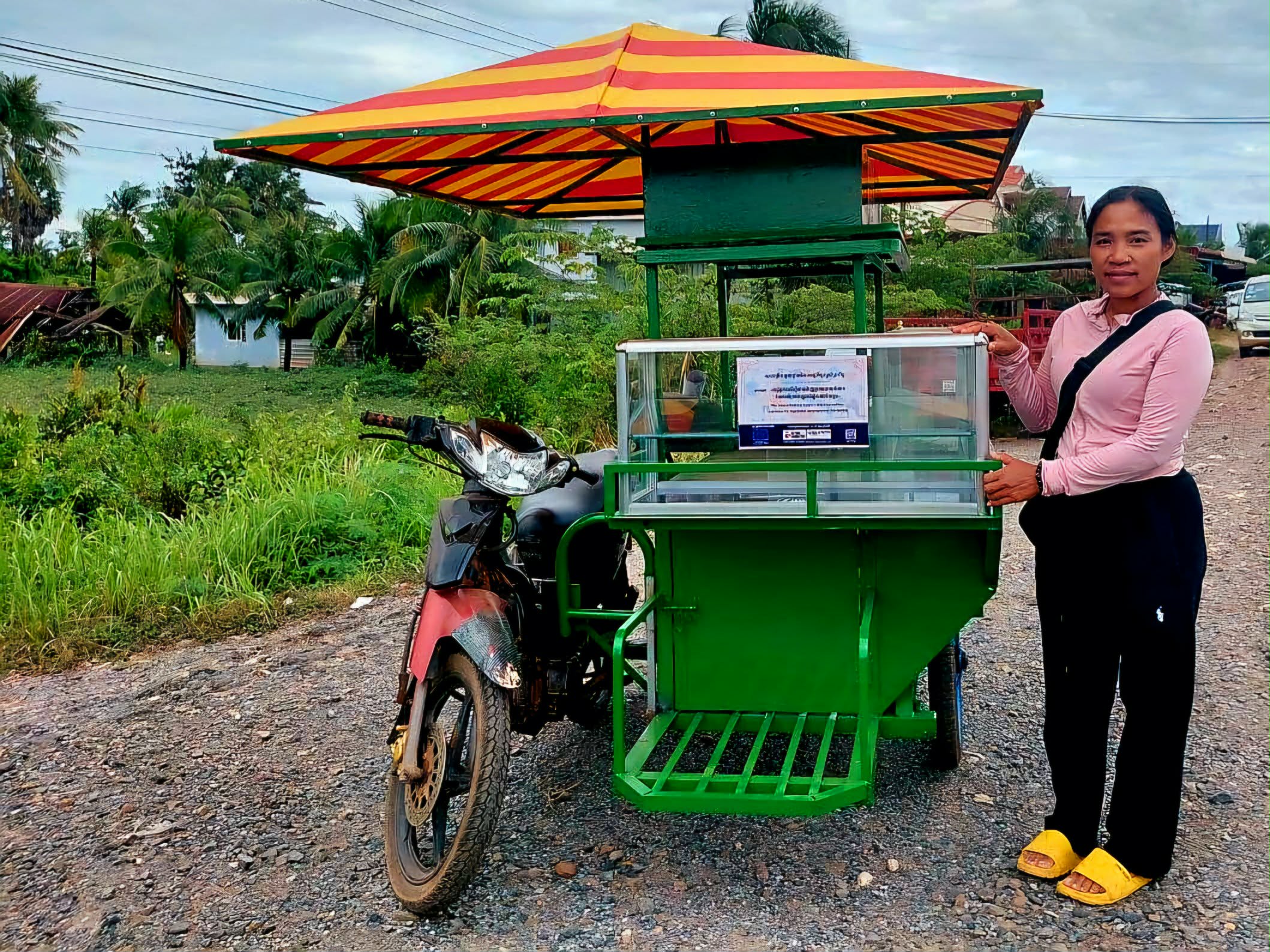
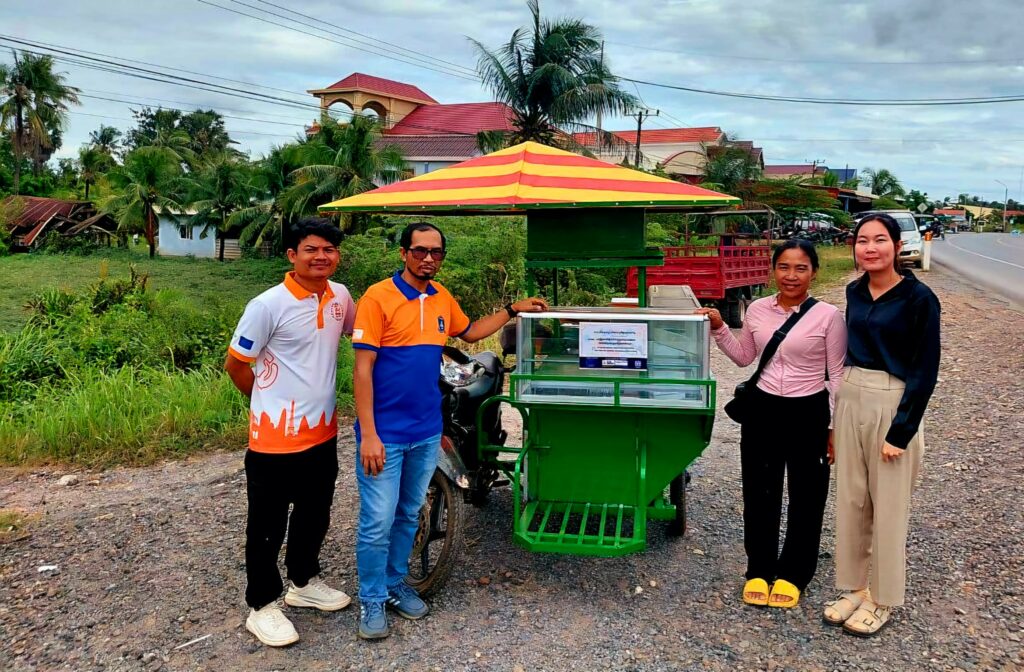
Tum Sina, a local entrepreneur, received a mobile sugarcane juice cart on 20 November 2025 through Action Education / Aide et Action’s COSAVED project, co-funded by the European Union.
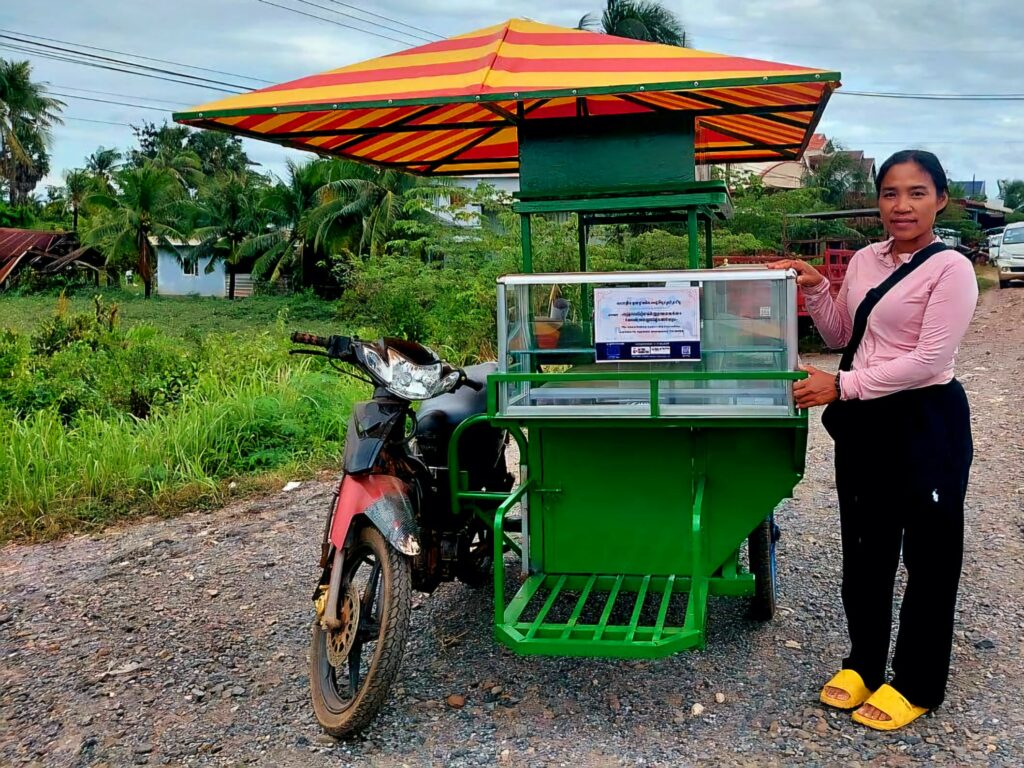
It is more than just a cart—it is a tangible tool for economic empowerment and a catalyst for broader community impact.
When Families Thrive, Communities Shine
For workers like Tum Sina, the informal economy is where livelihoods are built. Each cup of freshly pressed sugarcane juice sold contributes directly to household income, enabling parents to provide for their families.
When parents have reliable income, children are more likely to attend school, access learning materials, and achieve better educational outcomes.
Supporting informal economy workers is therefore not merely an economic intervention—it is a direct investment in education. And it generates measurable ripple effects: improved educational outcomes, preserved culture, and stronger community resilience.
Tourism That Gives Back: Empowering Families
By enabling local entrepreneurs to flourish, communities benefit on multiple levels. Small businesses like Tum Sina’s sugarcane juice cart offer authentic experiences for visitors while generating income that strengthens families.
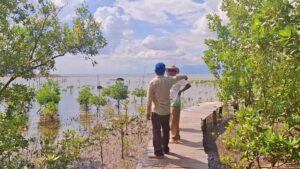
This approach to empowering local businesses fosters eco-tourism that respects both cultural heritage and natural surroundings, creating economic opportunities without compromising community integrity. It reinforces economic independence, giving families the ability to shape their own futures, and builds resilience, equipping communities to face challenges with self-determination rather than dependence on external aid.
In short, supporting local initiatives unlocks a self-reinforcing cycle of empowerment.
Every initiative that supports local workers is a step towards sustainability, dignity, and lasting impact—because when parents earn, children learn. And when communities thrive, tourism becomes a force for positive, sustainable change.