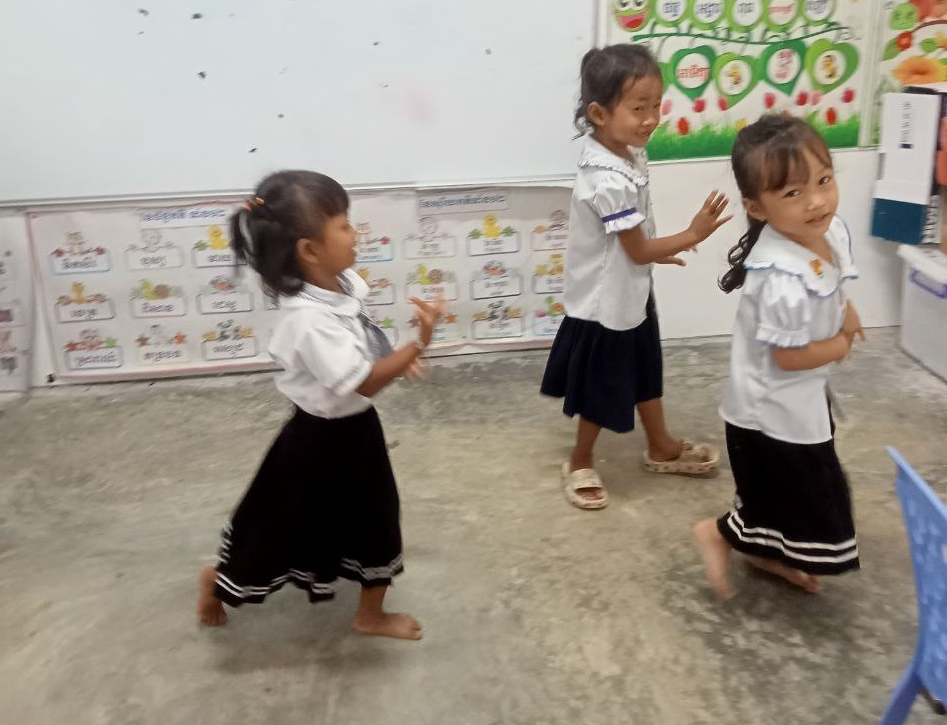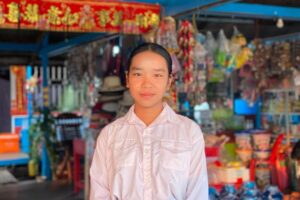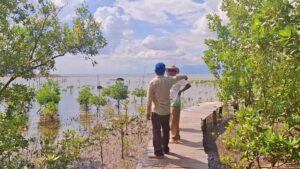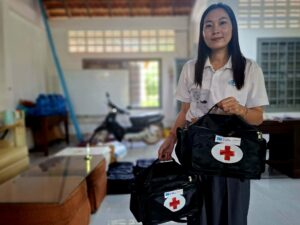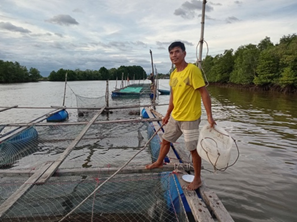

In remote fishing villages, access to quality education is scarce. Yet on the island of Koh Rong, just off the coast of Preah Sihanouk, the sounds of laughter, curiosity, and creativity fill the air at two community pre-schools: Preak Svay 1 and Preak Svay 2.
Here, children are not only learning their first letters and numbers but are also developing vital skills that will shape their future.
In remote fishing villages, opportunities for quality education are rare. Many families worry that their children might fall behind before they even begin primary school. That’s why these pre-schools are so important — they give children the foundations they need to succeed.
Early Childhood Care and Education (ECCE) is one of the best investments in a child’s future. The first five years are the most important for brain development, shaping learning, behaviour, and health. When children thrive in these years, the benefits extend to families, communities, and society.
ECCE yields some of the highest returns in education, helping to break the cycle of poverty. The evidence is clear: children who attend quality pre-school are more likely to stay in school, achieve better learning outcomes, and secure improved employment opportunities as adults.
In Cambodia, access to ECCE has expanded steadily over the past decade. However, disparities remain—particularly in rural and hard-to-reach areas, where children are often left behind.
Islands of Hope: Early Years, Lasting Change
For island communities like those in Koh Rong, the challenges of distance, limited infrastructure, and isolation make efforts to provide access to quality early education especially important. This is why Action Education / Aide et Action supports two community pre-schools on the island through the CO-SAVED project co-funded by the European Union.
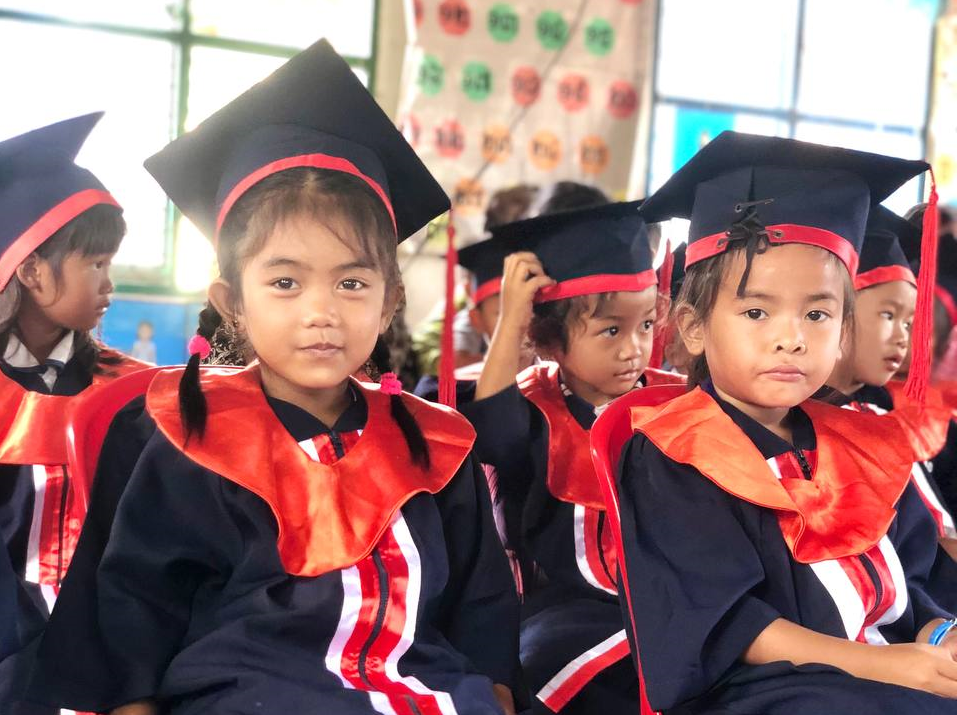
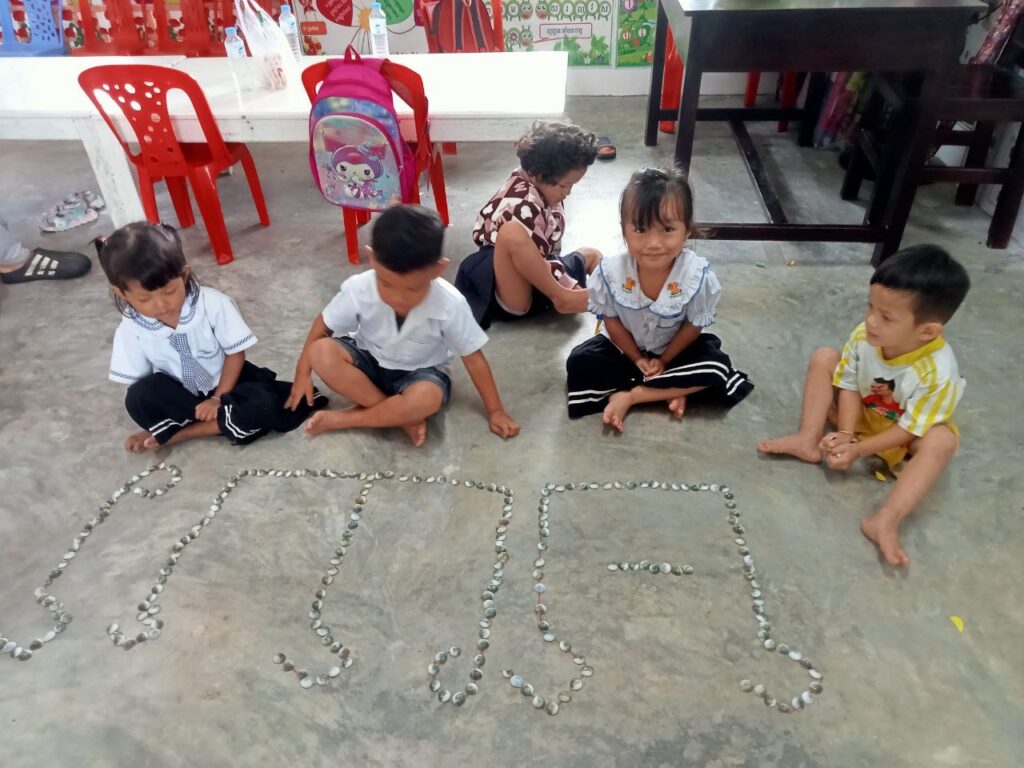
Whether carefully arranging stones into Khmer letters, proudly donning graduation gowns, or engaging in play-based learning, children are experiencing the joy of discovery and laying the foundations for lifelong learning.
Activities that may seem simple—singing, drawing, or imaginative play—are, in fact, essential for developing literacy, numeracy, social interaction, and problem-solving skills.
Equity: Unlocking Potential in Island Communities
For Action Education / Aide et Action Cambodia, expanding access to ECCE also means supporting teachers with training, delivering a school feeding programme, and ensuring that girls and boys alike are given equal opportunities.
The smiles and determination seen in the children of Preah Sihanouk remind us of the potential waiting to be unlocked when we prioritise early years. By investing in education today, we are not only nurturing the youngest members of island communities, but also shaping a stronger, more equitable Cambodia for generations to come.