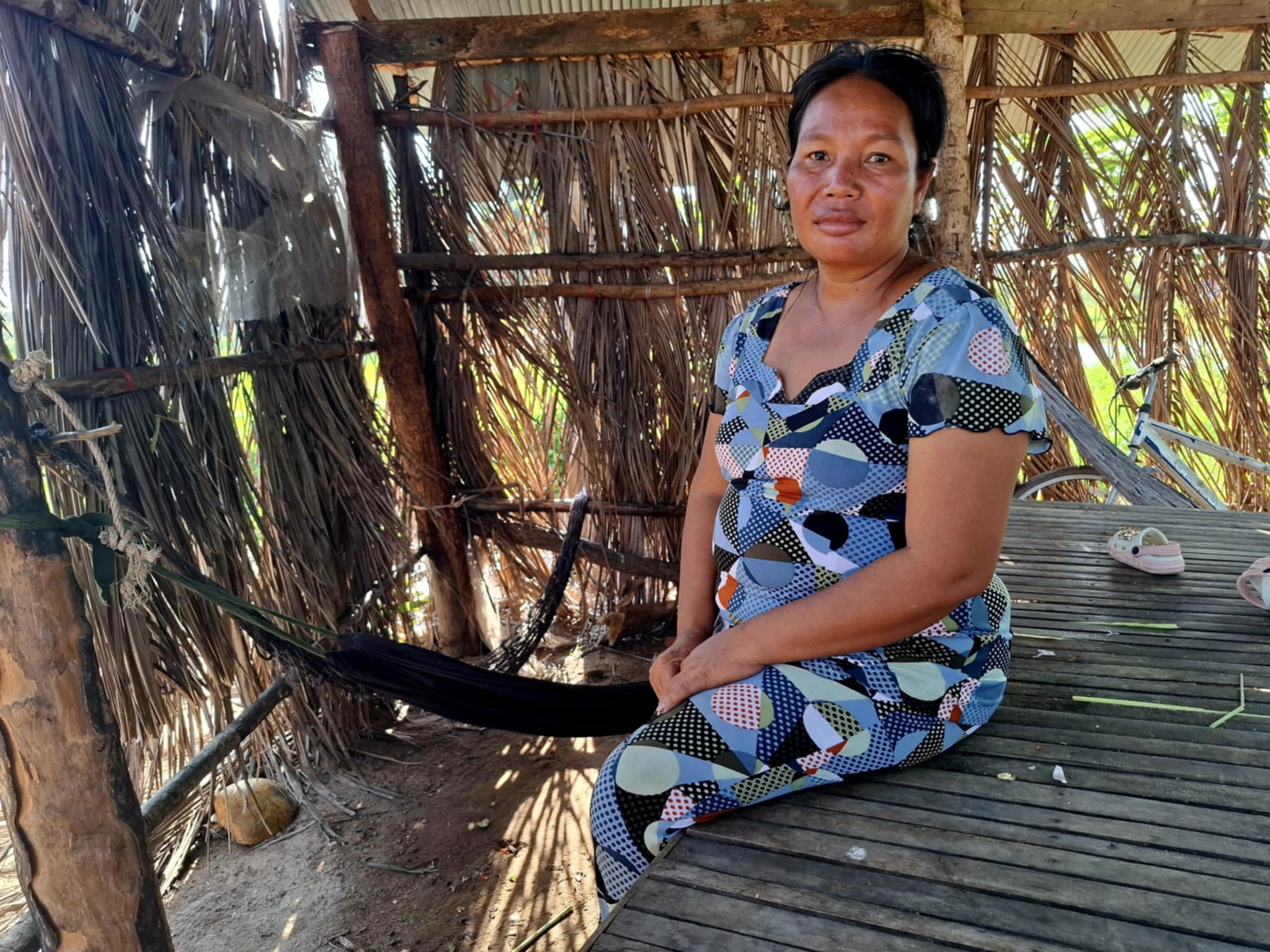

Only about one in three Cambodians have access to safely managed drinking water, and the gap between urban and rural communities is wide. Yet water is a catalyst for change—health, education, and equality all flow from it. In Koh Krishna village, access to clean water has transformed the daily life of a Cambodian mother and her children.
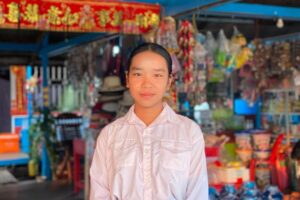
Every morning, Un Rim ensures her three daughters— Kim Heng (12), Kim Houy (10), and Kim Han (8) — as well as her nephew, Bi (8) wash before setting off for Koh Krishna Primary School. It’s a simple daily ritual that speaks volumes about how much life has changed for her family over the past year and a half.
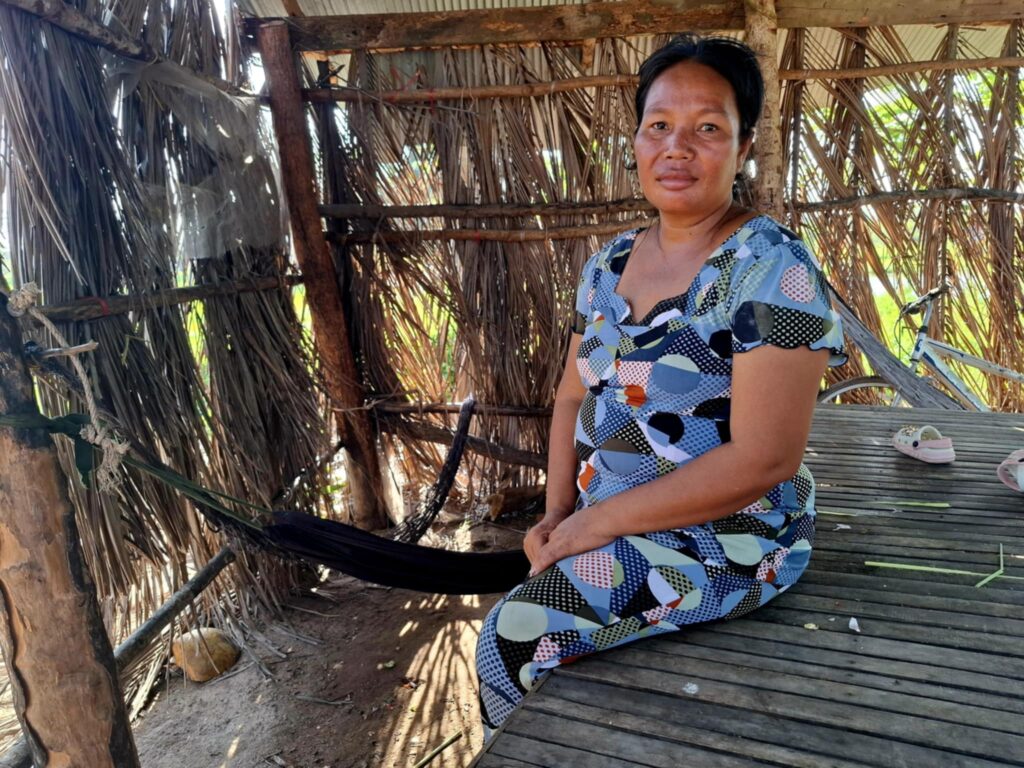
Un Rim lives in Koh Krishna, a remote village in Kampong Trach district, Kampot province. She works in rice fields while her husband is a fisherman. Like many families in rural Cambodia, they used to rely on rainwater and a well for their daily water needs.
But Un Rim knew the risks: “The water didn’t always look clean. Sometimes we got sick, especially the children.”
Water was a daily worry—until safe, clean water arrived in their village.
Water Justice in Action: A Story of Change
Through the CO-SAVED project, co-funded by the European Union, Action Education / Aide et Action supported the connection of Un Rim’s household to the Phnom Meas water station—a vital piece of infrastructure supported by Action Education / Aide et Action.
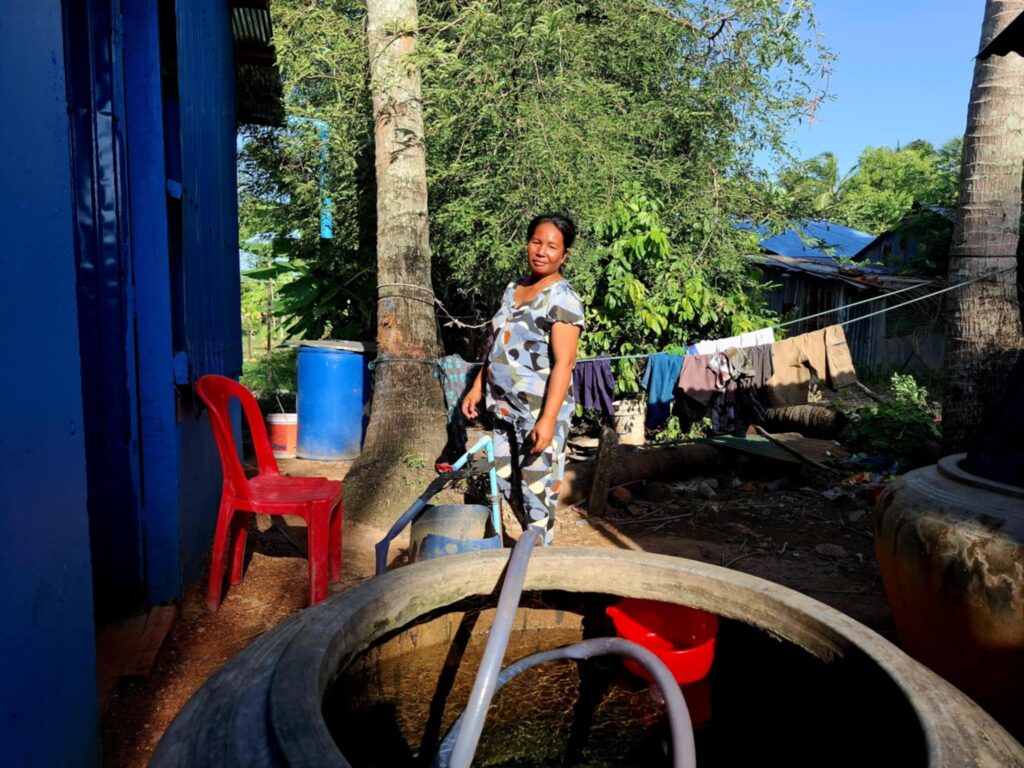
The results have been life-changing.
“We no longer worry about water,” Un Rim says. Her children are now healthier, and she has more time to take care of the rice fields.
We also supported the connection of her children’s primary school and equipped it with a water filtration system—ensuring drinkable water for her three daughters—Kim Heng, Kim Houy, and Kim Han, her nephew, Bi and all their schoolmates.
A Partnership for Sustainable Change
Un Rim’s story reflects the experiences of many villagers in Koh Krishna and beyond. For rural communities, safe water access unlocks improvements in:
- Health: Lower risk of waterborne diseases
- Education: Better attendance and performance at school
- Gender equality: Reduced burden on women to collect water
- Livelihoods: More time for farming, fishing, or income-generating activities
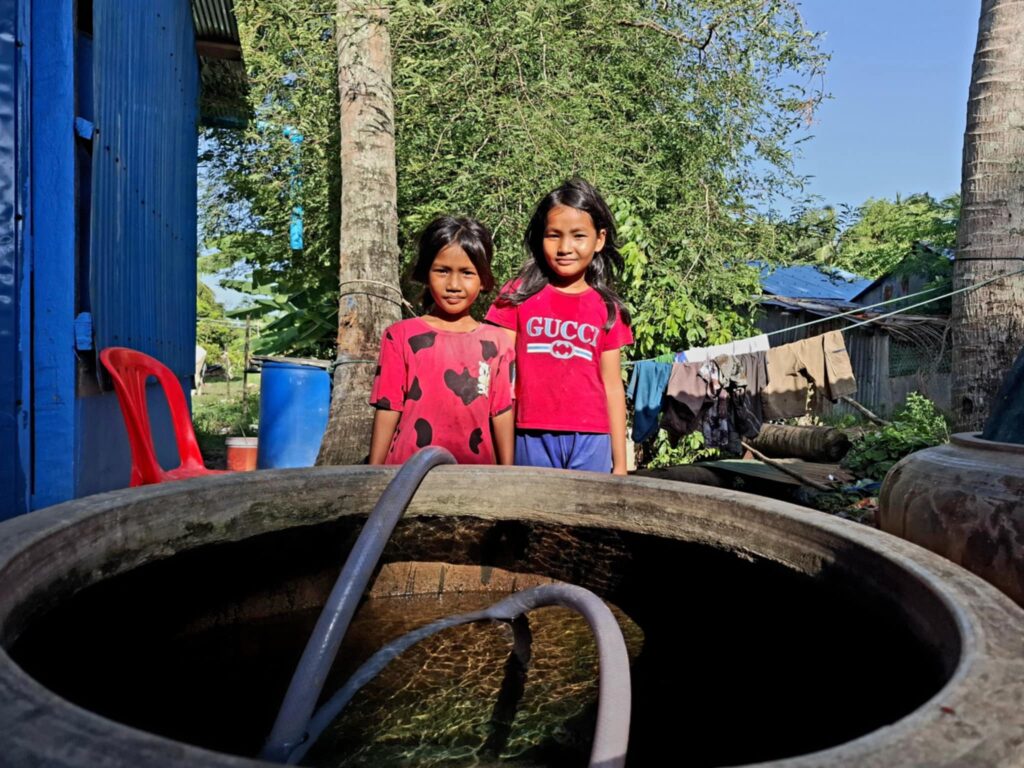
This initiative is part of a broader push for climate-resilient development in Cambodia. It reflects a shared commitment to inclusive, community-led development and the Sustainable Development Goals—especially clean water (SDG 6), education (SDG 4), and gender equality (SDG 5).
A Future Filled with Possibility
Un Rim is hopeful. Her daughters are thriving at school. Her crops are doing well. And the anxiety that once came with unsafe water has been replaced by a sense of stability. With access to clean water, her family has a better life. Villagers are healthier and have hope for the future.
Water justice is about dignity, safety, and opportunity.
VIDEOS: