

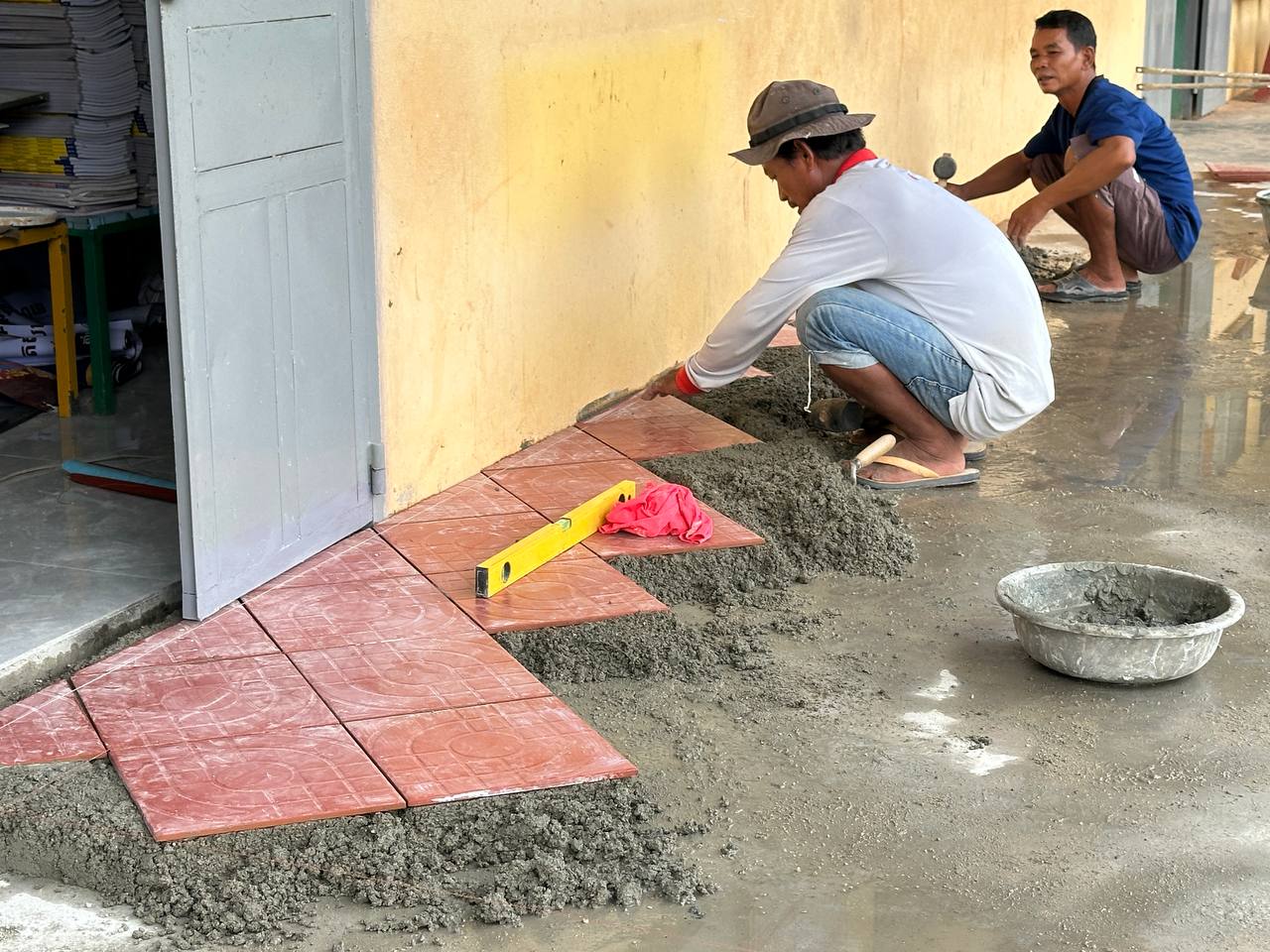

Empowerment isn’t a final destination—it’s an ongoing process. And it all starts with education. Renovating a school is more than just a building project—it’s a powerful catalyst for change that improves learning, health, confidence, and community pride.
This is the cycle of empowerment:
- Education leads to action
- Action drives change
- Change feeds back into education
Education: Why the Learning Environment Matters
The cycle starts with education—understanding how the learning environment affects students and teachers is essential. When classrooms are dark, leaky, overcrowded, or unsafe, it’s harder to concentrate, teach, or feel valued. Poor infrastructure affects attendance, performance, health, and student morale. Community awareness is key: it turns a cracked wall or broken toilet into shared problems that can be fixed together.
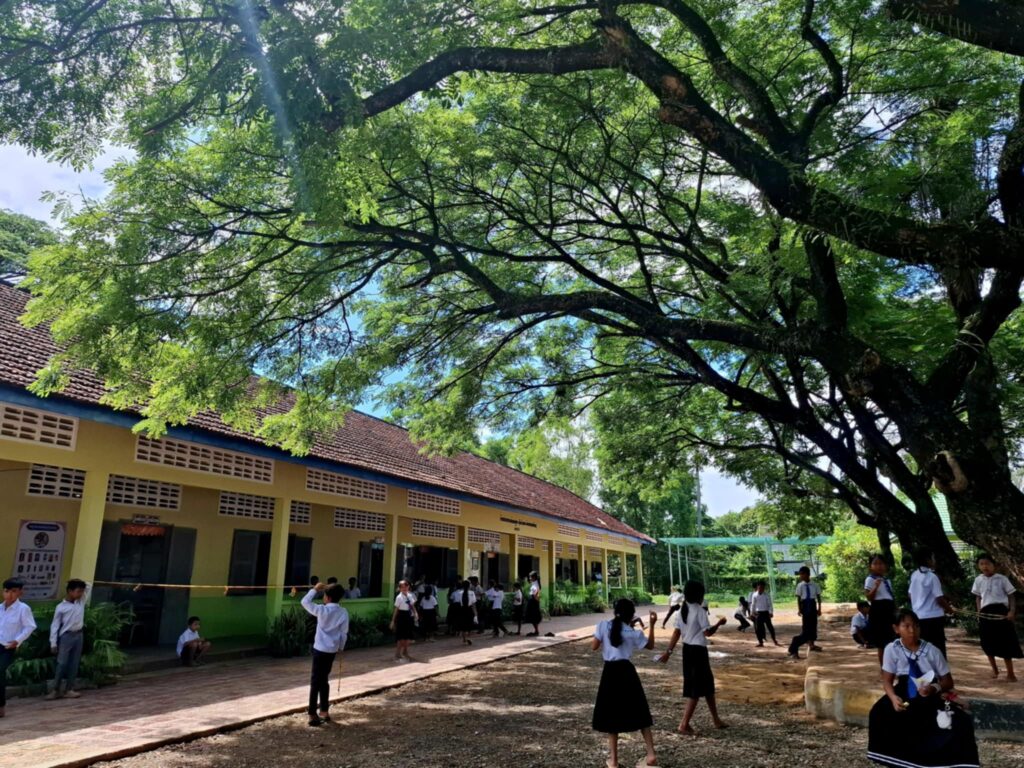
Photo: Damnak Chang Our Primary School, Kep
Action: Mobilising and Investing
Once the need for better facilities is understood, action follows. This may come from school leaders, parents, local authorities, NGOs, or even students themselves. Renovation projects—such as tiling floors, fixing roofs, painting walls, or improving toilets and playgrounds—send a clear message: students matter, and their environment deserves care and investment.
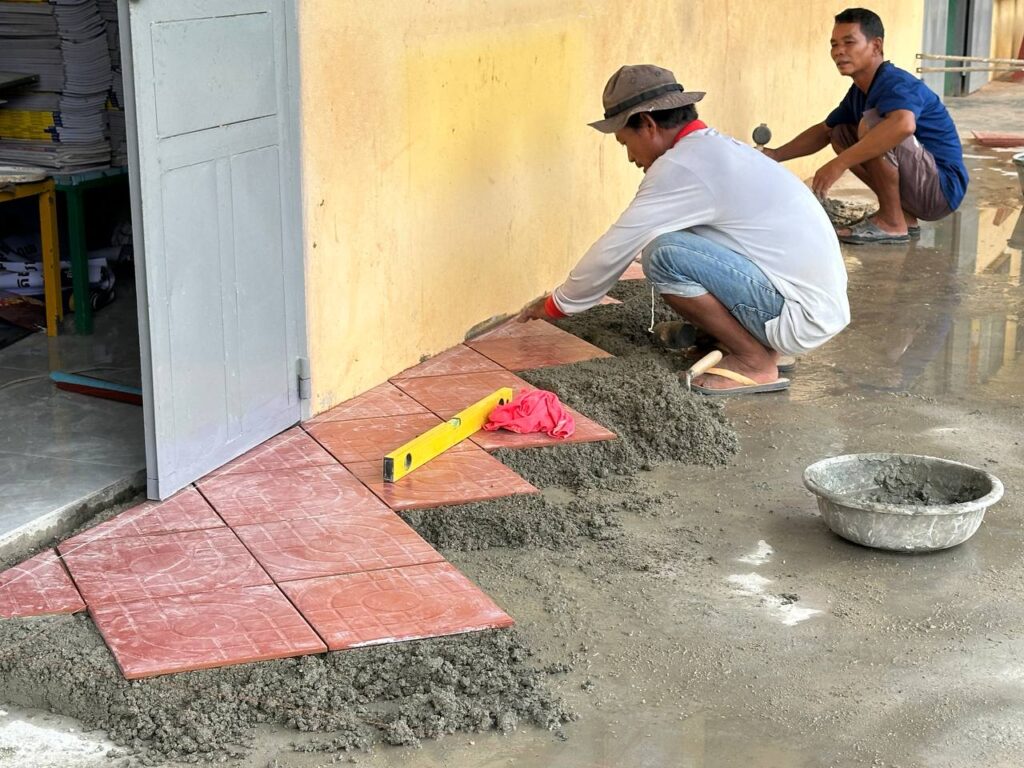
Photo: Angkor Phnom Khlong Primary School, Koh Kong
Change: A Renovated Learning Space
Renovations bring immediate and visible change. Clean, safe facilities improve attendance and retention. Better classrooms, toilets, and inclusive spaces help create a more equitable learning environment. Renovated schools also lift morale—teachers feel more motivated, students are more engaged, and parents are more supportive. Most importantly, improved learning environments lead to better academic outcomes and expanded opportunities.
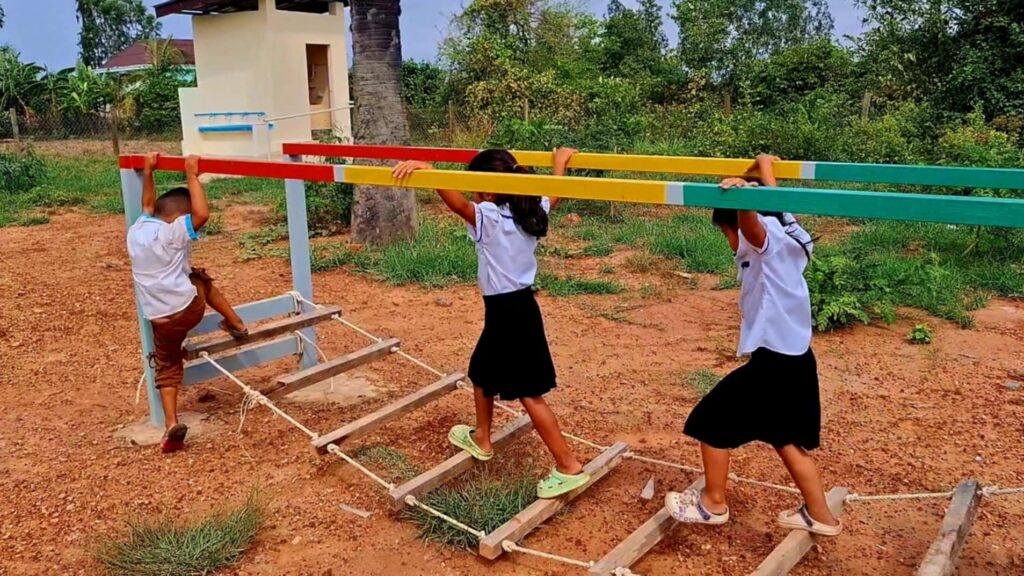
Photo: O’ Krasar community pre-school, Kep
Full Circle: Sustaining the Momentum
When a school is renovated, change is visible. It shows that education matters. Students see their school as a place of opportunity and joy. When communities witness this change, they’re more likely to stay engaged— helping out, taking care of the school or advocating for further improvements. This renewed energy often leads to deeper involvement in education. This means the change feeds back into the system, creating a stronger culture of learning and collective responsibility.
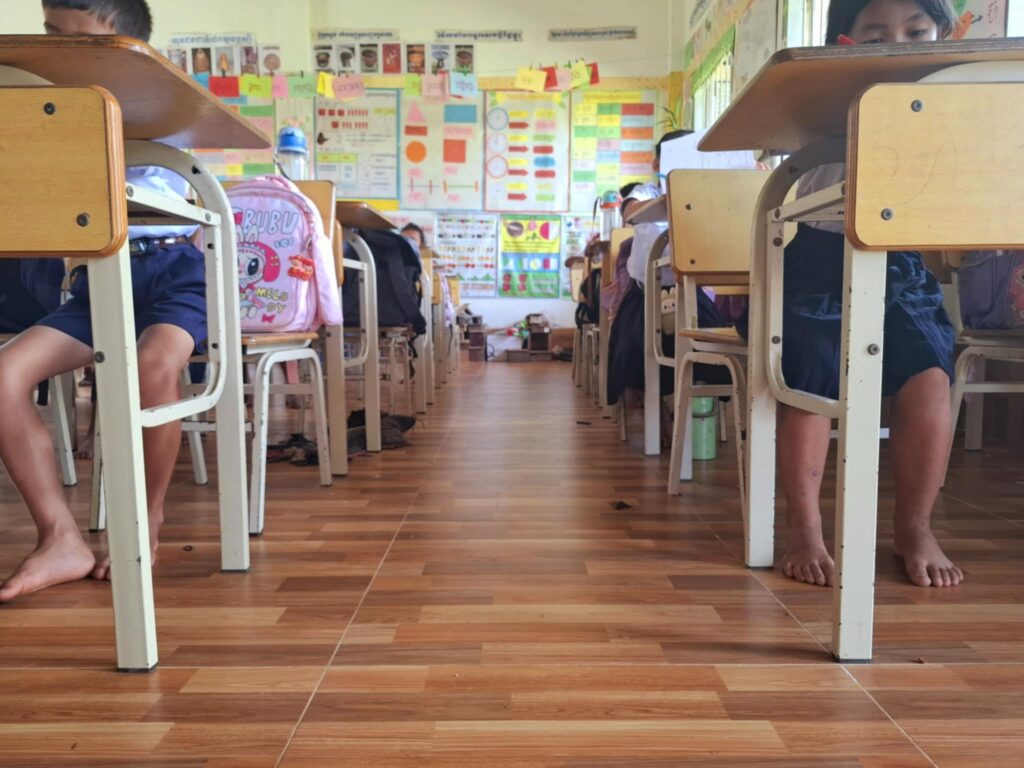
Photo: Namiko Phnom Sor Sear Primary School, Kep
Education → Action → Change → Education. Renovating a school is a tangible example of this cycle of empowerment: One repaired floor can renew community pride. One accessible classroom can support inclusive education. One safe toilet can help girls stay in school. These physical improvements lead to emotional, social, and academic transformation.
This is why Action Education / Aide et Action invests in school renovations. With our global and local partners, we’re not just rebuilding structures—we’re rebuilding hope, confidence, and opportunity.
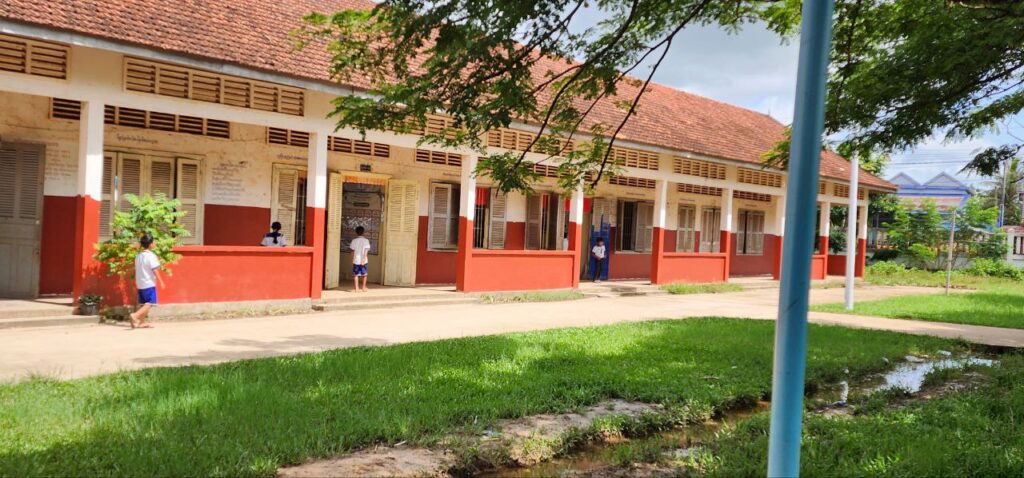
Photo: Kampong Sela Primary School, Preah Sihanouk