
A handwashing campaign is anchoring essential hygiene knowledge in schoolchildren—building lifelong hygiene habits across isolated coastal and island communities. A story of hope and resilience.
In Cambodia’s coastal regions, access to clean water and sanitation remains a persistent challenge. Infrastructure is limited. In many homes, awareness of basic hygiene remains out of reach—not by choice, but by circumstance.
Yet amidst these challenges, resilience grows.
Under the CO-SAVED project, which is co-funded by the European Union, Action Education / Aide et Action supports monthly health sessions led by local schools. Through these awareness-raising activities, children gain life-saving habits that will protect their health long after they leave the classroom.
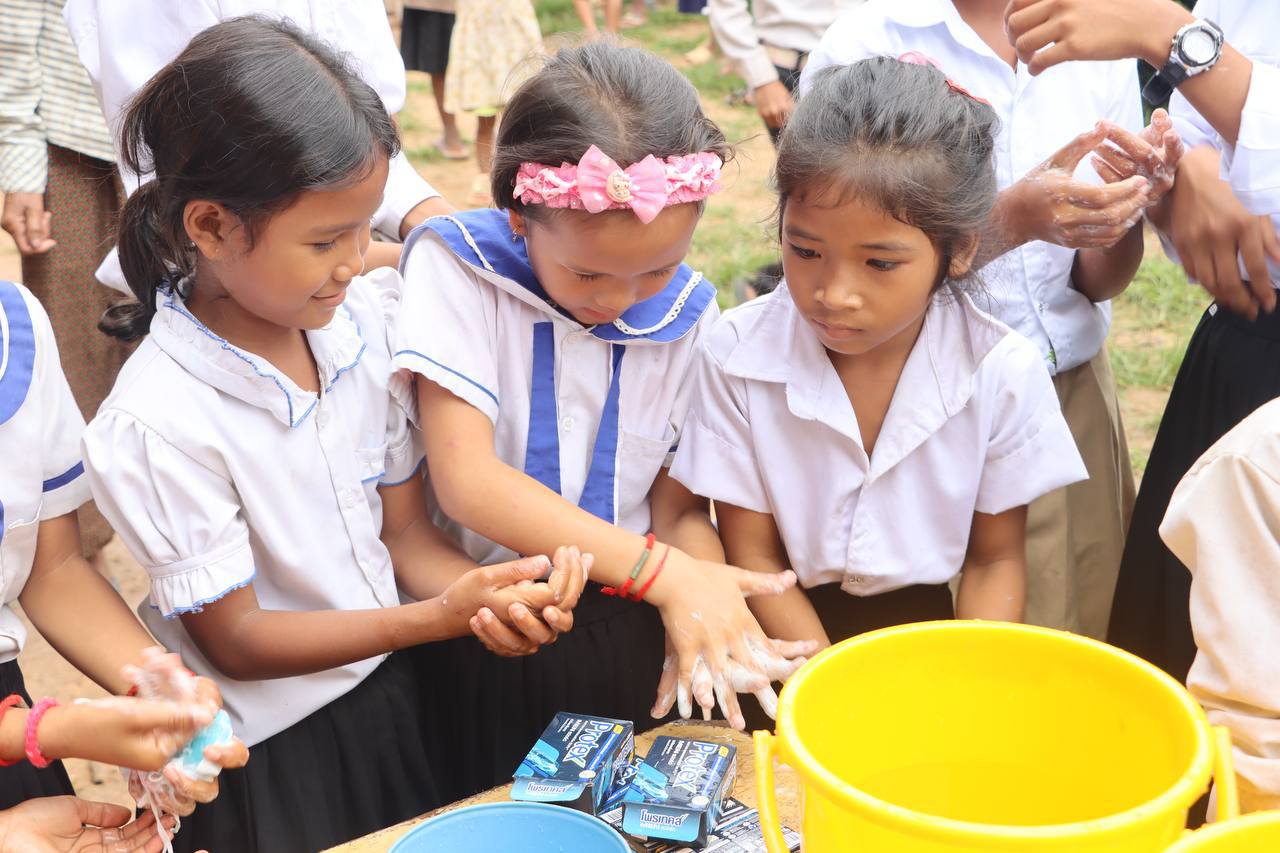
At present, the focus in Koh Kong is on teaching proper handwashing techniques.
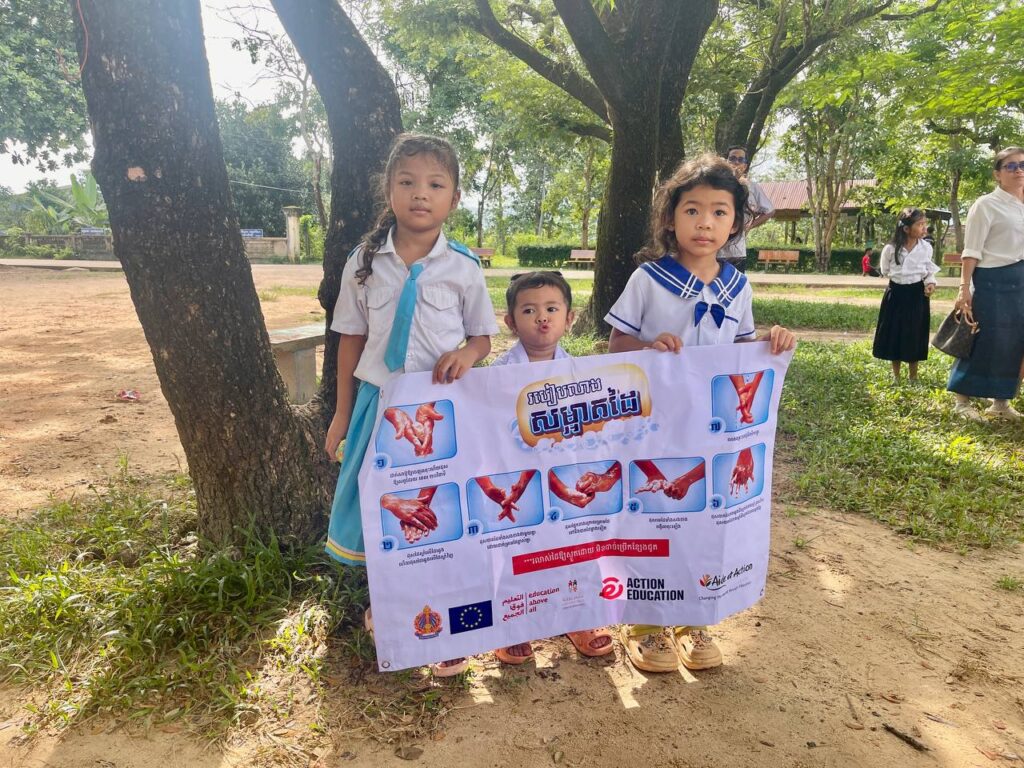
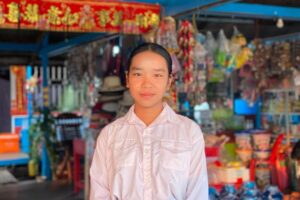
Photo: Prek Check Primary School
Vital Education in Action
While families struggle with limited awareness and scarce resources to maintain hygienic practices, good hand hygiene is widely recognised as one of the most effective ways to prevent deadly illnesses such as diarrhoea and respiratory infections—both of which remain significant causes of child morbidity in Cambodia.
Through practical demonstrations and interactive activities, local leaders—such as school directors, teachers, and local authorities—are transforming hygiene education into daily school routines, particularly before eating and after using the toilet.

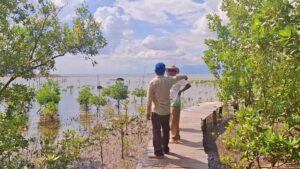
Photo: Bak Angrut School
These foundational lessons serve as navigational tools, helping steer children away from harmful behaviours and towards healthier, more hygienic practices.
Children as Agents of Change
What starts in schools doesn’t end there.
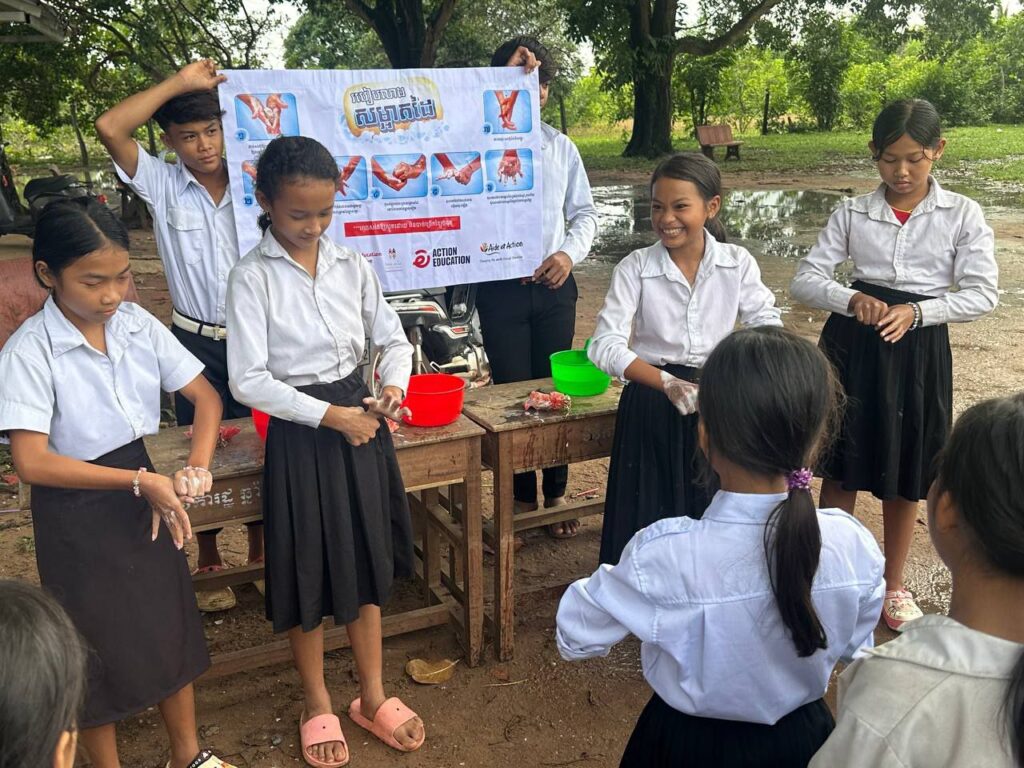
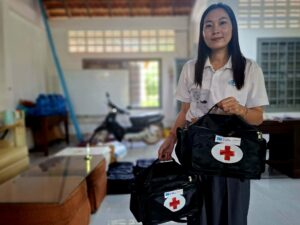
Photo: Srae Thmei Primary School
Embedding healthy behaviours from a young age helps children take control of their own health—and, in doing so, the future of their communities. They are not only recipients of knowledge—they are active ambassadors for change. As they wash away germs, they also wash in awareness, inspiring family members and neighbours to adopt safer hygiene practices.
This ripple effect—from school to village—is a powerful force.
It demonstrates that education lays the foundation for lifelong resilience and community well-being. When young people are empowered with the right tools, they not only change their own lives but help shape a better future for everyone.
Empowering the next generation is central to sustainable development. In partnership with local schools, education authorities, and global partners, Action Education / Aide et Action remains committed to supporting coastal children—guiding them towards a brighter, healthier horizon.
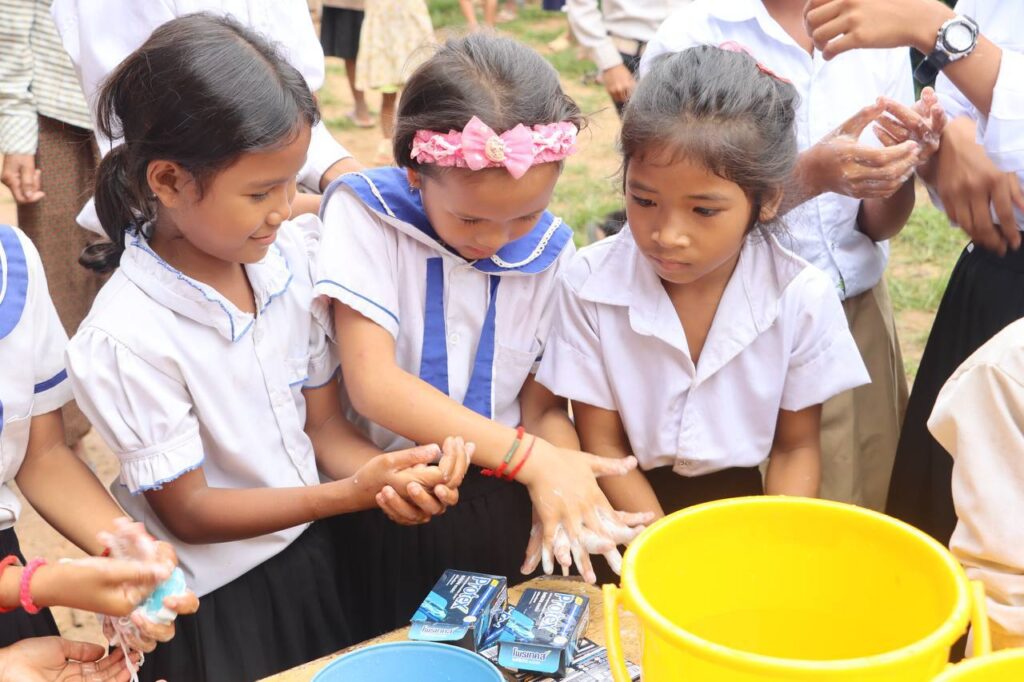
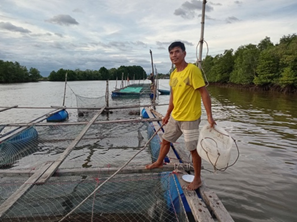
Photo: Kampong Sdarm Primary School
*Photos provided by schools