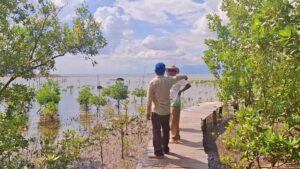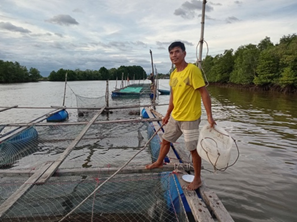

To deliver education in island communities, teachers must cross rivers, forests, and oceans. When we invest in them—like Li Ler—we’re not just improving early childhood education; we’re advancing equity and opportunity for all.
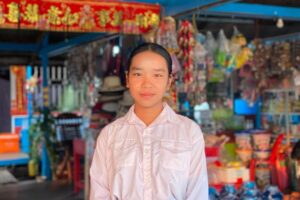
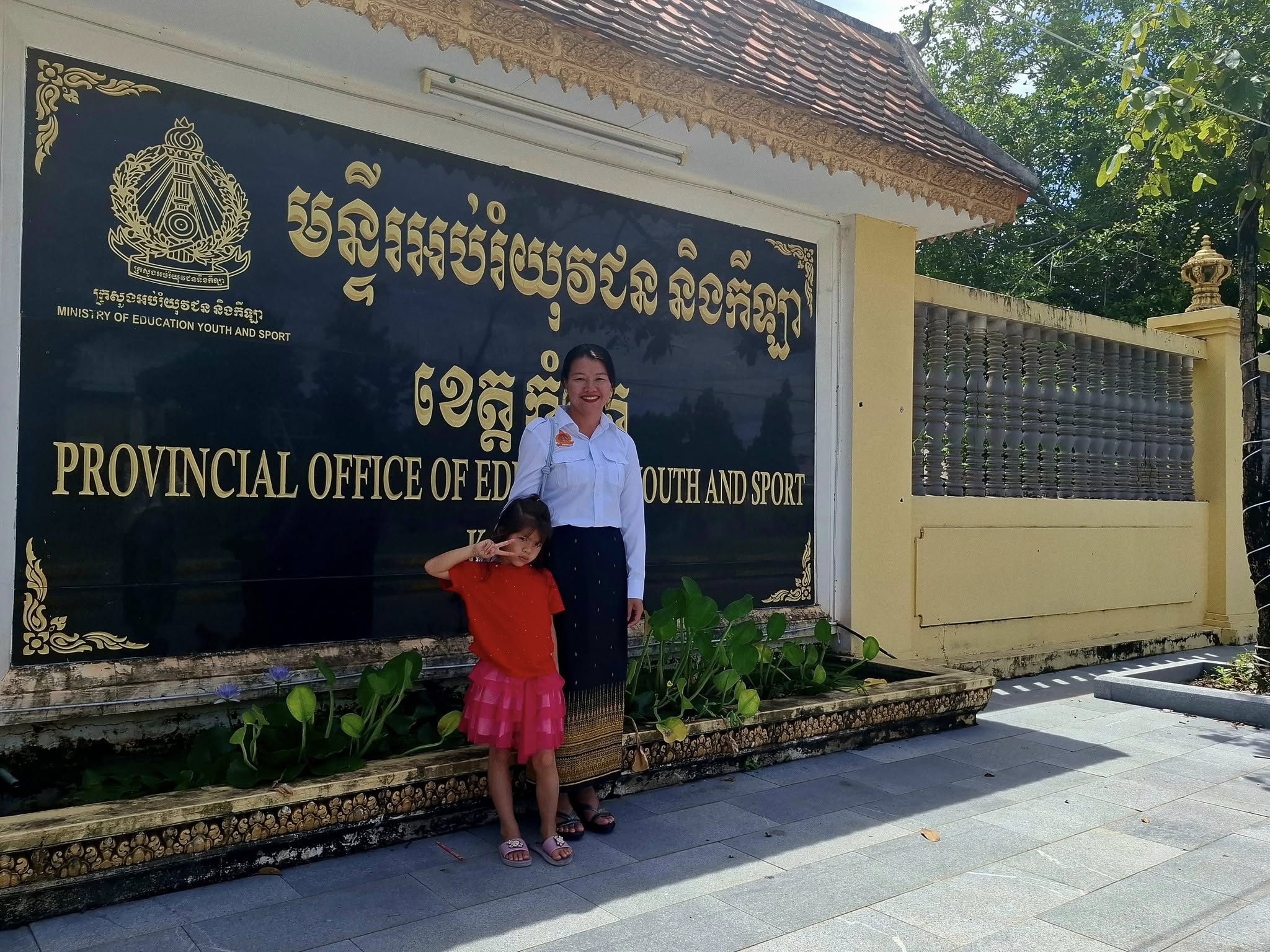
Li Ler is a community pre-school teacher at Pvek Svay, on Koh Kong island, nestled off Cambodia’s southern coast. At her school, there are 56 children—31 of them girls—in a setting where isolation makes even the most basic needs difficult to meet.
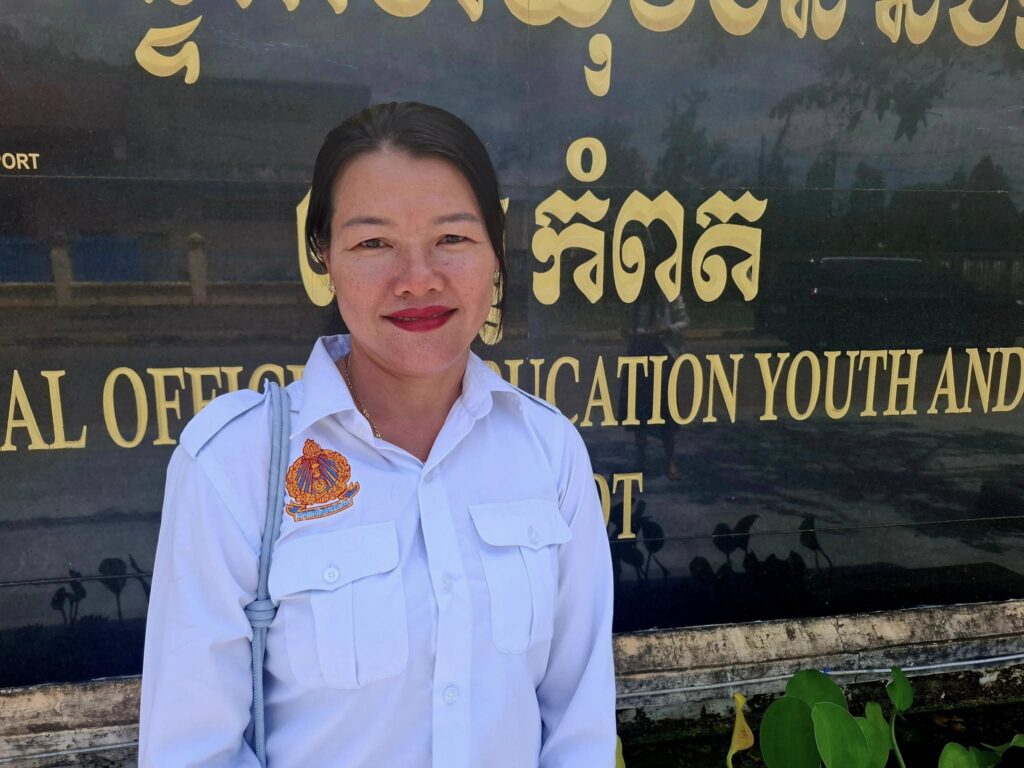
“The main challenge is getting teaching and learning materials,” she explains. “There’s no shop on the island that sells school supplies. To buy anything, I have to travel to the mainland. That means a tuk-tuk ride to the pier, a boat trip, another tuk-tuk to the shop—then all the way back. It costs at least $60. That’s a lot.”
Like many teachers in Cambodia’s island and remote communities, Li Ler doesn’t have a printer to produce learning games, or create classroom decorations. But it’s not just the lack of materials that makes her job difficult—it’s also getting her students to school.
“Some children live far away. There’s no road, no transport—and when it rains or storms, it’s too dangerous. So they stay home,” she says. Despite these challenges, her determination is unwavering. She has been a preschool teacher for just ten months—but her passion is clear.
“At first, I wasn’t sure I’d be good at this job. But now I see the children improving, and they built bonds with me. I know they can gain knowledge through school and become smart.” Li Ler’s story reflects the need for support to ensure that early childhood education reaches all corners of Cambodia, including its most remote communities.
Education That Reaches Every Shore
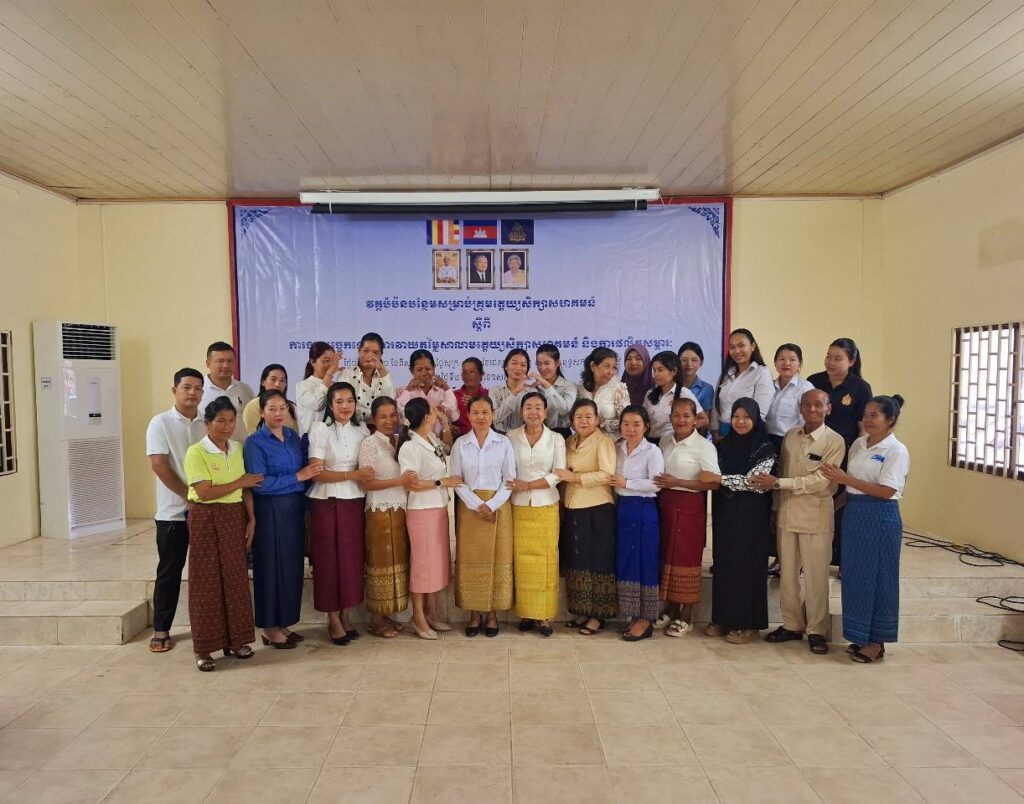
Today marks the end of a five-week training programme for community pre-school teachers like Li Ler—organised by the Department of Education, Youth and Sport (DoEYS) in Kampot and supported by Action Education / Aide et Action (AEA), through the EU co-funded CO-SAVED project. This training is designed to strengthen the skills, confidence, and creativity of teachers in coastal and island regions.
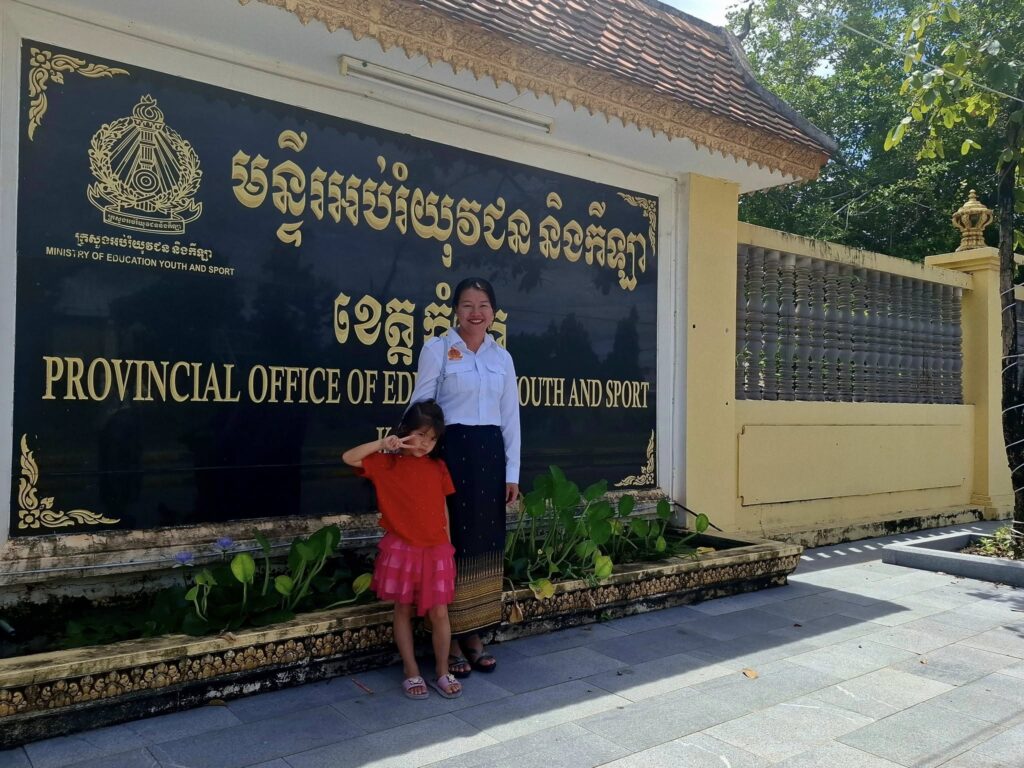
“If children don’t want to engage in learning activities, I’ve learned to teach them through play,” says Li Ler. “Through this type of training, I hope I can improve my teaching practice and gain more knowledge.” For this island teacher, this programme offers practical knowledge, peer support, and renewed energy to tackle deep-rooted challenges.
Because whether on the mainland or on a faraway island, every child deserves the chance to learn—in safety, dignity, and equality.