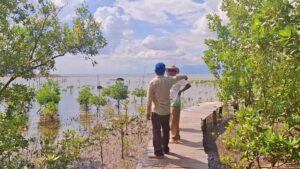


The Chroi Svay community is revitalizing local water ecosystems while also attracting environmentally conscious tourists. Through ecological restoration, they are welcoming nature lovers—and optimism—back to the community. This is a story of fish, hope, and clean waters.
Along Cambodia’s coastline, local communities are facing the effects of a global environmental crisis: once-thriving marine ecosystems are fading, and with them, the livelihoods of countless families who depend on the sea. Overfishing, climate change, and rapid tourism growth without proper safeguards are taking a heavy toll on waters that were once rich with biodiversity.
In Koh Kong, the Chroi Svay Fishery and Eco-Tourism Community has been actively working to reverse this trend, partnering with Action Education / Aide et Action (AEA). With the support of responsible eco-tourists and community-driven conservation, there’s real hope for a vibrant, sustainable future.
Co-Action: Regenerating Aquatic Ecosystems
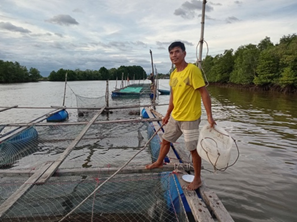
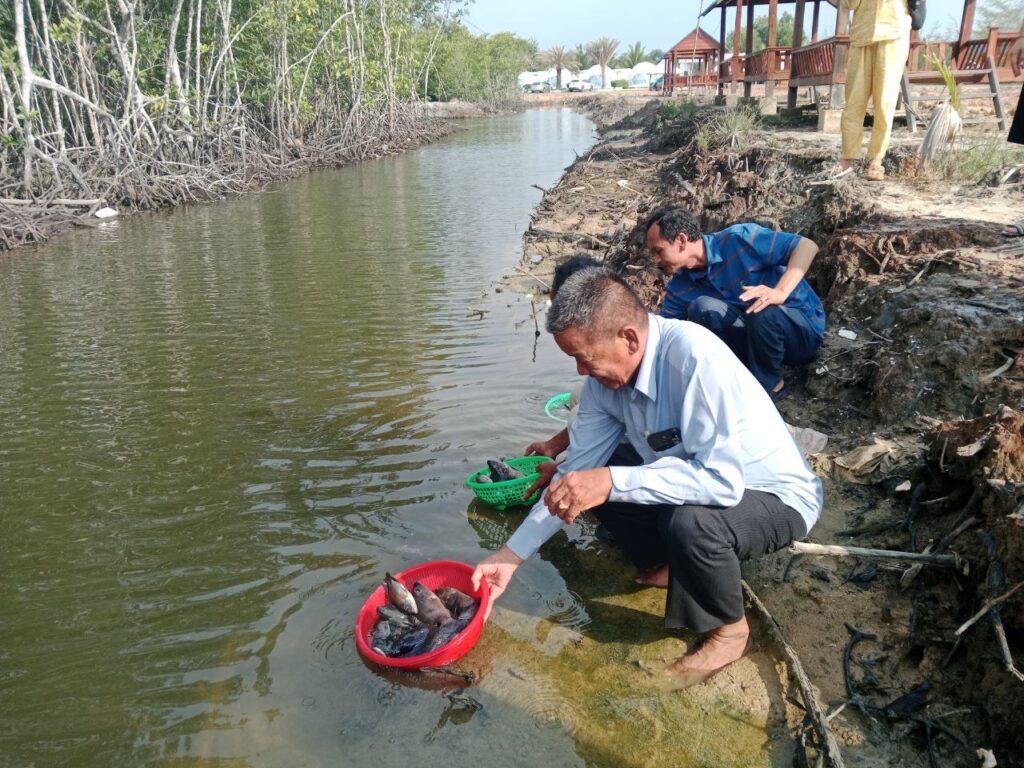
With determination and unity, the Chroi Svay community carried out an important activity to restore aquatic biodiversity on 17 May 2025. “We participated in releasing 29 kg of fish into the river in order to protect and preserve water resources and to attract tourists,” said Narit Khiev.
The liberation of fish is a powerful act of regeneration and hope. The community was not just replenishing fish stocks; by managing natural resources sustainably, they are restoring natural food chains, preserving native fish species, and ensuring the health of their environment.
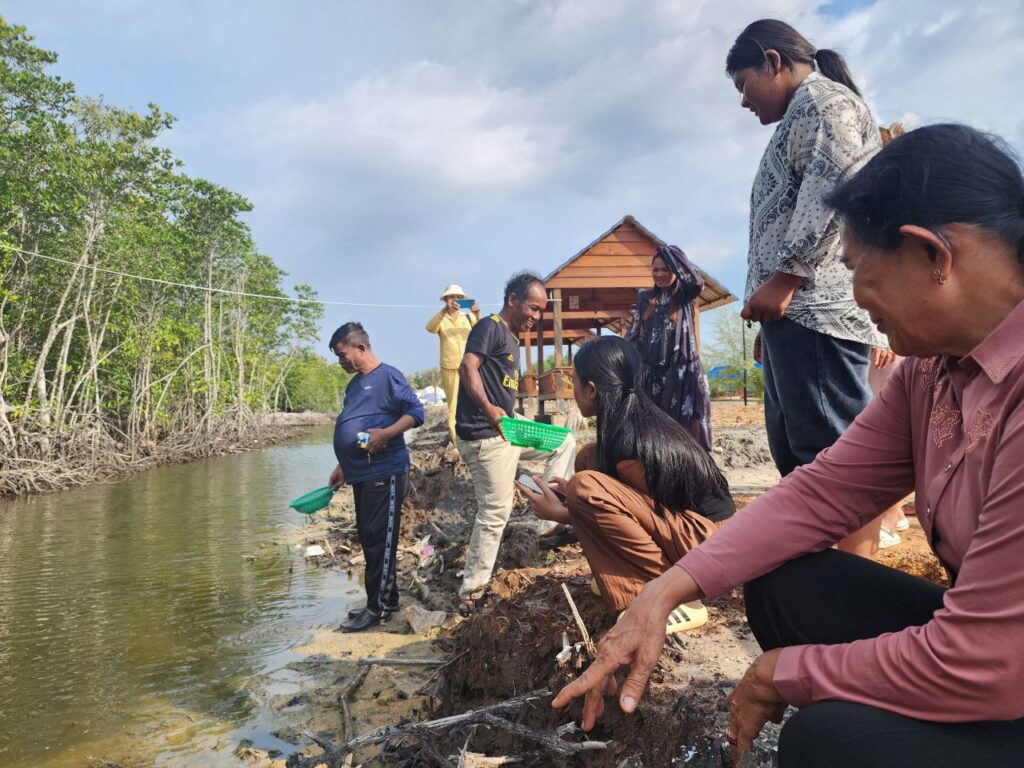
The initiative was part of a broader community effort involving 14 fish species, two of which were released that day. This release was made possible through the financial support of AEA under the European Union (EU)-co-funded CO-SAVED project—a compelling illustration of what can be achieved when local and global partners unite for environmental resilience.
Co-Impact: Reviving Nature, Empowering Communities
The community-led activity raised environmental awareness, giving them a strong sense of ownership over natural resources. Such engagement is crucial for their long-term protection. Healthy fish populations contribute to the broader ecosystem by improving water quality—benefiting agriculture, daily use, and the overall resilience of the community.
Increasing fish populations in a protected environment does more than restore biodiversity—it fuels eco-tourism and supports sustainable livelihoods. Eco-tourists, attracted to destinations that showcase conservation in action, contribute directly to local income. This, in turn, makes conservation a strong incentive for communities to maintain sustainable resource management practices.
Chroi Svay is demonstrating that local action, when empowered, can lead to long-term sustainable development—where nature and livelihoods thrive together.
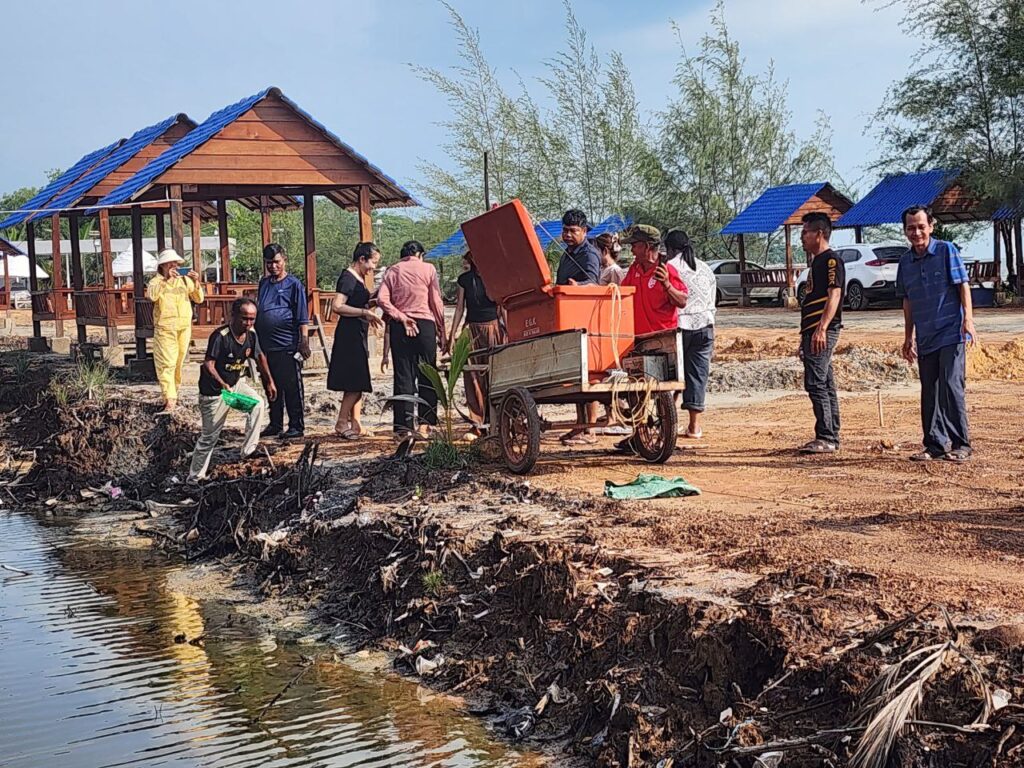
*Photos provided by Chroi Svay community